Brussels street-food sea snails — whelks or periwinkles — simmered in a peppery court-bouillon of celery, bay, and black pepper, served steaming hot in paper cones and eaten with a metal pin; a tradition tied to the opening of the Willebroeck canal in 1561 that linked Brussels to the North Sea.



Caricoles is the Brussels dialect name for sea snails — principally whelks (bulots) and common periwinkles. The dish's history is inseparable from the opening of the Willebroeck Canal in 1561: commissioned by Holy Roman Emperor Charles V and completed under the regency of Margaret of Parma, the canal connected Brussels inland to the Scheldt at Willebroek and thence to Antwerp's North Sea port, enabling regular shipments of shellfish into the capital for the first time. By the 17th and 18th centuries, caricoles vendors were a fixture at the Grand Place and around the Bourse square, selling hot spiced snails in paper cones from copper pots; patrons extracted the meat on the spot using metal pins (épingles). Belgian food historians and Brussels local chroniclers consistently cite caricoles as one of the defining expressions of working-class Brussels street food culture, alongside frites and waffles. Vending largely disappeared in the mid-20th century as urban street-food culture contracted; the tradition survives today in a handful of traditional Brussels brasseries and seasonal markets.
The snails arrive steaming in a paper cone; extract one with a pin and the coiled foot slips free — firm and slightly springy, tasting of the cold sea, with a peppery warmth from the celery-and-bay broth building behind it. Best eaten fast, before they cool.
Whelks and periwinkles are dominated by a muscular foot with high myosin content; myosin begins to denature at 50°C and firms rapidly at 65–70°C, producing a pleasant springiness. Prolonged boiling above 80°C triggers further protein cross-linking and moisture expulsion, yielding the classic rubbery overcooked shellfish texture. The aromatic court-bouillon — celery, bay, black pepper, onion — transfers volatile terpenes and phenolic compounds into the snail tissue through the shell's aperture via convection and osmotic diffusion during simmering. Fat in whelk tissue solidifies quickly on cooling, muting flavour; hot service is therefore essential.
Variations
Some vendors add thyme or summer savory to the court-bouillon for a more herbal note; cloves are occasionally included for warmth. Larger whelks (bulots) take 15–20 minutes versus 8–12 for periwinkles and yield a more pronounced sea flavour. A splash of vinegar in the broth, found in some older recipes, adds brightness.
On the Palate
Where Caricoles sits in the Belgian flavor cloud
Ingredients
Serves 4
How it's made
7 steps · 10 min
- 15 min
Rinse whelks or periwinkles thoroughly under cold running water, scrubbing the shells; discard any that are cracked or remain open when tapped.
- 25 min
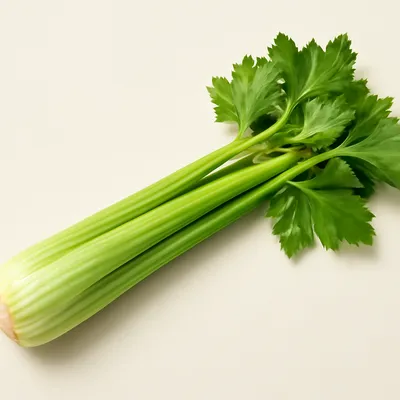
Combine water (2 litres), roughly sliced celery stalks and their leaves, a quartered onion, bay leaves, and a generous tablespoon of coarsely cracked black peppercorns in a large pot.
- 315 min
Bring the court-bouillon to a rolling boil; reduce to a simmer and cook for 15 minutes to extract the aromatics before adding the shellfish.
- 415 min
Add the snails to the simmering broth; return to a gentle boil. Cook periwinkles 8–12 minutes, whelks 15–20 minutes, until the meat can be extracted cleanly from the shell with a pin.
Watch outCook periwinkles 8 to 12 minutes, whelks 15 to 20 — pull them the moment the meat pins out cleanly; over-boiling turns the foot rubbery.
- 52 min
Test one snail for doneness: the meat should be firm and slightly springy, never rubbery. If too firm, they have overcooked; aim for just-cooked.
Watch outTest one — it should be firm with a slight spring, never rubbery; if it's already tough, they've gone past just-cooked.
- 63 min
Ladle the snails with a little hot broth into paper cones or shallow bowls to retain heat.
- 72 min
Serve immediately with metal pins for extracting the meat, and crusty bread on the side.
Archive tool suggestions — not reviewed
These legacy suggestions have not been evidence-reviewed and are not presented as required tools.



