An extraordinarily hard Belgian biscuit from Dinant, made with only two ingredients—equal weights of wheat flour and honey—pressed into intricately carved wooden molds and baked at 300°C until the honey caramelizes. It hardens to near-stone on cooling, preserves indefinitely, and is consumed by breaking and slowly dissolving rather than biting.

Couque de Dinant is reliably documented from the 18th century; a contested legend dates it to the 1466 siege of Dinant by Charles the Bold, when citizens supposedly fashioned the dough from the only flour and honey left and pressed it into the bronze molds of local copperware craftsmen—though historians treat this as folklore. Commercial sale grew through the late 18th and 19th centuries. In the 19th century, a Dinant pastry worker named Jean-François 'Rins' accidentally added sugar to the dough, creating the softer Couque de Rins variant. A folkloric troupe called the Mougneux d'Coûtches (Walloon for 'couque-eaters') appeared in 1978 alongside the revived Dinant giants, handing out pieces of couque; a dedicated gastronomic brotherhood to promote and protect the couque itself was only officially established in 2017, renamed the Confrérie de la Couque de Dinant in 2023. Traditional molds are carved from pear, walnut and beech wood, bearing motifs of Saint Nicholas, animals, flowers and landscapes.
Impossibly hard at first touch; break a fragment and place it on the tongue—it slowly dissolves into dense, caramelized honey sweetness with a warm grain backbone and a faint smoky finish.
Equal-weight flour and honey form a near-waterless dough. At 300°C, honey's fructose and glucose undergo rapid caramelization (from around 160°C) simultaneously with Maillard reactions between sugars and flour amino acids, generating deep color and complex aromatics. Near-complete evaporation of residual moisture means the caramelized sugars bond with dehydrated starch granules as the product cools, forming a glass-like crystalline matrix—the source of the biscuit's impenetrable hardness. The complete absence of fat, leavening, or free water prevents any tender crumb from forming.
Variations
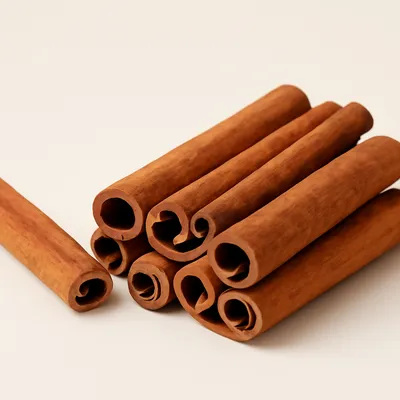
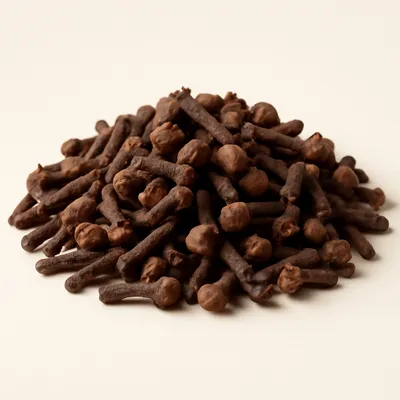
Couque de Rins: a 19th-century softer variant created when pastry maker Jean-François Rins accidentally added sugar, yielding a chewier bite. Spiced versions incorporate cinnamon, cloves, anise, and ginger. Mold subjects vary seasonally—Saint Nicholas and religious figures around the December feast, animals, florals, and landscapes throughout the year—with over 300 historic mold types preserved at the Walloon Museum of Life.
On the Palate
Where Couque de Dinant sits in the Belgian flavor cloud
Ingredients
Serves 24How it's made
7 steps · 30 min
- 15 min
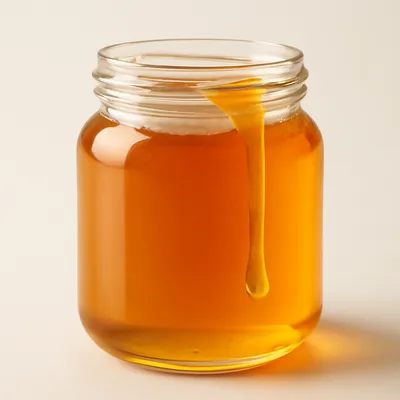
Weigh equal amounts of wheat flour and honey by weight and place both in a mixing bowl.
- 210 min
Mix with a sturdy wooden spoon or your hands until a very stiff, cohesive dough forms; add no water or leavening.
- 35 min
Roll the dough out on a lightly floured surface to approximately 5mm thickness.
- 45 min
Press portions of dough firmly into carved wooden molds (pear, walnut, or beech wood), ensuring every detail is fully filled with no air pockets.
Watch outPress the stiff honey dough hard into the carved mould, filling every groove with no air pockets — this biscuit is all about the crisp imprinted pattern, so pack it fully.
- 52 min
Unmold the pressed biscuits carefully onto a parchment-lined baking sheet.
- 615 min
Preheat the oven to 300°C; bake for 15 minutes until the honey caramelizes to a rich amber and the surface is fully set.
Watch outBake in a very hot oven just until the honey caramelises to deep amber and the surface sets — this is a rock-hard keeping biscuit, so it's colour and set you're after, not a soft crumb.
- 730 min
Remove from oven and cool completely on the baking sheet—they will harden to stone-like firmness as they cool. Store indefinitely in a dry place.
Archive tool suggestions — not reviewed
These legacy suggestions have not been evidence-reviewed and are not presented as required tools.


