The signature dal of Sikh gurudwara community kitchens — whole urad (black lentil) and chana dal slow-cooked in iron pots over wood fire with cumin, ginger, and salt alone, served free to all. Unlike restaurant-style Dal Makhani, it contains no cream or butter; its creaminess comes purely from hours of simmering and the traditional ghotna technique of continuous stirring that releases starch from the lentil walls.





The langar institution was founded by Guru Nanak, the first Sikh Guru, around 1500 CE at Kartarpur in Punjab, where he hosted shared meals alongside his religious discourses using his agricultural earnings to feed all visitors regardless of caste or faith. Guru Angad, the second Guru, systematized the community kitchen across all gurdwara premises; his wife Mata Khivi ran the langar with exceptional dedication and earned a rare distinction as the only woman praised by name in the Guru Granth Sahib. Guru Amar Das, the third Guru, made the shared communal meal compulsory for all visitors — even Emperor Akbar was required to sit in pangat (communal rows) alongside commoners before seeking audience. Dal has been a constant on the langar menu since these earliest days, referenced in the Var of Satta and Balvand in the Guru Granth Sahib. The specific preparation of Langarwali Dal — distinguished from restaurant-style Dal Makhani by the absence of cream and butter — became codified around the Golden Temple in Amritsar, giving rise to the alternate name Amritsari Dal.
Gentle and deeply earthy — the black lentil skins give a faint bitterness that dissolves into a creamy, starchy body; cumin and ginger the only counterpoints; salt the only seasoning. Comforting without richness, filling without weight.
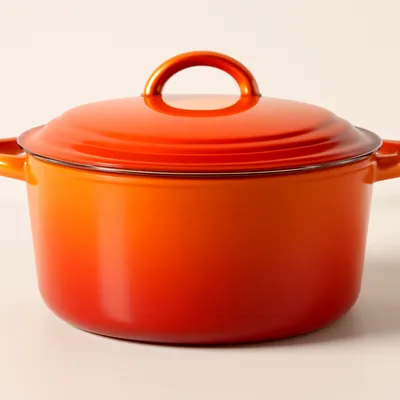
Whole urad dal contains abundant resistant starch and cell-wall polysaccharides requiring prolonged hydration and sustained heat to gelatinize: overnight soaking (8–12 hours) rehydrates the lentil cells, and a long simmer at 100°C (or pressure-cooker equivalent) ruptures cell walls and swells starch granules. The ghotna technique — continuous stirring and pressing with a ladle — physically disrupts lentil surfaces, releasing gelatinized starch into the cooking liquid to thicken it without any cream addition. Chana dal contributes glycoprotein-bound starch that gelatinizes faster, adding early body to the pot. The black urad skin contains tannins and anthocyanins, contributing the characteristically earthy, slightly bitter base note. Cooking in seasoned iron pots over wood fire introduces trace phenolic compounds and iron ions that subtly alter flavor — a key reason why gurudwara dal tastes distinctively different from home pressure-cooker versions.
Variations
Some households add a small portion of rajma (kidney beans) to the urad-chana base for extra body and protein. Adding a cream and butter finish transforms the dish into restaurant-style Dal Makhani. An Amritsari version is sometimes slightly spicier with the addition of green chilies and a sharper tadka. Village preparations cooked overnight on a clay chulha (wood-burning stove) develop deeper, smokier flavor from prolonged contact with wood smoke.
On the Palate
Where Langarwali Dal sits in the Indian flavor cloud
Ingredients
Serves 6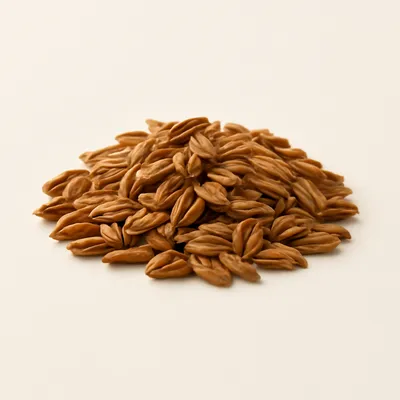


How it's made
7 steps · 1 hour active + 8 hours waiting
- 1480 min
Rinse whole urad dal and chana dal, then soak together in plenty of cold water for 8–12 hours (overnight); drain before cooking.
Watch outSoak the whole urad overnight, eight to twelve hours — skip it and the tough lentils never soften to the creamy body dal needs.
- 260 min
Combine soaked dals with 5 cups of fresh water, one crushed ginger piece, slit green chilies, a bay leaf, and salt in a heavy pot; bring to a boil, then cover and simmer on low heat for 50–60 minutes until completely soft, or pressure-cook for 25 minutes on low heat after the first whistle.
- 33 min
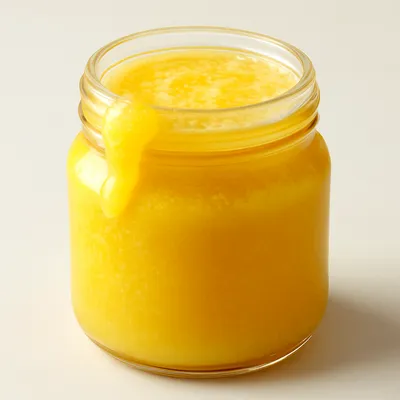
Meanwhile prepare the tadka: heat ghee in a small pan, add cumin seeds and fry until they splutter, then add minced garlic and ginger and fry until golden, about 2 minutes.
- 48 min
Add finely diced onion to the tadka pan and sauté over medium heat, stirring often, until deeply golden-brown, about 8 minutes; add a pinch of turmeric and cook one more minute.
- 52 min
Pour the hot tadka into the cooked dal and stir thoroughly; return the combined pot to medium heat.
- 615 min
Simmer uncovered for 10–15 minutes, stirring and pressing the dal regularly with the back of a ladle to release starch from the lentil walls and achieve a naturally creamy consistency without cream.
Watch outSimmer while pressing the dal against the pot with the ladle — this releases the starch that makes it creamy with no cream at all.
- 73 min
Taste and adjust salt; serve in communal bowls alongside roti or steamed rice, finished with no more than a thin drizzle of ghee — no cream, no garnish, in the langar spirit.
Archive tool suggestions — not reviewed
These legacy suggestions have not been evidence-reviewed and are not presented as required tools.