


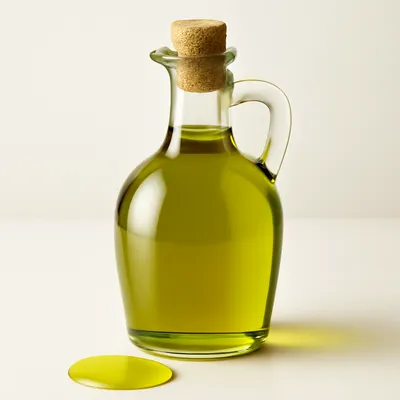


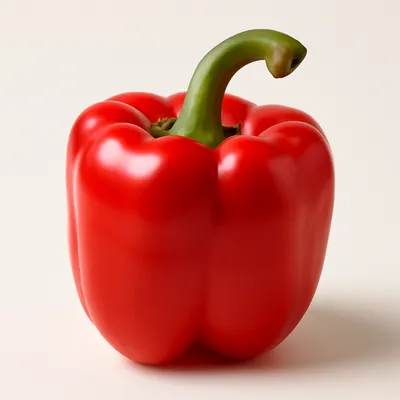
Migas began as a shepherd's and muleteer's dish across the Iberian peninsula — a way to eat hard stale bread on the road. The Castilian version is heavier, fried in pork lard with bacon and morcilla. The Andalusian version, especially around the Sierra de Aracena and Granada's Alpujarra, swaps lard for olive oil and adds the local pepper and grapes — the latter a stroke that nods to Andalusia's vineyard heritage. Traditionally a winter breakfast eaten before olive harvest work; now a weekend lunch dish.
Shepherd and muleteer food, originally a way to use stale bread on the road. Andalusian version swaps Castilian lard for olive oil and finishes with chilled grapes — the cold pop is what cuts 100ml of oil.
A shallow dish of golden-brown crumbs glistening with red chorizo oil, pepper-flecked, garlic-perfumed — and chilled grape halves rolling on top like a punctuation mark. Each spoon: hot crisp-tender bread, smoky cured pork, then suddenly the cold sweet pop of grape. Olive-oil-light, not greasy like the Castilian shepherd's version. A muleteer's-and-shepherd's breakfast scaled into a Sunday meal. Soggy migas mean bread that wasn't stale; greasy migas mean too much chorizo and not enough bread.
Two structural choices separate Andalusian migas from Castilian. One: olive oil instead of lard means lighter mouthfeel, and the chorizo's own rendered fat does the seasoning work. Two: the bread must be hydrated before frying, not after — adding water to dry bread already in the pan makes glue. Hydrate, rest, then fry. The grape garnish is more than decoration: cold sweet acidity is what cuts through 100ml of olive oil and 200g of cured pork.
Variations
Sierra de Aracena versions go heavy on chorizo and pancetta; Granada's Alpujarra adds dried red pepper and chestnuts; Almería's coastal cooks finish with sardines instead of grapes.
On the Palate
Where Migas Andaluzas sits in the Spanish flavor cloud
Ingredients
Serves 4


How it's made
6 steps · 30 min active + 30 min waiting
- 132 min
Cut 600g stale rustic bread (2-3 days old, crusts on) into 1cm cubes. Sprinkle with 100ml lightly salted water and toss. Cover with a damp cloth, rest 30 minutes — bread should be moist but not soggy.
Watch outFresh bread is wrong — it goes gummy. Bread needs to be 2-3 days old, dry-crumbed, before it's worth this dish.
- 24 min
Heat 100ml extra-virgin olive oil in a wide deep pan over medium-low. Add 8 unpeeled garlic cloves, smashed. Fry until golden and aromatic, 3 minutes. Remove and reserve — you'll add them back later.
Watch outGarlic gets bitter past mid-amber — pull it the moment it smells nutty.
- 37 min
Into the same oil, add 200g chorizo (semi-cured, sliced into half-moons) and 1 chopped red bell pepper. Cook 6-7 minutes — chorizo releases its red oil and the pepper softens.
Watch outUse Spanish chorizo, not Mexican — Mexican is raw and breaks down to a wet mush; Spanish stays in slices.
- 414 min
Add the moistened bread cubes. Stir with a wooden spoon, breaking pieces against the pan, for 12-15 minutes — every cube should toast in the chorizo oil and turn crisp-edged but still tender at the centre.
Watch outResist stirring constantly — let the bread sit 30 seconds at a time so it crusts. Migas should be crisp-tender, not uniformly soggy or uniformly dry.
- 51 min
Stir back the reserved garlic and 1 tsp sweet pimentón off the heat. Adjust salt — the chorizo carries most of it.
- 62 min
Plate in a wide shallow dish. Scatter 200g halved seedless red or green grapes over the top. Serve immediately — the cold grape against hot crisp bread is the dish's signature contrast.
Watch outDon't toss the grapes through the migas — they belong cold and on top, biting against the warm fat.
Archive tool suggestions — not reviewed
These legacy suggestions have not been evidence-reviewed and are not presented as required tools.


