
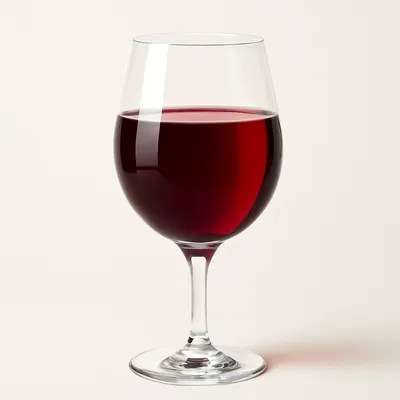
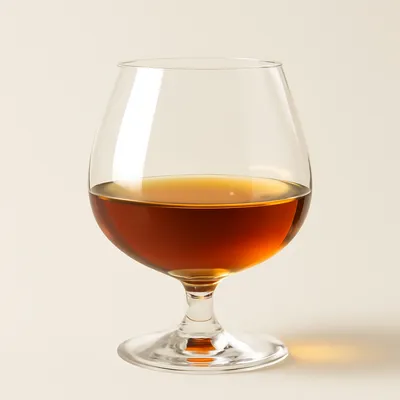
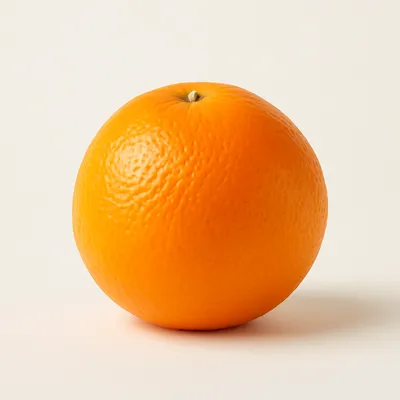


First recorded in English print in 1841 (the drink itself is older Andalusian/Iberian peasant fare); the name comes from sangre (blood) for the dark red color. EU 2014 regulation restricts the term Sangría to wines made in Spain or Portugal — anywhere else it must be labelled aromatised wine-based drink.
EU Regulation 251/2014 grants Sangría protected geographical status — only Spain and Portugal can label it so. Bartenders in Sevilla insist on Garnacha and a 1:4 brandy-to-wine ratio, soda added per glass not per pitcher.
Garnet liquid in a glass pitcher — chunks of orange and apple bobbing, ice rattling. Sweet front, wine tannin behind, the soda lifting it off the palate. Eat the booze-soaked fruit at the end with a spoon.
Macerate fruit in brandy 2+ hours so it surrenders sugar and absorbs alcohol; then dilute with cheap young red (Garnacha or Tempranillo) — never reserve wine. Soda goes in last so the lift survives. Sweetness should come from fruit, not syrup.
Variations
Andalusian zurra swaps brandy for peach liqueur and uses white wine. Catalan sangría de cava replaces still wine with sparkling. Madrid bars often add Cointreau and serve over crushed ice instead of cubes.
On the Palate
Where Sangria sits in the Spanish flavor cloud
Ingredients
Serves 6How it's made
4 steps · 7 min active + 4 hours 2 min waiting
- 15 min
Slice 2 oranges, 1 apple, 1 lemon into wedges; place in a large pitcher.
- 22 min
Add 750 ml red wine, 60 ml brandy, 60 g sugar; stir to dissolve.
- 3240 min
Refrigerate 4 hr to macerate fruit and develop flavor.
Watch outGive it the full chill so the fruit surrenders its juice and drinks up the brandy — that's where the depth comes from, not from sugar.
- 42 min
Top with 250 ml chilled soda water and ice just before serving.
Watch outAdd the soda and ice only at the last second so the fizz still lifts in the glass.


