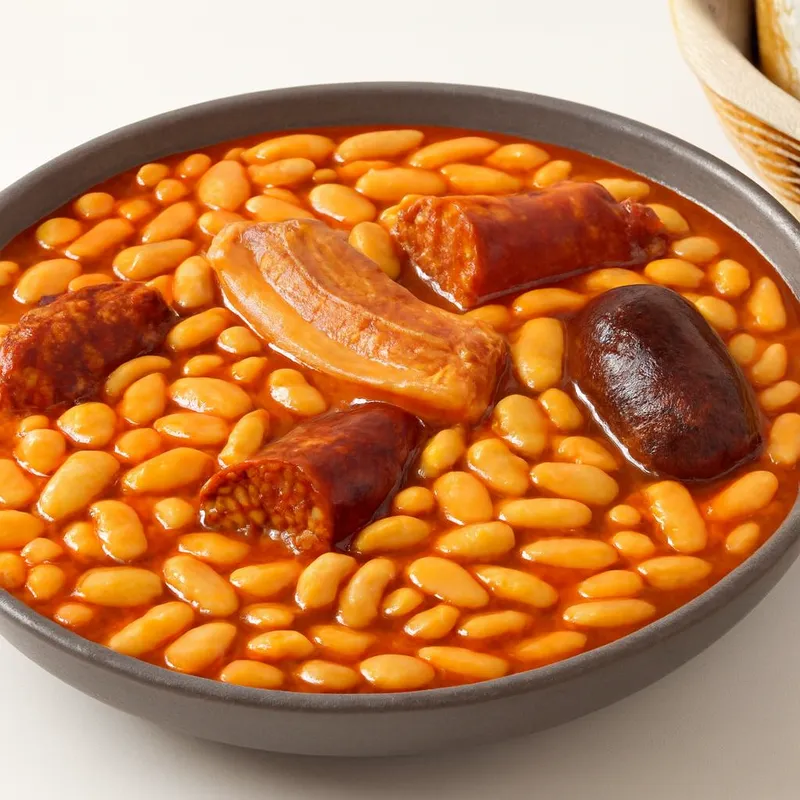
Callos a la Madrileña is the dish that more than any other defines Madrid taverna cooking — versions appear in 16th-century recipe collections under the name «callos», but the form with chorizo and morcilla took shape in the 19th century when industrial pimentón from La Vera became cheap and ubiquitous. Casa Lucio, Casa Labra, and Botín still serve it; it is by tradition a Saturday or Sunday midday plate, paired with a glass of Valdepeñas or Rioja.
Casa Lucio, Casa Labra, and Botín still serve it as a Saturday-Sunday midday plate. The 19th-century form crystallised when industrial pimentón from La Vera became cheap; the dish needs a 30-minute rest before serving so chorizo fat re-emulsifies into the sauce.
A dark brick-red stew where each spoonful brings tripe (springy, almost gelatinous), a slice of paprika-sweating chorizo, a coin of dense morcilla, and a chickpea or two. Eaten scalding from a clay bowl with bread to mop up. The chorizo's fat colours the sauce; the tripe carries it. A good callos is heavily reduced and clings; thin watery callos means under-cooked or under-rested.
Three things separate this from a plain tripe stew. First, the double-cook: tripe is simmered alone for hours, then re-simmered in the chorizo-pimentón sauce — mixing them from cold yields rubbery tripe. Second, pimentón must bloom in cool oil off heat, or the smoke aromatics flash off. Third, the dish needs a 30-minute rest (or overnight) before serving — chorizo fat is solid below ~30°C and only emulsifies into the broth after a long stand and a gentle reheat.
Variations
Asturian callos add chickpeas and ham; Andalusian callos a la cordobesa runs leaner with mint; Cantabria's callos picantes pushes the cayenne; Galician callos á feira swaps morcilla for unto and grelos.
On the Palate
Where Callos a la Madrileña sits in the Spanish flavor cloud
Ingredients
Serves 6








How it's made
6 steps · 1 hour active + 3 hours waiting
- 165 min
Scrub 1.5kg honeycomb beef tripe and 1 split veal trotter under cold running water. Soak in cold water with a splash of vinegar 1 hour, then drain. Cut tripe into 4cm squares.
Watch outSkip the vinegar soak and the dish will smell barnyard — the acid neutralises the volatiles.
- 2150 min
Place tripe and trotter in a large pot, cover with cold water, add 1 onion halved, 1 carrot, 1 bay leaf, 6 peppercorns. Bring to a boil, skim the grey foam, then drop to a bare simmer 2.5 hours until tripe is tender enough to chew but still has bite. Reserve 800ml of the cooking liquid.
- 312 min
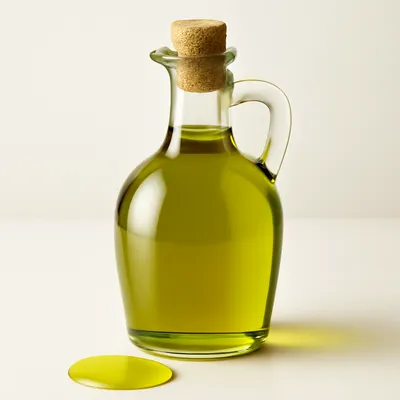
In a wide cazuela, heat 50ml olive oil over medium. Sweat 2 finely diced onions and 6 minced garlic cloves until soft and translucent, about 12 minutes — no colour.
- 45 min
Slide the cazuela off the heat. Stir in 2 tbsp pimentón de la Vera and 1 tsp hot pimentón. Stir 10 seconds. Add 200g sliced cured chorizo and 150g morcilla cut into thick rounds. Return to medium-low, brown 3 minutes — the fat runs red.
Watch outPimentón must hit cold-ish oil, off heat — at sausage-frying temperature it scorches in seconds.
- 545 min
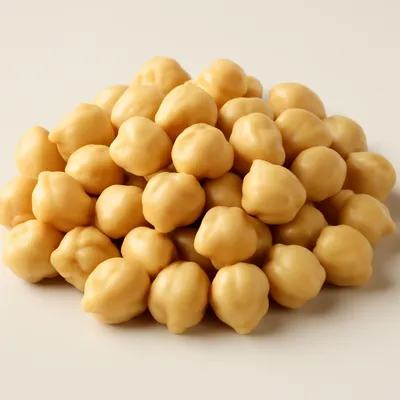
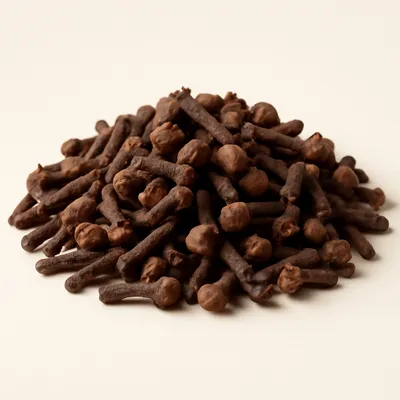
Add the cooked tripe and trotter, 400g cooked chickpeas (drained), 200g crushed tomato, and 800ml reserved cooking liquid. Tie 2 cloves and a bay leaf in cheesecloth and drop in. Simmer uncovered 45 minutes — sauce thickens to coat a spoon, takes on a dark brick colour.
- 635 min
Pull the cheesecloth bundle. Pull meat off the trotter and chop, return to pot. Salt to taste, simmer 5 more minutes. Rest 30 minutes off heat — flavour deepens. Reheat to serve in clay bowls; even better the next day.
Watch outEaten the same minute it finishes, callos taste flat — the rest welds the chorizo fat into the sauce.
Archive tool suggestions — not reviewed
These legacy suggestions have not been evidence-reviewed and are not presented as required tools.