
Arroz al Horno is the Monday dish of the Valencian interior — Aragonese-influenced inland villages where Sunday's cocido (chickpea-and-meat stew) leaves behind chickpeas, broth, and bits of pork. Cooks carried the leftovers to the village bread oven Monday morning to bake with rice while the bread baked, hence 'al horno' (at the oven). The clay cazuela holds heat differently from a metal paella pan, producing a deep crust on top rather than the bottom socarrat.
The Monday dish of the Valencian interior — Sunday's chickpea cocido leftovers carried to the village bread oven Monday morning, baked while the day's bread baked. Clay cazuela holds 220°C steady through the door-opening drop; metal pan won't.
Different texture entirely from a paella — the oven crust is harder, drier, almost roasted; rice splays open like a starburst rather than lying flat. The chickpeas have given up their starch into the broth, so the bottom rice is fudgier than top. Morcilla goes sweet-spice-iron, ribs fall off bone, the whole half-tomato in the middle is jammy and acidic, balancing all the fat. If your top isn't golden-crusted, the oven was too cool or you covered the dish.
Two things make this dish: the cazuela's thermal mass (which holds 220°C steady through the door-opening drop) and the chickpea broth (its starch lacquers the surface, then dehydrates into that signature cracked crust). Try the same recipe in a metal pan and you'll get something closer to paella. Try chicken stock alone and you'll lose the crust. The whole half-tomato isn't decoration — it weeps acid into the centre as it roasts.
Variations
Xàtiva version with whole garlic head and morcilla de cebolla; Castellón leans on patata-and-rib heavy; some Alcoi cooks add a hard-boiled egg in the centre alongside the half-tomato.
On the Palate
Where Arroz al Horno sits in the Spanish flavor cloud
Ingredients
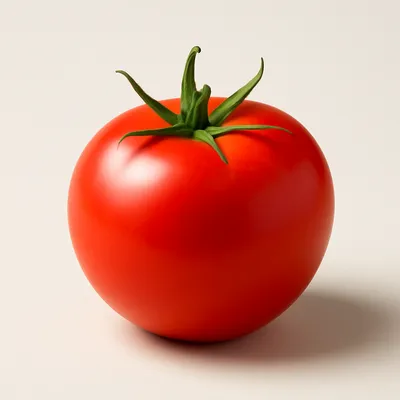
Serves 4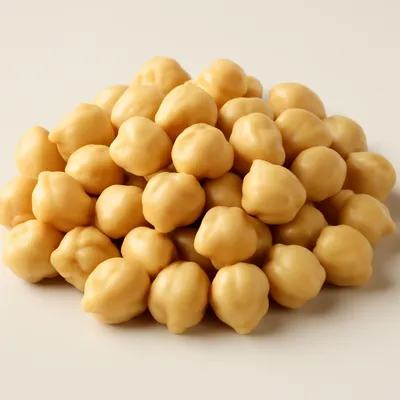






How it's made
6 steps · 30 min active + 45 min waiting
- 15 min
Preheat oven to 220°C. Soak 150g dried chickpeas overnight, then simmer 90 min until tender (or use 250g pre-cooked). Reserve cooking liquid.
Watch outIf you skip the soak, no amount of oven time will rescue them — they stay chalky.
- 212 min
In a 30cm earthenware cazuela on the stovetop, heat 60ml olive oil. Brown 400g pork ribs cut into 3cm pieces, 6 min, salt as you go. Push aside; brown 200g morcilla (Spanish blood sausage) and 150g chorizo slices 2 min — render the fat. Pull all meat onto a plate.
Watch outMorcilla bursts open if rolled too aggressively — flip once, briefly.
- 310 min
In the rendered fat, sauté 1 sliced potato (1cm rounds) 4 min, 4 garlic cloves whole and unpeeled 1 min, then 2 grated tomatoes 5 min until the paste darkens. Off heat, stir in 1 tsp pimentón dulce.
Watch outPimentón goes in off-heat — touching it to direct flame burns it bitter.
- 43 min
Stir in 320g Bomba or Senia rice for 1 min. Pour in 800ml hot chickpea liquid (or chicken stock). Return meats and chickpeas, scattering evenly. Slot in a whole, halved tomato in the centre — the visual signature.
- 520 min
Transfer cazuela to the 220°C oven. Bake 18-20 min uncovered. Liquid should evaporate, the surface crusts golden, the rice grains splay open.
Watch outDon't open the oven before 15 min — you'll release the steam that finishes the rice.
- 65 min
Rest 5 min. Serve directly from the cazuela. Each portion gets ribs, chickpeas, slices of morcilla, a wedge of potato.
Archive tool suggestions — not reviewed
These legacy suggestions have not been evidence-reviewed and are not presented as required tools.

A wide, shallow, two-handled steel pan, 30-50 cm across, made for one purpose: to cook paella over an open wood fire so every grain of rice gets direct contact with the metal. The wide-and-shallow profile means the rice layer is thin (1.5-2 cm), maximizing the bottom socarrat — the prized golden-brown crust. Carbon-steel pans must be dried thoroughly after washing or they rust within a day.

A round, shallow, glazed terracotta dish, 18-30 cm across with sloping walls, used for tableside-served Spanish tapas — gambas al ajillo, almejas a la marinera, callos, fideuà. Clay's slow heat retention keeps olive oil at the perfect 80-90°C garlic-confit zone for prawns without scorching, and the wide shallow profile lets liquids reduce while keeping protein lightly moored at the bottom.


