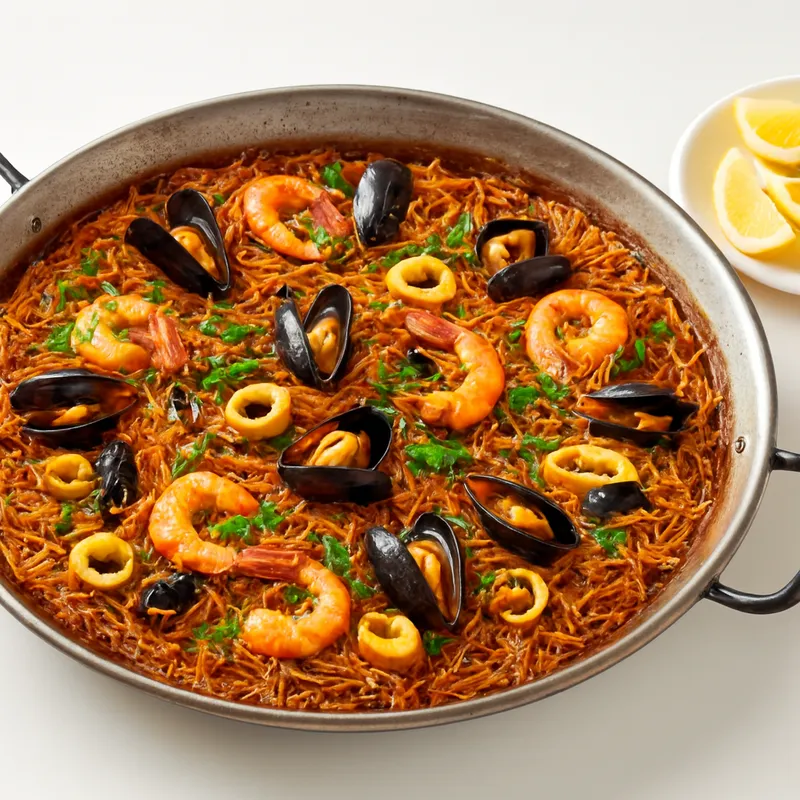
Suquet (literally little juice) is the Costa Brava and Empordà coast's fisherman's stew, made on board boats from the day's least-saleable catch — bone-in white fish, often whatever didn't fetch market price. Recipes are documented in 19th-century Catalan cookbooks, but the format predates them. Picada — the Catalan thickener using nuts, garlic, bread, herbs — is the technique that makes this dish unmistakably Catalan rather than generic Mediterranean; it descends from medieval Arab-influenced cuisine.
Costa Brava fisherman's stew built on board from the day's least-saleable catch. The picada — pounded almonds, garlic, bread, herbs — is the medieval Arab-influenced thickener that makes this Catalan rather than generic Mediterranean.
A terracotta cazuela of saffron-orange broth, glossy from the picada, with chunks of pearl-white monkfish that flake at a fork's nudge and waxy potato that soaks up the gravy. The picada gives a faintly almond-marzipan back-note that distinguishes a suquet from any Mediterranean fish soup. You spoon up broth, dip bread, work through the fish. A thin watery broth means the picada wasn't pounded enough; bitter notes mean the pimentón scorched.
Two thickeners do the heavy lifting: torn (not cut) potato releases starch into the broth, and the picada brings finely-ground almonds whose plant fats emulsify with broth into a sauce. Together they replace cream or roux. The order is non-negotiable: picada goes in last because high heat breaks the emulsion. Monkfish is chosen because its dense, lobster-like flesh holds up to 8 minutes of poaching where a flakier fish would shred.
Variations
Costa Brava uses monkfish and rascasse; Tarragona's version tilts toward conger eel; Empordà fishermen still cook it on the boat; restaurants like Can Roca's older Girona kitchen made a refined potato-monkfish version.
On the Palate
Where Suquet de Peix sits in the Spanish flavor cloud
Ingredients
Serves 4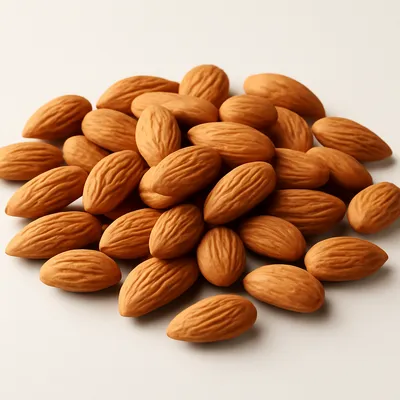







How it's made
6 steps · 50 min active + 10 min waiting
- 112 min
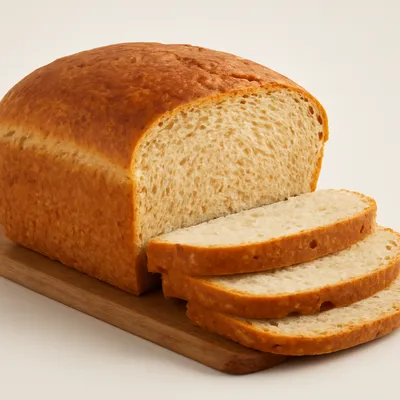
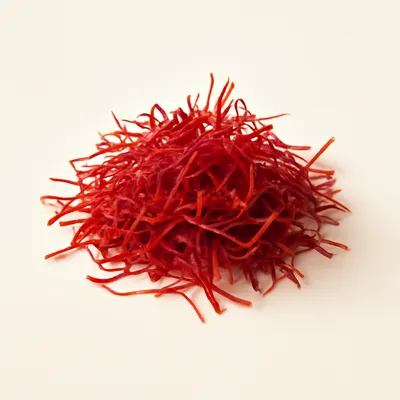
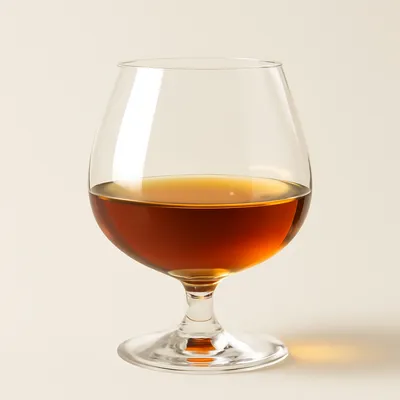
Make the picada: in a dry pan toast 30g blanched almonds and 1 small slice of country bread torn into pieces in 2 tbsp olive oil until golden. Pound in a mortar with 3 garlic cloves, a small handful flat-leaf parsley, a pinch saffron, 1 tbsp brandy and 2 tbsp fish stock to a thick paste. Set aside.
Watch outBloom the saffron in warm fish stock for 2 minutes before pounding — dry saffron pounded in stays gritty.
- 230 min
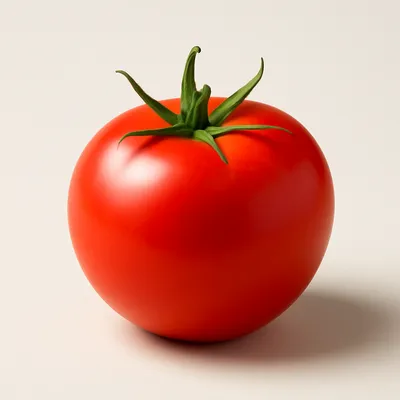
Build a sofregit: in a heavy cazuela slow-sweat 1 grated onion in 4 tbsp olive oil over low heat 20 min until amber jammy. Add 3 grated tomatoes (skin discarded), 1 tsp pimentón dolce off-heat. Return to low heat, cook 10 more minutes until sticky and dark.
Watch outPimentón goes in OFF-HEAT — drop it on hot oil and it scorches into bitter dust within seconds.
- 318 min
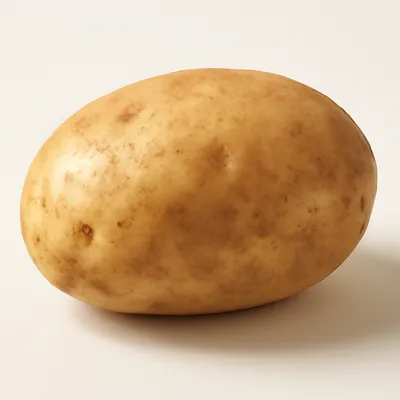
Add 600g floury potatoes peeled and chunked into 4cm pieces — break the last cut so potato fibres tear (this releases starch into broth). Stir to coat. Pour in 800ml fish stock to barely cover, season lightly. Simmer covered 15 minutes until potatoes are nearly tender.
Watch outTearing the potato instead of clean-cutting is the Catalan technique — the rough edges give up starch and naturally thicken the broth.
- 48 min
Lay 800g monkfish tail (rape) cut into 4cm steaks on top of the potatoes. The fish should sit half-submerged in broth. Spoon broth over once, cover, simmer 6-8 minutes until just opaque at the bone.
Watch outMonkfish goes from translucent to rubber in 90 seconds — pull when still slightly translucent at the spine.
- 54 min
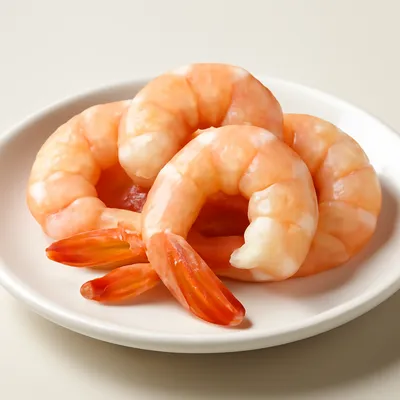
Stir in the picada. Tilt the cazuela so the broth pools at one side and stir gently — the bread/almond emulsion thickens it to a glossy gravy. Simmer 2 more minutes. Taste, adjust salt. Optional: add 8 fat prawns in the last minute.
Watch outDon't boil after the picada — almonds release starch that breaks at hard boil. Gentle simmer only.
- 65 min
Off heat, rest 5 minutes covered. Serve directly from the cazuela with crusty bread and an aïoli on the side if desired.
Archive tool suggestions — not reviewed
These legacy suggestions have not been evidence-reviewed and are not presented as required tools.
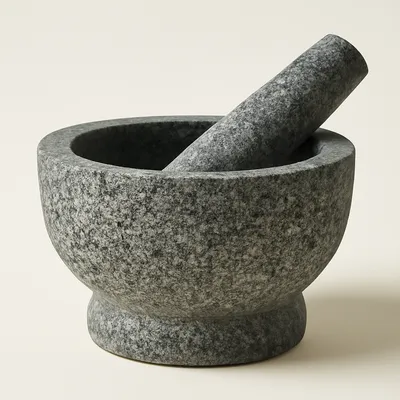
The simplest tool in any kitchen: a heavy bowl and a club to bash things in it. Different cuisines use different stones — Thai cooks pound green papaya in a tall granite mortar (krok hin); pesto Genovese requires the soft-pored Carrara marble; Indian masalas grind down on rough basalt. The bash-don't-cut motion releases volatile oils that a blade keeps sealed in the cell wall.

A round, shallow, glazed terracotta dish, 18-30 cm across with sloping walls, used for tableside-served Spanish tapas — gambas al ajillo, almejas a la marinera, callos, fideuà. Clay's slow heat retention keeps olive oil at the perfect 80-90°C garlic-confit zone for prawns without scorching, and the wide shallow profile lets liquids reduce while keeping protein lightly moored at the bottom.