
Sheep-milk cheese from Casar de Cáceres (raw milk from Merino and Entrefina sheep), coagulated with wild cardoon-thistle rennet — soft enough at room temperature to scoop with a spoon through a cut-open lid.


Torta del Casar comes from Casar de Cáceres in northern Extremadura, where Merino sheep have grazed since at least the medieval Mesta livestock guild. What makes it unique is the use of cardoon-flower rennet — a vegetable coagulant from Cynara cardunculus — instead of animal rennet. This was originally a Moorish-era practice (animal rennet was avoided in Muslim Iberia) that survived in Extremadura long after the Reconquista. DOP-protected since 1999.
Casar de Cáceres Merino-sheep cheese coagulated with cardoon-flower rennet (Cynara cardunculus) — a Moorish-era practice that survived in Extremadura post-Reconquista. Cardosin protease cuts kappa-casein differently than animal chymosin, which is why the paste turns runny and the bitterness is structural. DOP since 1999.
You scoop the paste like warm custard — pale yellow, almost runny at the centre, thicker at the rind. The flavour is intensely sheep: lanolin, pasture grass, a faint sweetness from raw milk. Then the cardoon kicks in — a clean herbal bitterness that distinguishes Torta del Casar from any animal-rennet cheese. On bread it spreads; with jamón it doubles down on funk. If it's chalky in the middle, you cut it too cold.
Cardoon rennet contains cardosin — a plant aspartic protease that cuts kappa-casein at a slightly different bond than chymosin (animal rennet). The result is more proteolysis during ripening, which is why the paste turns runny rather than firm and why the bitterness is structural, not a defect. The same cardoon tradition produces Portugal's Serpa and Serra da Estrela cheeses across the border. Pasteurized milk would deactivate the protease enough to ruin the texture; DOP rules require raw sheep milk.
Variations
Torta del Casar DOP (Cáceres); Torta de la Serena DOP from Badajoz uses the same cardoon technique on different pasture; Portuguese Serpa and Serra da Estrela cross the border with the same plant rennet; pasteurized imitations exist but break the texture.
On the Palate
Where Torta del Casar sits in the Spanish flavor cloud
This is a serving-temperature dish, not a cooking one: the whole point is bringing the raw-milk paste up to 18-20 degrees so the cardosin-softened interior slumps and runs when you lift the rind lid.
Ingredients
Serves 4How it's made
4 steps · 10 min active + 40 min waiting
- 135 min
Buy a whole Torta del Casar DOP (250-500g) the day you'll eat it; never freeze it. Take it out of the fridge 30-45 minutes before serving — the interior must come up to 18-20°C or the paste won't run.
Watch outGive it 30-45 minutes out of the fridge and press the top gently — when the center yields softly, it's ready to open.
- 210 min
Optional warm method: preheat oven to 60°C. Wrap the torta loosely in foil with the rind on, set on a small tray, warm for 8-10 minutes. The paste loosens further; the rind stays intact.
- 32 min
Place the torta on a wooden board. With a sharp paring knife, score around the top rind 5mm in from the edge, then lift the disc of rind off as a lid. The exposed paste should slump slightly toward the centre.
Watch outScore just inside the top rind and lift it off as one disc; the exposed paste should sag slightly toward the middle.
- 43 min
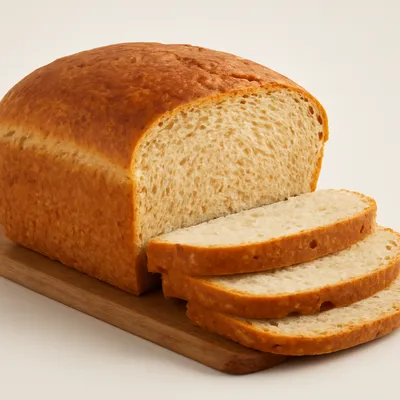
Slice 200g rustic country bread or picos (small breadsticks) and arrange around the torta. Optional: a few slices of jamón ibérico, a handful of walnuts, a small bowl of quince paste. Hand each diner a small spoon — the eating tool is non-negotiable.
Archive tool suggestions — not reviewed
These legacy suggestions have not been evidence-reviewed and are not presented as required tools.


