Cantabrian anchovies salt-cured for six months then hand-filleted from the brine and packed in olive oil — eaten on country bread as a pintxo.




Cantabrian salt-curing dates to mid-to-late-19th-century Italian salters (Genoese houses, plus the Sicilian Giovanni Vella Scatagliota) who settled in Santoña, on the Basque-Cantabrian coast, after a crisis in Italy's own fisheries pushed merchants to source raw fish abroad. They taught local families their salazón method, and by 1900 Santoña had become the global capital of premium anchovy curing. Castro-Urdiales, Laredo, and Bermeo followed. The Basque name is antxoa; the Spanish is anchoa — both reach into Italy, Catalonia, and the rest of Cantabria but the centre remains the Bay of Biscay.
Cantabrian salt-cure brought by 19th-century Genoese salters who settled in Santoña after Italian unification. Six-month cure drops water activity below 0.85; gut enzymes break muscle protein into glutamates and inosinates — same compounds as aged cheese.
A burgundy-mahogany strip of fish, satin-textured, slumping into the toast under its own weight. The taste is deep — six months of cure converts harsh raw fish into something between aged cheese and cured ham, salty but rounded, with a trailing sweetness. The bread soaks up the anchovy oil; the optional tomato adds bright acid. A real Cantabrian antxoa eats nothing like a thin yellow Mediterranean anchovy from a supermarket — it should be thick, dark, and yielding.
The six-month cure does two things modern quick-cures cannot. First, it dehydrates the fish enough that water activity drops below 0.85 — bacterial spoilage stops, but enzymes from the fish's own gut keep working. Second, those enzymes break muscle proteins into glutamates and inosinates, the same compounds that make aged cheese and cured ham deep. Hand-filleting from brine — never machine-filleted — is the other Cantabrian premium marker; machines tear the soft cured flesh.
Variations
Santoña is the global capital — Conservas Codesa and Don Bocarte are the premium houses; Castro-Urdiales runs second; Laredo and Bermeo also salt; machine-filleted versions are downgrade markers.
On the Palate
Where Antxoas en Salazón sits in the Spanish flavor cloud
Ingredients
Serves 4How it's made
6 steps · 15 min
- 12 min
Buy a tin or jar of salt-cured Cantabrian anchovies in olive oil — best are Castro-Urdiales, Santoña or Laredo from spring catch (April-June). 12 fillets for 4 people.
Watch outReject any that smell ammoniac — properly cured antxoas smell of brine and butter, never sharp.
- 23 min
Open the tin upright; let oil drain back into it. Lift each fillet out flat with a fork; lay on kitchen paper in a single row. Press very gently — leave a thin film of oil on the fish.
Watch outIf you must rinse, do it in olive oil, never water — water washes out cure flavour and shortens shelf life.
- 33 min
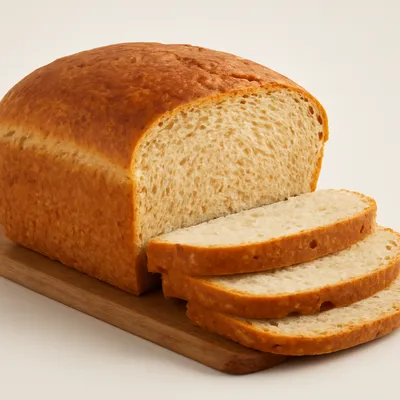
Cut 8 thin slices of country bread (rustic crust, open crumb). Toast lightly — golden but still flexible, not crisp.
- 43 min
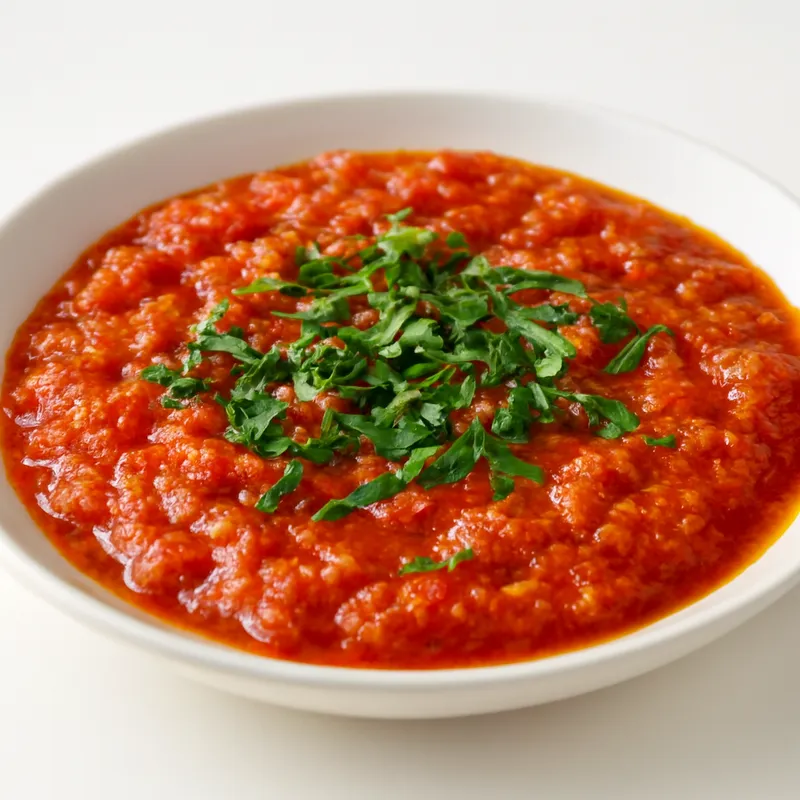
Optional Basque variation: rub each toast with a halved garlic clove, then a halved ripe tomato — squeezing the pulp into the bread. This is the Catalan pa amb tomàquet move adopted by Basque pintxo bars.
- 53 min
Lay 1-2 anchovy fillets on each toast in a curve. Drape a roasted-and-peeled red pepper strip alongside if you want the Basque house style. Drizzle 1 tsp anchovy oil over.
- 61 min
Crack pepper. Serve immediately — toast goes soft within 3 minutes. Pair with txakoli or a chilled fino sherry.
Archive tool suggestions — not reviewed
These legacy suggestions have not been evidence-reviewed and are not presented as required tools.