



Bolo do Caco is named for the basalt stone slab (caco means a shard of broken tile/pottery) on which it's traditionally baked; tradition holds it originated on the neighbouring island of Porto Santo as a way to use up leftover dough. Madeira's volcanic terrain produces sweet potatoes that lighten the bread; the cooked flatbread is split horizontally and slathered with garlic-parsley butter. Every restaurant in Funchal serves it as bread service; a sandwich filled with espetada (Madeira beef skewers) is a typical lunch.
A Madeiran sweet-potato flatbread cooked on a hot basalt slab — crusty exterior, dense moist interior. Eaten with garlic butter while still hot.
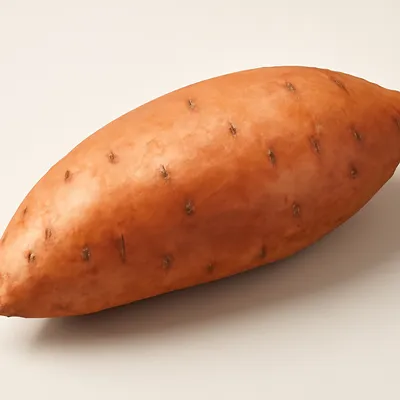
Bolo do caco is cooked on basalt — the volcanic stone reaches 250°C and conducts heat evenly. Sweet potato adds sugars and moisture; on the very hot basalt the dough browns via the Maillard reaction into a thin crisp crust, while the crumb stays soft and pale (Madeiran sweet potato is typically white-fleshed, so the crumb is cream-colored, not orange).
Variations
Madeira bolo do caco uses sweet potato; Azorean version uses regular potato; Cape Verdean variant adds coconut — three island flatbreads.
On the Palate
Where Bolo do Caco sits in the Portuguese flavor cloud
Ingredients



How it's made
6 steps · 1 hour 30 min
- 18 min
Boil 200g sweet potato until tender; peel and mash. Cool to room temperature.
- 210 min
Dissolve 7g active dry yeast in 200ml warm water with 1 tsp sugar. Bloom 10 min.
- 360 min
Mix 500g wheat flour, 1 tsp salt, the mashed sweet potato, and the yeast water into a soft dough. Knead 8 minutes. Rise 1 hour until doubled.
Watch outThe dough is ready when it's soft, smooth and springs back slowly; a poke should leave a dent that eases halfway out.
- 430 min
Divide into 6 balls. Flatten each into a 1.5cm-thick disc. Rest 20 minutes covered.
- 510 min
Heat a flat cast-iron pan or plancha (no oil) over medium heat. Cook each disc 4-5 minutes per side, pressing down to char in spots.
Watch outPress and look for dark blister-spots on the underside while the disc puffs slightly; that char is the flavor.
- 615 min
Split each flatbread horizontally with a knife. Spread generously with butter mashed with 4 garlic cloves and 2 tbsp chopped parsley. Eat warm.
Watch outSplit and slather while piping hot so the garlic butter melts straight into the open crumb.
Archive tool suggestions — not reviewed
These legacy suggestions have not been evidence-reviewed and are not presented as required tools.
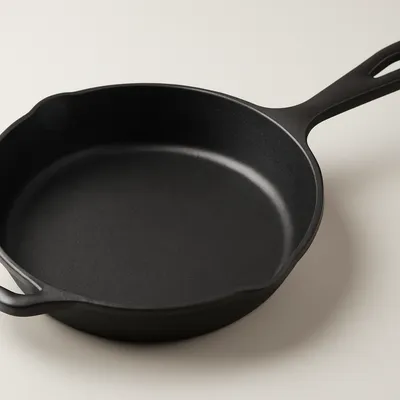
A heavy, single-piece cast iron pan, 25-30 cm across, weighing 1.5-2.5 kg. Once preheated, the thick mass holds 230°C+ even when a cold steak hits the surface — that's the secret to a deep crust. A well-seasoned skillet (multiple thin layers of polymerized oil baked into the iron) is essentially nonstick, gets better with use, and lasts a century. Lodge skillets from Tennessee have been in continuous production since 1896.

A heavy flat griddle, often 40-60 cm across, made from cast iron or chrome-plated steel, used in Spanish (and southern French) cooking for fast searing of seafood, meats, and vegetables. The dense metal holds 250-280°C steady; food is laid directly on the surface (no oil) and gets a deep crust without overcooking. Restaurant planchas are gas-or-electric flat-tops; the home version sits across two stovetop burners.