
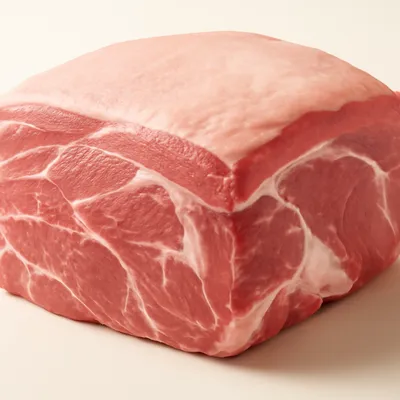
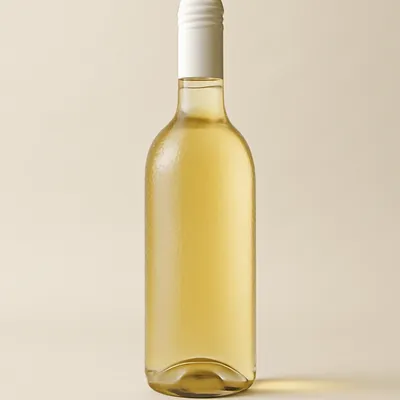
Rojões (literally 'morsels' in Portuguese) are the signature dish of northern Minho. Pork shoulder is cut into chunks, marinated overnight in vinho verde, garlic, paprika, and bay, then slow-fried in lard until the outside crisps and the inside stays juicy. Served traditionally with roasted potatoes, sautéed chestnuts (in autumn), and a glass of vinho verde — sometimes the cooking lard is poured over rice and called arroz de sarrabulho.
Pork cubes marinated in wine and pimentão, then pan-fried with their own fat — the surface caramelizes, the inside stays juicy. Minho specialty, eaten with sweet potatoes and roasted chestnuts.
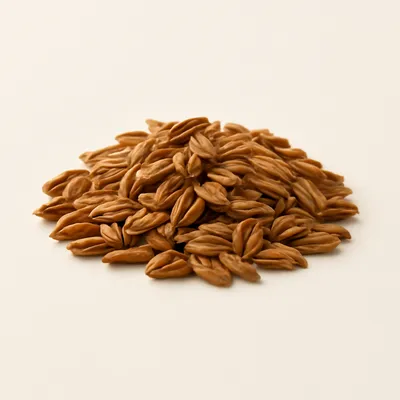
The marinade's flavor comes from massa de pimentão — not a smoked paprika at all, but a Portuguese paste of red peppers crushed with salt and matured (fermented), which colors the meat and adds a mellow, slightly sweet depth. The two-day marinade lets the paprika oils penetrate deeper than a shorter marinade would.
Variations
Minho rojões use pork shoulder; Beira version uses pork loin; Algarve version uses pork belly — three pork cuts.
On the Palate
Where Rojões à Minhota sits in the Portuguese flavor cloud
Ingredients









How it's made
6 steps · 1 hour 30 min
- 182 min
Cube 1 kg pork shoulder into 3cm pieces. Marinate overnight in 200ml white wine, 6 minced garlic cloves, 1 tbsp paprika, 1 bay leaf, salt, black pepper.
- 21 min
Drain pork, reserving marinade. Pat pork dry — this is critical for browning.
Watch outPat the drained pork bone-dry before it hits the pan — surface wine and moisture steam instead of sear, and wet meat will never take on that deep golden crust.
- 31 min
Heat 4 tbsp lard in a heavy pan over medium-high. Brown pork in batches, 6-8 minutes per batch, until deeply golden.
Watch outBrown in batches without crowding until each piece is deeply golden — pile the pan and the meat drops the heat, stews in its own juice, and stays grey.
- 43 min
Return all pork to the pan, add reserved marinade, cover and simmer 25 minutes until tender.
Watch outOnce the marinade goes back in, keep it at a low, lazy simmer — a hard boil toughens the pork before it ever gets a chance to turn tender.
- 54 min
Meanwhile, roast cubed potatoes at 200°C in olive oil 30 minutes. Optionally sauté peeled chestnuts in a little of the cooking lard.
- 61 min
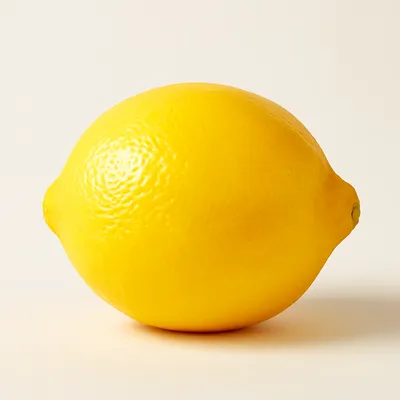
Plate pork in the center with potatoes around. Garnish with parsley and a squeeze of lemon.
Archive tool suggestions — not reviewed
These legacy suggestions have not been evidence-reviewed and are not presented as required tools.


