
The Eastern Plains' centerpiece — a whole young calf butterflied onto wooden spits and slow-roasted over an open wood-coal fire for 5 hours, served by hand with yuca, plantain, and beer.





Mamona (also called 'ternera a la llanera') is the Eastern-Plains cowboy ritual of Colombia and Venezuela's Orinoco basin — the cattle-ranching grasslands where vast herds graze and llaneros cook outdoors over wood fires. A young calf (8-10 months) is butchered, butterflied onto criss-cross wooden spits called 'asadores' or 'estacas', and roasted over a slow mesquite fire 5-6 hours seasoning with salt alone and tending a low, untended coal fire (some cooks marinate the meat the day before in salt and beer). The dish is the centerpiece of every llanos festival, every cattle-roundup feast, and every Meta-or-Casanare wedding. Modern Bogotá llanera restaurants have built brick-encased asador systems to replicate the technique for urban audiences.
Tear a piece of mamona with your hands — the exterior is mahogany-crisp from the panela glaze, the interior is rosy and tender from 5 hours of slow radiant cooking. The fat has rendered into the meat fibers; salt and lime cut through the richness. Yuca absorbs the dripping juices on the board. Wash down with a Costeñita beer. This is plains-Colombian feast food, plain and proud.
Vertical-spit / radiant-heat cooking is fundamentally different from grilling: heat reaches the meat from the side (parallel to muscle fibers, not perpendicular), penetrating slowly and evenly. The 5-hour cook time at 120°C ambient converts collagen to gelatin without drying the muscle proteins. The mahogany crust forms purely from the meat's own surface proteins and rendered fat undergoing Maillard browning over the long, low cook; the key is holding a low, steady coal fire that never flares up, since a sudden flame scorches the surface and turns it bitter.
Variations
Traditional whole-calf version requires special licensing and a 12+ person event; home adaptations use brisket-and-rib portions; modern Bogotá llanera restaurants use propane-heated brick asadores to maintain temperature; some recipes skip the panela baste in favor of dry-rub only — purists insist on the wet glaze.
On the Palate
Where Mamona Llanera sits in the Colombian flavor cloud
Keep a low, steady coal fire around 120°C and let radiant side-heat do the work over hours — a sudden flare scorches the surface bitter and ruins the mahogany crust.
Ingredients
Serves 12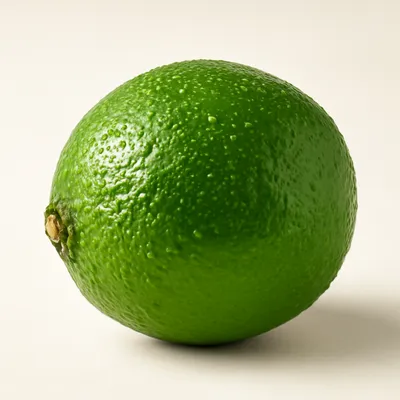


How it's made
5 steps · 1 hour active + 5 hours waiting
- 1245 min
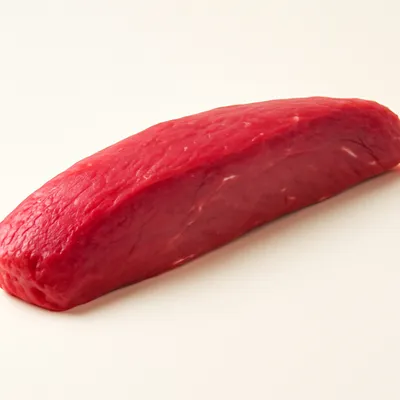
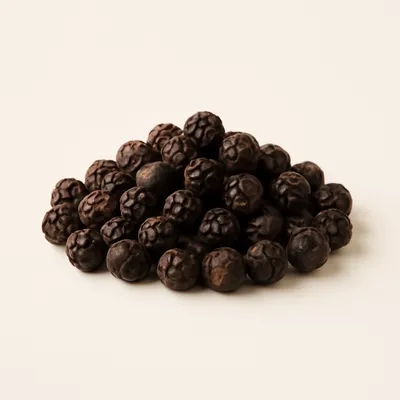
(Home adaptation — replacing whole calf with cuts.) Use 3kg veal or young beef brisket + 2kg veal short ribs + 1kg veal tenderloin. Score the fat caps; rub all cuts with 6 tbsp salt, 4 tbsp ground pepper, 12 minced garlic cloves, 4 tbsp coarse sugar, juice of 4 limes. Refrigerate uncovered 4 hours.
- 230 min
Build a wood fire (mesquite or oak) in a covered grill or smoker; let it burn down to glowing coals (about 250°F / 120°C ambient). Skewer each cut on a long wooden spit (or thick metal skewer) and stand them upright over the coals — the meat cooks via radiant heat from the side, not from below.
Watch outThe coals should glow steadily with no leaping flames and give a gentle, even radiant heat around 120°C before the meat goes up.
- 35 min
Make basting liquid: combine 500ml panela syrup (or 250g brown sugar dissolved in 500ml water) + 250ml white vinegar + 4 tbsp salt + 4 minced garlic cloves. Set aside.
- 4270 min
Cook the meat 4-5 hours, rotating spits every 30 min, basting heavily with the panela syrup every 45 min. The exterior should develop a deep mahogany glaze; the interior should reach 70°C for medium-cooked. (Brisket may need an extra hour beyond ribs.)
Watch outThe exterior should slowly build a deep mahogany glaze as you baste; the interior reaches about 70°C for medium.
- 535 min
Pull spits off the fire; rest 30 min loosely tented with foil. Carve the brisket against the grain, separate ribs along bone, slice tenderloin. Serve on a wooden board with boiled yuca, fried plantain (patacones), grilled onions, ají picante, and Aguardiente or local beer. Eaten with the hands.
Watch outAfter resting, the crust stays glossy and the juices have drawn back in — carve the brisket against the grain.
Archive tool suggestions — not reviewed
These legacy suggestions have not been evidence-reviewed and are not presented as required tools.


