


Llanero
Mamona: spit-roasted veal.
Mamona Llanera
The Eastern Plains' centerpiece
View page →Llanero cuisine is the food of Colombia's Eastern Plains — Meta, Casanare, Vichada, Arauca — a vast grassland that runs east from the Andes to the Orinoco River and the Venezuelan border. The land is cattle country: thousands of square kilometers of grazing where llaneros (cowboys) herd cattle on horseback. The defining dish is mamona (also called ternera a la llanera) — a whole young calf butterflied onto wooden spits and slow-roasted over open mesquite fire for 5-6 hours. The technique requires nothing but salt, time, and patience.
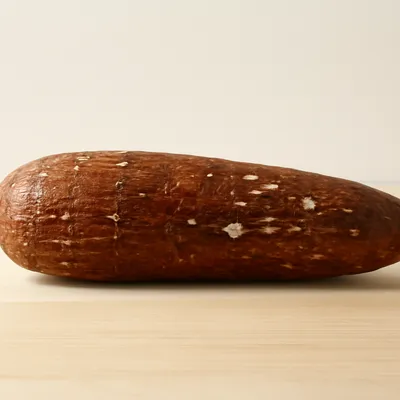
Beyond mamona, the Llanos kitchen revolves around hayacas (Eastern-Plains banana-leaf tamales, more rectangular and pre-stew-stuffed than Bogotá tamales), pisillo (sun-dried beef shredded into stew), and casabe (cassava flatbread). Meals are eaten on rough wooden tables with hands and pocket-knives; aguardiente flows freely; the music is joropo. The Llanero kitchen is the most-rural and most-cowboy of all Colombian cuisines — least exposed to international audiences, but increasingly visible as Bogotá restaurants like El Asadero de Carlitos build brick-encased asadores to replicate the mamona experience indoors.
The Palate
Start Here
Cook the meat upright on wooden spits, not flat on a grill — radiant heat from the side, not from below, is the entire technique.
Why start here · Mamona Llanera is Colombia's cowboy feast — the dish at every Llanos festival, wedding, and cattle-roundup.
Banana leaves must be wilted over flame before wrapping — raw leaves will tear and leak.
Why start here · Hayacas Llaneras are the Christmas centerpiece of the Llanos — made cooperatively by entire families in early December.
The Pantry


See all 26 ingredients›





Dairy & Fats

Sauces & Condiments


How They Cook
Techniques that define this cuisine
Signature Dishes (3)
Other regions
Siblings within Colombian — each its own tradition.