
Aotearoa Māori earth-oven feast — volcanic stones heated red-hot in a fire are placed in a pit, food (chicken, pork, lamb, kumara, pumpkin, cabbage) wrapped in flax baskets or banana leaves is layered on top, wet cloths and earth seal the oven, and the food steam-bakes underground for 3-4 hours. Moist, smoky, deeply earthy.
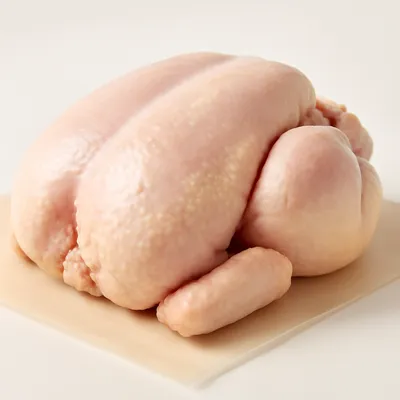


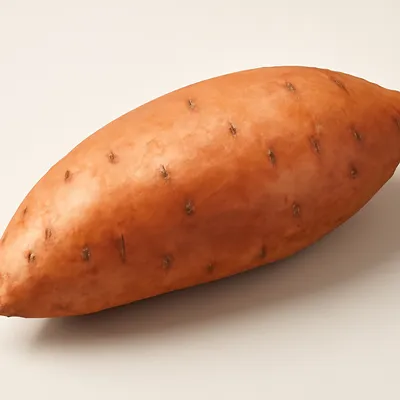

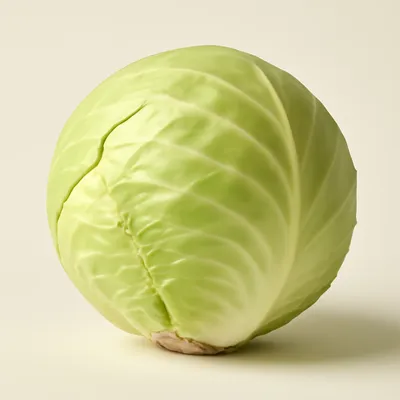
Hāngī is the universal Polynesian earth-oven cooking method, with the Aotearoa Māori variant being the most-elaborate, used for marae celebrations, weddings, and tangi (funerals). The technique brought from central Pacific around 1320-1350 CE has changed little.
Lift a piece of pork from the hāngī — falling apart, deep amber-brown from the stones' heat, faintly smoky from the wet-flax steam. Bite: meltingly tender, infused with earth-and-wood smoke, the salt highlighting the meat's natural flavor. Pair with a chunk of kumara — its caramelized sweet flesh is the perfect counterpoint. With chicken, pumpkin, and cabbage all sharing the same steam, this is communal Māori cooking at its most-essential — the marae feast unchanged for 700 years.
Volcanic stones heated to ~600°C transfer heat to the wet cloths above, generating steam that cooks the food. The earth seal traps both heat and moisture. The wet-flax wrapping prevents food from charring while infusing subtle smoky aroma. Different ingredients cook to the same doneness because the steam temperature equilibrates throughout.
Variations
With seafood added (mussels, fish, eel). With lamb only (modern variation). With added watercress. Smaller pit for 4-6 people. Aboveground 'hāngī box' (modern at-home version). Steam-cooker hāngī (simplified urban version).
On the Palate
Where Hāngī sits in the Maori flavor cloud
Ingredients
Serves 12

How it's made
12 steps · 1 hour 30 min active + 4 hours 30 min waiting
- 122 min
Dig a pit 60-80 cm deep and 1 m wide.
- 232 min
Build a large fire in the pit with hardwoods (manuka if available); place 20-30 hāngī stones (volcanic, smooth river or igneous) in the fire.
- 3122 min
Let the fire burn 2 hours until stones are red-hot and embers remain.
Watch outStones are ready when they glow orange all the way through and the fire has burned down to embers.
- 412 min
Rake embers aside; arrange hot stones evenly across the pit bottom.
- 54 min
Layer wet cloths or wet flax (kete) over the stones.
- 614 min
Place wire baskets containing 4 kg chicken pieces, 3 kg pork shoulder cubes, 2 kg lamb chunks (all seasoned with salt only) onto wet cloths.
- 716 min
Layer 2 kg whole kumara, 1.5 kg pumpkin chunks, 1 cabbage cut into wedges, 1 kg potatoes around the meat.
- 84 min
Cover with another set of wet cloths.
- 922 min
Heap soil over the cloths to completely seal (no steam should escape).
Watch outPack soil until you see no wisp of steam anywhere along the edges—any leak means heat is escaping.
- 10200 min
Cook 3-4 hours undisturbed.
- 1122 min
Dig up carefully, lift cloths, and lift the baskets out.
Watch outMeat should pull apart easily and the kumara feel soft right through when you lift the baskets.
- 124 min
Serve immediately on a communal table; eaten by hand or fork.


