


Maori
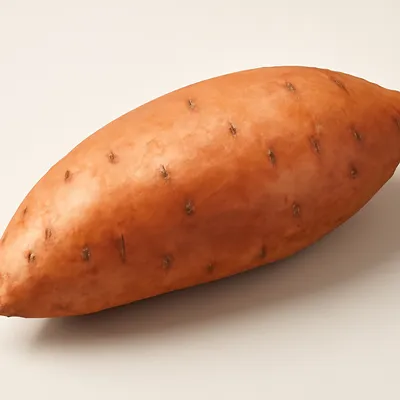
Hāngī steam-baked underground, boil-up doughboys floating in pork-bone broth, kumara roasted with thyme, green-lipped mussels from the Marlborough Sounds — Polynesian voyaging tradition unchanged for 700 years on the Aotearoa table.
Hāngī
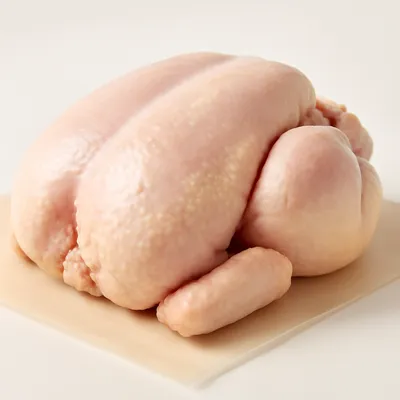
Aotearoa Māori earth-oven cooking — a pit is dug; volcanic stones are heated red-hot in a fire; the stones are placed in the pit; layers of food (chicken, pork, lamb, kumara, pumpkin, cabbage) wrapped in flax baskets or banana leaves are placed atop; wet cloths and earth seal the oven; the food steam-bakes for 3-4 hours. The result is moist, smoky, deeply earthy. Source: Wikipedia (Hāngī); Māori Tourism.
View page →Māori cooking is the food of the tangata whenua (people of the land) of Aotearoa New Zealand, whose ancestors arrived via Polynesian voyaging canoes from the central Pacific around 1320-1350 CE. The cuisine is built on kumara (sweet potato), Aotearoa's abundant seafood (snapper, green-lipped mussels, kina sea urchin, pāua abalone), and post-European-contact pork, lamb, and chicken. The signature cooking method is hāngī — an earth oven where heated stones are buried with meat and root crops wrapped in flax baskets, then covered with earth and left to steam-bake for 3-4 hours. Boil-up is the everyday Māori comfort dish — pork or chicken slow-simmered with kumara, pumpkin, watercress, and doughboy dumplings. Fry bread (parāoa parai) is the iconic Māori bread. Rēwena bread is the sourdough leavened with fermented potato.
The Palate
Start Here
Volcanic stones heated red-hot, buried in a pit with food wrapped in flax baskets — chicken, pork, lamb, kumara, pumpkin, cabbage — all steam-baked for 3-4 hours.
Why start here · Aotearoa's iconic celebration meal. The marae feast unchanged for 700 years; the deepest expression of the Polynesian voyaging tradition.
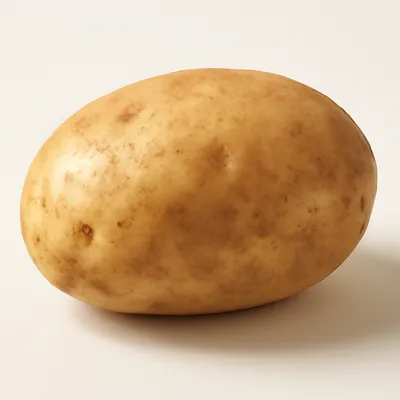
Pork bones, mutton, or chicken slow-simmered with kumara, pumpkin, potato, watercress, pūhā greens, and doughboy flour-dumplings.
Why start here · The everyday Māori comfort dish. Eaten at home rather than the marae-celebration hāngī — the universal Māori winter family meal.
Sourdough bread leavened with rēwena 'bug' (fermented potato-and-flour starter). Dense, slightly tangy, with a chewy crust.
Why start here · The pre-yeast Māori bread tradition. Connecting modern eating to early colonial-Māori encounter when wheat first arrived.
The Pantry

















On the Map
Where this cuisine is found
Regional Styles
North Island (Te Ika-a-Māui)
The North Island with the most-populous Māori iwi. Hāngī celebrations, Auckland marae cooking, and the strongest seafood-and-kumara tradition.
South Island (Te Waipounamu)
The South Island with Ngāi Tahu iwi. The strongest green-lipped mussel coastal tradition (Marlborough Sounds) and pāua-rich Stewart Island.
Urban (Auckland, Wellington)
Modern urban Māori cooking with fry bread cafes and the rēwena-bread artisan revival.
How They Cook
Techniques that define this cuisine


