
Papua New Guinean earth-oven feast — volcanic stones heated in a fire are placed in a pit, food (pork, chicken, kaukau sweet potato, taro, banana, coconut-milk-soaked greens) wrapped in banana leaves is layered on top, then sealed with leaves and earth, cooked 2-4 hours. The communal celebration cooking method across PNG.

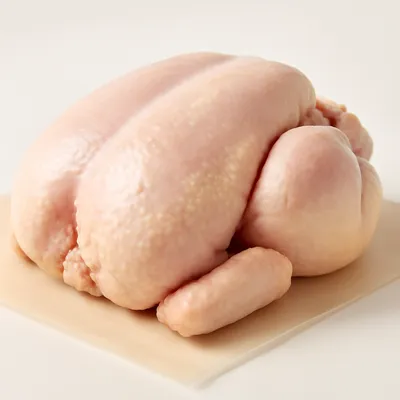
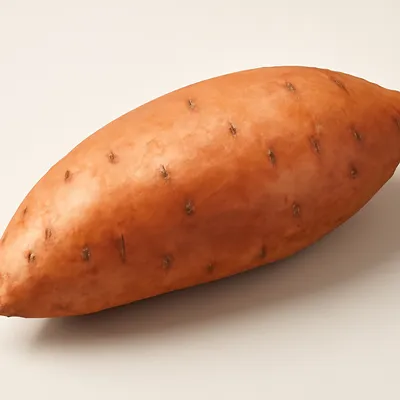
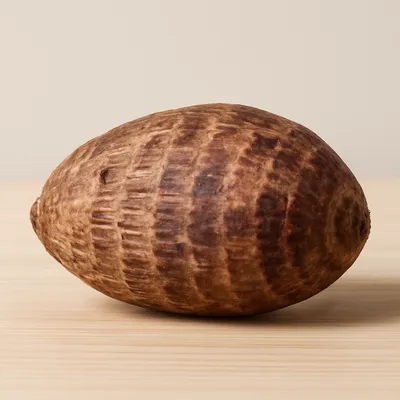
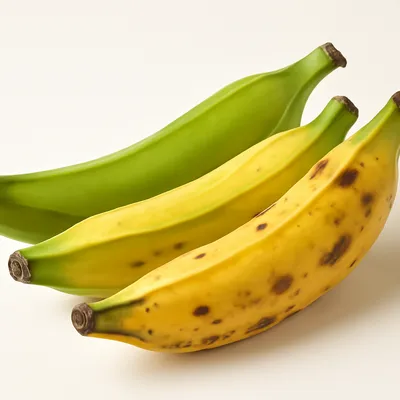

Mumu is the universal Melanesian earth-oven, parallel to Māori hāngī, Tongan ʻumu, Fijian lovo, Solomon motu, and Vanuatuan oven. Used for celebrations, bride-price ceremonies, and Christmas feasts across PNG.
Lift a piece of mumu pork from the steaming pit — falling apart, deep amber from the stones' heat, fragrant with banana-leaf earth. Bite: meltingly tender, infused with smoke and the banana leaf's gentle grass aroma; salt highlighting natural flavor. Pair with kaukau sweet potato — caramelized at the edges, soft inside. The coconut-milk greens add tropical richness. Communal eating off banana leaves, this is PNG village celebration unchanged for centuries.
Stones at 600°C transfer heat to banana leaves and food, steam-cooking from below. Banana leaves between stones and food prevent direct burning while infusing aroma. Earth seal traps heat and moisture.
Variations
With kuru (PNG bird, when permitted). With added fish. With cassowary (highland tradition). Coconut-cream-only vegetarian. Modern home version with cooked stones (oven preheat). With added pineapple.
On the Palate
Where Mumu PNG sits in the Papua New Guinean flavor cloud
Ingredients
Serves 10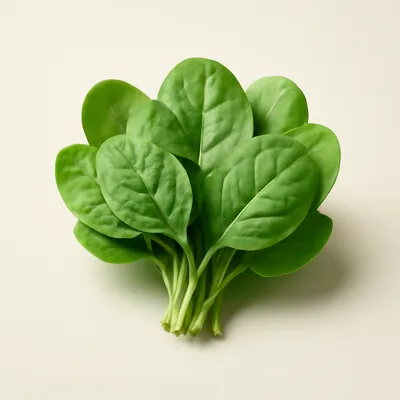


How it's made
12 steps · 1 hour 20 min active + 3 hours 40 min waiting
- 122 min
Dig a pit 60 cm deep, 1 m wide.
- 2122 min
Build a large fire in the pit; place 30 volcanic stones in the fire. Burn 2 hours until stones are red-hot.
Watch outStones are ready only when they glow red through the fire, not merely blackened and hot.
- 312 min
Rake embers aside; spread stones evenly.
- 44 min
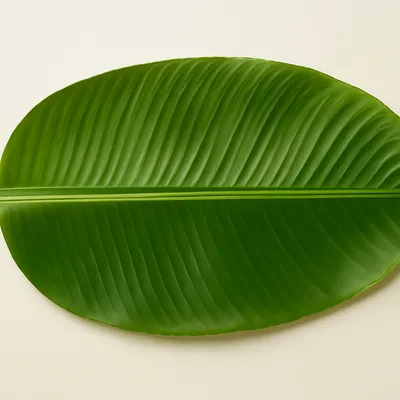
Place fresh banana leaves over stones (this prevents food from burning).
- 522 min
Layer 4 kg pork chunks, 3 kg chicken pieces (all wrapped in banana-leaf parcels with salt).
- 612 min
Add 2 kg whole kaukau, 1.5 kg taro chunks, 1 kg green plantains, 500 g pumpkin chunks.
- 78 min
Make coconut-milk-soaked aibika (or substitute spinach): blanch 500 g greens; squeeze; pour 250 ml coconut milk + 1 tsp salt over.
- 86 min
Wrap greens in banana leaves; add to the pit.
- 94 min
Cover all with another layer of banana leaves.
- 1012 min
Seal pit completely with earth.
Watch outFeel around the mound for escaping steam or warm spots — reseal any leak before you walk away.
- 11162 min
Cook 2.5-3 hours undisturbed.
Watch outResist opening early; hold the full 3 hours or the dense taro and pork core stays raw.
- 1214 min
Carefully dig up, unwrap, and serve communally on banana leaves.


