
A Northeastern Chinese street snack built on a thin, flat sheet of dried wheat 'cold-noodle' dough (烤冷面专用面饼) — despite the name, not the Korean buckwheat cold-noodle soup, but a different starchy wheat sheet meant to be griddled. The sheet is laid on a hot oiled iron plate, an egg is cracked and spread across it, and it is brushed with a sweet-sour garlic-chili sauce, then layered with ham sausage, scallion, and cilantro. It is folded or rolled, cut into squares with the griddle spatula, and eaten hot off the plate. Cumin, onion, and lettuce are common add-ins. Sold from carts and small stalls across the Northeast and, increasingly, the whole country.


Griddled cold noodle is a modern Northeastern street food whose precise origin is contested, but the most widely cited and officially backed account places it in Mishan (密山市), Heilongjiang, around 1996, said to have been improvised by a street vendor near Mishan No. 2 Middle School who took the dried Korean-style cold-noodle sheets he normally ate and grilled them over a skewer charcoal fire, brushing on sauce. A rival claim names Mudanjiang (牡丹江) as the birthplace, though some Mudanjiang vendors trace the technique back to Mishan; the exact year and inventor remain unsettled. Early forms were charcoal-grilled or deep-fried; the now-dominant version — laid flat on a hot iron griddle, glued with a cracked egg, and brushed with a sweet garlic-chili sauce — is generally credited to a standardization around 2007 in Harbin, after which it spread nationally as a cart snack. It is unrelated as a dish to the Korean-Chinese cold-noodle soup (朝鲜冷面), which is a chilled buckwheat-and-starch noodle in broth; griddled cold noodle uses a different, mainly wheat sheet.
Hot off the iron plate, the noodle sheet is chewy and faintly crisp where it caught the metal — pliable and a little springy, never the soft slither of a boiled noodle. The egg sets into a thin, savory film holding the layers together; the sauce is the loud note, sweet first, then sour and garlicky with a building chili-cumin warmth. Bites of ham sausage give a soft salty chew, scallion and cilantro cut through. Done well, the sheet is supple with crisp browned edges and the sauce coats without pooling; done badly, the sheet is either dried hard and leathery from too long on the plate, or gummy and pale because it was steamed soft instead of seared, and the sauce turns one-note sweet.
The dish lives or dies on dry-griddling rather than boiling. The sheet is a high-gluten wheat dough (often cut with starch and a little alkali), and on a hot oiled iron plate the surface browns through the Maillard reaction — amino acids and reducing sugars reacting at high contact heat to give the roasted color, aroma, and the lightly crisp edge. Crucially the sheet is cooked from semi-dry, never simmered soft: kept chewy, its gluten network stays taut so it holds a springy, slightly resilient bite (Q弹) instead of going slack and gummy as it would in water. A splash of water under the sheet flashes to steam to soften it just enough to fold without tearing, then boils off so the surface can sear again. The cracked egg coagulates on contact and acts as glue, its proteins setting into a film that binds the layers and the fillings. The sauce — sweet bean paste, garlic-chili paste and ketchup or a sugar-vinegar mix, loaded with chili, cumin and sometimes Sichuan pepper — is brushed on hot so the sugars and aromatics reduce and cling to the surface, balancing sweet, sour, salty and pungent in one sticky glaze; brushed too early or too thin and it slides off without the lacquered coat.
Variations
Three lineages are named by technique: the early 炭烤串 (charcoal-grilled, often on a skewer), the 油炸 (deep-fried) version, and the now-dominant 铁板刷酱 (iron-plate brushed-sauce) form, which won out for being standardizable and consistent — though gas and oil costs also pushed the deep-fried version out of favor. Add-ins vary widely: 火腿肠 (ham sausage) is near-default, with 里脊 (pork loin strips), 培根 (bacon), 洋葱 (onion), 香菜 (cilantro), 生菜 (lettuce) and a heavy hit of 孜然 (cumin) all common. It can be made 加蛋 (with egg) or without; some stalls roll it tight, others fold and square it. Sauce sweetness and sourness vary by region and stall, from a sharper sweet-sour to a thicker, sweeter ketchup-leaning glaze, with chili heat to taste. A Dalian variant wraps the sheet around stinky tofu before frying.
On the Palate
Where Griddled Cold Noodle sits in the Chinese flavor cloud
Ingredients
Serves 1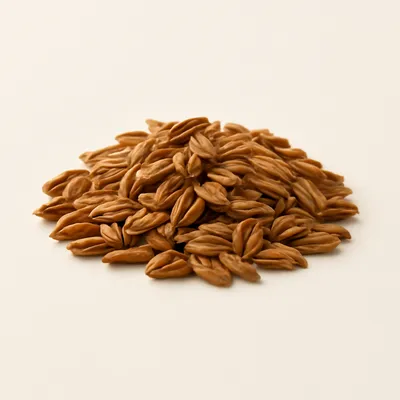

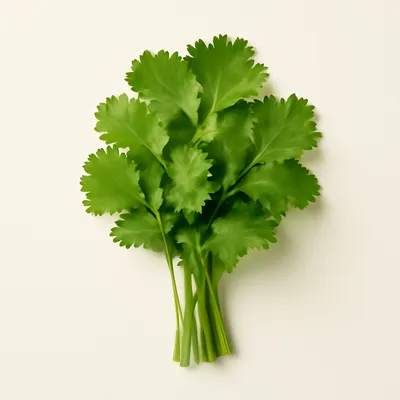

How it's made
7 steps · 5 min
- 12 min
Heat a flat iron griddle (or heavy flat pan) over medium-high heat and brush with a thin film of oil.
- 21 min
Lay a dried cold-noodle sheet flat on the hot plate; if it is stiff, flick a little water under it so the steam softens it, letting the water boil off as it pliabilizes.
Watch outCook the sheet from semi-dry, never simmered soft — a flick of water under it just steams it pliable; keep it chewy so it browns and stays springy instead of going gummy.
- 31 min
Crack an egg onto the sheet and spread it across the surface with the spatula; once it begins to set, flip the sheet so the egg side cooks briefly and glues to the noodle.
Watch outFlip the sheet the moment the egg begins to set so the egg side glues onto the noodle — wait too long and the egg cooks dry and won't bond.
- 41 min
Brush the surface generously with the sweet garlic-chili sauce (sweet bean paste, garlic-chili paste and ketchup or sugar-vinegar), and dust with chili powder and cumin.
- 51 min
Lay split ham sausage, scallion, and cilantro across one side; add onion or lettuce if using.
- 61 min
Fold or roll the sheet over the fillings and press lightly so it holds together.
- 71 min
Cut into squares on the griddle with the spatula, lift onto a plate or into paper, and eat hot.


