
Spiced ground beef simmered in a tomato sofrito with green olives, raisins, and a few capers, served over white rice with sweet fried plantains. A pan-Hispanic dish in the Cuban manner that became a home-cooking and lunch-counter staple of Miami and Tampa, carried north by the Cuban exile community. Its signature is a bite-by-bite push and pull between briny olive and soft sweet raisin.


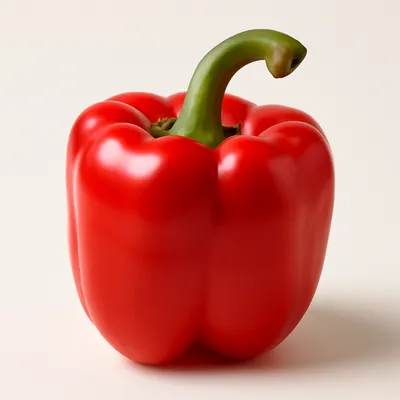

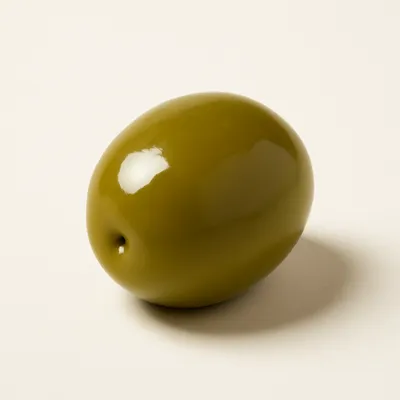
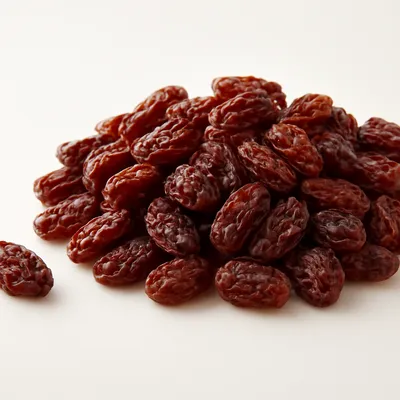
Picadillo is a whole family of dishes — Spanish, Mexican, Cuban, Puerto Rican, Dominican, Filipino — all descended from Spanish colonial cooking, and it is no Florida invention. This is the Cuban version, which became a staple of Miami and Tampa kitchens with the Cuban exile waves that followed Fidel Castro's rise in 1959. There is no datable Florida 'first': the dish arrived with the people, as part of the food that anchored Little Havana and Hialeah. The sweet-and-savory profile of olives and raisins is commonly credited to Moorish-Andalusian influence, though this is food-writers' consensus rather than proven history.
Sofrito first — onion, pepper, and garlic gone soft and sweet in warm oil. The beef is savory and loose-textured in a brick-red tomato sauce gently warmed by cumin, with a whisper of oregano and bay. Then the signature contrast, bite by bite: the briny snap of a green olive against a soft raisin plumped fat in the braise, with tiny pickle-sharp pops of caper. Spooned over fluffy white rice that drinks up the sauce, alongside caramelized, jammy plantains — much of the Cuban table in one forkful.
The base is the sofrito — onion, green pepper, and garlic slowly softened in oil, which mellows the alliums' harsh sulfur compounds into sweet, savory notes, while the tomato adds free glutamate for umami depth. The sweet-and-salty balance is real taste chemistry: salt suppresses bitterness and lifts the perception of sweetness, so the olive and caper brine rounds and amplifies the raisins rather than fighting them, and its acidity cuts the rich beef. The beef is browned first for Maillard depth, then simmered gently in the sauce so it stays tender; cumin's earthy warmth keeps the whole dish savory, not candied.
Variations
The clearest split is Cuban versus Mexican: the Cuban version uses a sofrito with raisins, green olives, and capers and a splash of dry white wine, and is mild; the Mexican version leans on potato, carrot, and chiles and usually skips the raisins. Within Florida there is no meaningful Tampa-versus-Miami difference — variation runs household by household, with some cooks adding fried potatoes, a pinch of cinnamon or clove, or vinegar in place of wine. It is most often served as arroz con picadillo, over rice, with plantains and black beans.
On the Palate
Where Floridian Picadillo sits in the American flavor cloud
Ingredients
Serves 5
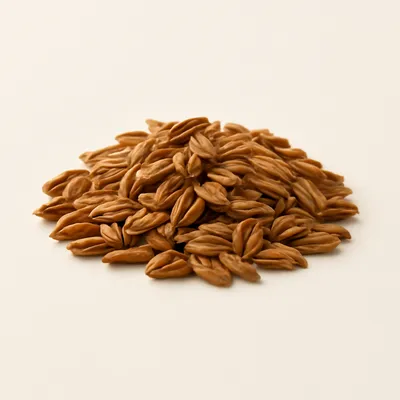
How it's made
6 steps · 25 min active + 15 min waiting
- 18 min
Soften onion and green pepper in olive oil for six to eight minutes, then add garlic for one minute to build the sofrito.
- 26 min
Add the ground beef and brown it hard, letting it sear before stirring; drain excess fat.
Watch outLet the beef sear untouched before you stir — that hard brown crust is the deep savory backbone of the dish.
- 32 min
Deglaze with a splash of dry white wine and reduce a minute or two.
- 42 min
Stir in tomato sauce, cumin, oregano, and a bay leaf.
- 518 min
Add the green olives, capers, and raisins, then simmer partly covered 15 to 20 minutes until thickened and melded; adjust salt and discard the bay.
Watch outSimmer until it thickens and the olives, capers and raisins have melded — the sweet-salty balance only rounds out with that time in the pan.
- 63 min
Serve over fluffy white rice with sweet fried plantains and black beans.
Archive tool suggestions — not reviewed
These legacy suggestions have not been evidence-reviewed and are not presented as required tools.



