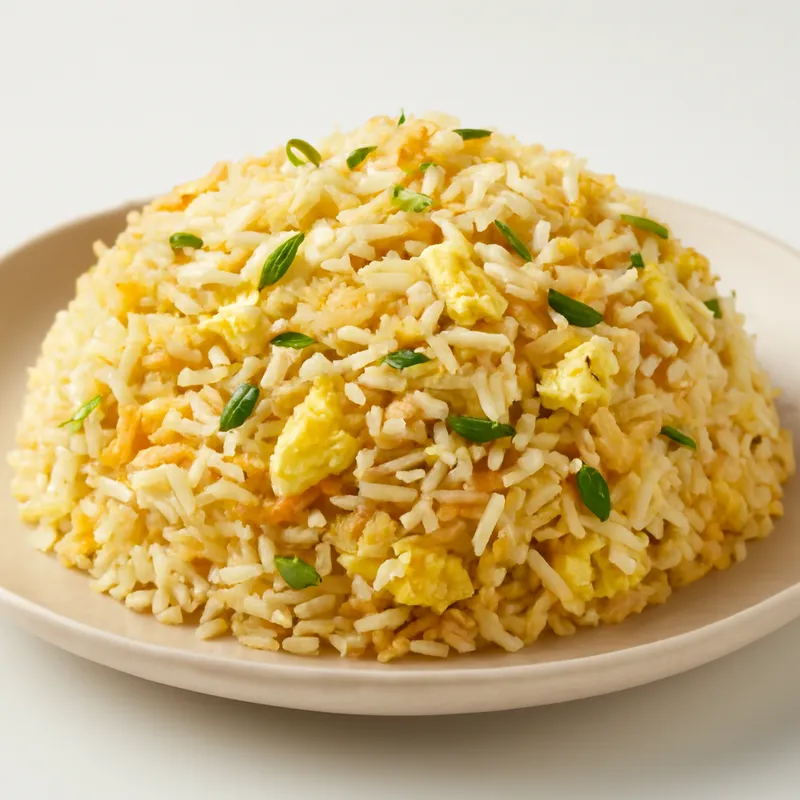
Paper-thin slices of fragrant conch stir-fried with winter bamboo shoots, shiitake mushrooms, and a measured spoon of Fujian red wine lees: the lees tint everything a luminous rose-red, and the aroma — part fermented grain, part open sea — is unlike anything else in the Fujianese canon. Each slice must be cut with absolute precision, or it either remains raw or turns rubbery within the same ten seconds of cooking.



Food historians associate the dish with the court of Min King Wang Shenzhi (893–925 CE), when chefs from the Central Plains who accompanied the new rulers adapted their knife skills to Fujian's coastal larder and began using red wine lees — a byproduct of Fujian's traditional qīnghóng rice wine — as a signature flavouring. The dish's modern reputation was cemented at Fuzhou Hotel, where brothers Qiang Mugen and Qiang Qugong were its most celebrated practitioners. Qiang Mugen excelled at knife work; Qiang Qugong commanded heat and seasoning. In November 1983, both brothers represented Fujian at the nation's first Culinary Arts Masters Competition and each won the title of National Best Chef; their version of this dish was said to have been acclaimed as 'a Chinese culinary marvel' (中华烹饪一绝).
The conch slices snap clean between the teeth — cold, sea-bright, lightly firm — then the red-lees warmth rises, fermented and mellow, without the muddy sweetness that lesser versions carry.
Conch muscle is composed of tightly wound actin-myosin fibres that seize up rapidly above 65°C; a brief blanch followed by a ten-second wok toss at roughly 200°C sears the surface while keeping the interior below the toughening threshold. The red lees are produced by Monascus mould grown on glutinous rice; the mould's heat-stable red pigments bind to surface proteins on the seafood, producing the characteristic rose-red colour. Lactate and acetate esters derived from the lees fermentation also bind with trimethylamine, the compound responsible for fishiness, effectively suppressing any marine odour.
Variations
A cold version, 醉糟螺片, marinates the slices overnight in red lees without stir-frying, yielding a deeper fermented character served as a cold starter. Coastal restaurants sometimes substitute turban shell when fragrant conch is out of season.
On the Palate
Where Light-Lees Fragrant Conch Slices sits in the Chinese flavor cloud
Ingredients
Serves 3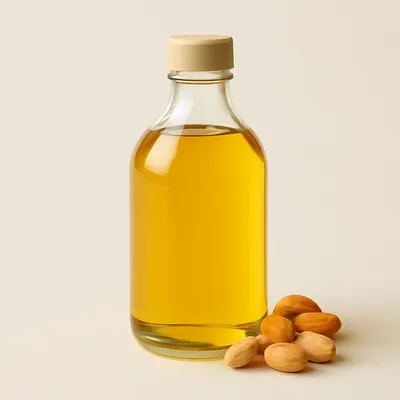

How it's made
8 steps · 20 min
- 115 min
Remove the conch from its shell; cut away the head, tail, and viscera, keeping only the white muscle. Using a sharp cleaver, slice into uniform rounds of about 3 mm — thicker will not cook through, thinner will toughen instantly in the wok.
Watch outCut the conch a hair over 3 mm and even — thinner seizes rock-hard the instant it hits the wok, thicker won't cook through in the ten-second toss.
- 25 min
Blanch the conch slices in boiling water for 5 seconds, then plunge into ice water immediately; drain and set aside.
Watch outBlanch a bare five seconds then straight into ice water — over five and the muscle tightens and no amount of wok time brings the crunch back.
- 310 min
Soak dried shiitake mushrooms until fully rehydrated, about 30 minutes; remove the stems and halve each cap to create clean semicircles. Reserve the soaking liquid, straining out any grit.
- 42 min
Slice the winter bamboo shoots into thin oblique pieces. Blanch both in lightly salted boiling water for 30 seconds; drain.
- 52 min
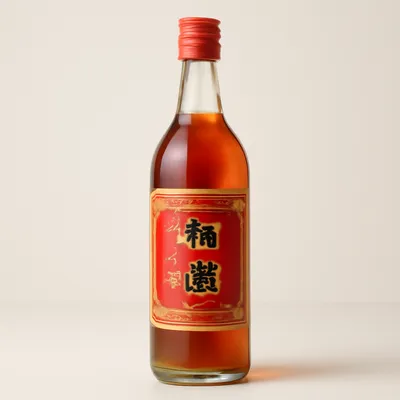
In a small bowl, thin the red wine lees with a splash of Shaoxing rice wine and a pinch of sugar to smooth their edge.
- 61 min
Heat the wok over the highest flame until smoking. Add peanut oil and stir-fry the mushrooms and bamboo shoots for 30 seconds until fragrant.
- 72 min
Add the diluted red lees and toss for 5 seconds until the paste blooms with aroma.
- 85 min
Add the blanched conch slices and stir-fry vigorously for 8–10 seconds — no more. Splash Shaoxing wine around the rim, toss once, and plate immediately.
Watch outToss the conch eight to ten seconds, no longer, then plate — every extra second past that turns the tender snap into rubber.