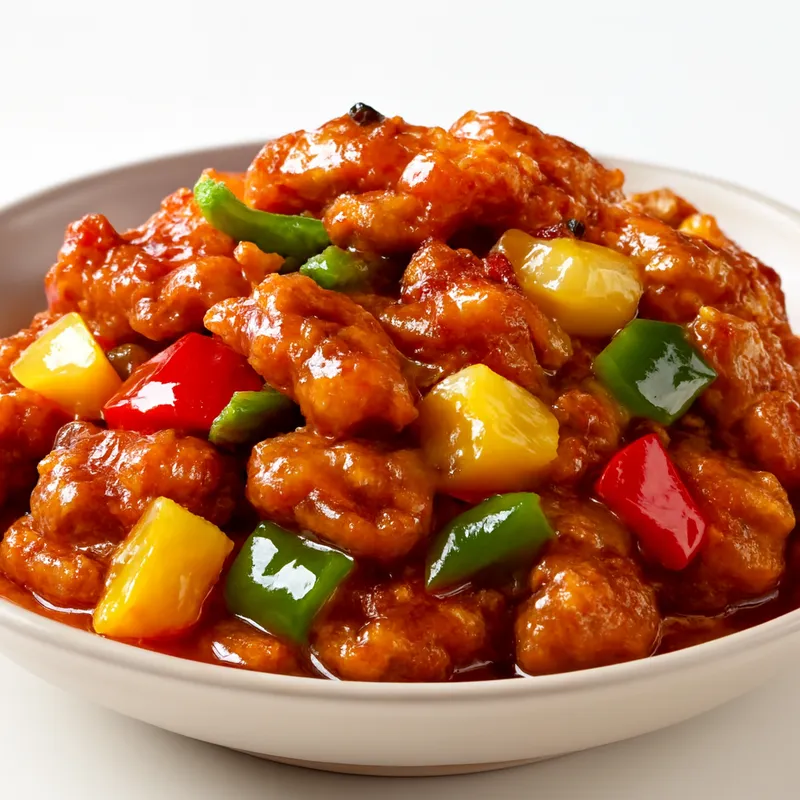
A flaky, lard-laminated wheat flatbread from Xizhou Ancient Town in Dali, cooked on an iron griddle with charcoal heat from above and below until crackling and golden, offered in two versions: savory with scallion and Sichuan pepper, or sweet with Yunnan rose-petal sugar.



Xizhou's layered flatbread — locally known as 破酥粑粑 (pòsū bābā) — draws its laminating technique from northern Chinese layered breads carried south into Yunnan by Han traders and officials traveling the Southern Silk Road (茶马古道) during the Ming and Qing dynasties. Xizhou was a prosperous caravan town built on the Yunnan–Tibet tea-horse trade, home to the powerful Yan, Dong, Yin, and Yang merchant families — collectively called 喜洲四大商帮 — who patronized skilled bread makers whose produce sustained the trade caravans. Local bakers adapted the northern oil-pastry technique using Yunnan lard and Dali rose-petal sugar, producing a flatbread distinctly Bai in character. The most celebrated stall has long operated at the gateway of Yan Family Compound (严家大院) in Xizhou Ancient Town.
The outer crust shatters at first bite, releasing a surge of warm lard fragrance; the interior layers peel apart in thin, chewy-tender sheets. The savory version tingles with scallion and a gentle Sichuan pepper buzz; the sweet version unfolds a haunting rose-sugar perfume that deepens as the bread cools slightly on the tongue.
The laminated texture results from alternating layers of glutenous dough and lard. Gluten strands — formed from wheat gliadin and glutenin absorbing water — trap steam during cooking, inflating each layer into a hollow sheet; lard, with its high proportion of palmitic and stearic saturated fatty acids and a sharp melting point near body temperature, separates the layers cleanly and delivers a sudden release of fat on the tongue. Dual-sided charcoal heat from the 鏊子 drives Maillard browning on the surface (above 120°C) while the insulating lard layers allow the interior to cook by steam convection without burning.
Variations
A third variant fills the flatbread with minced pork, five-spice, and salt for a savory meat version popular with locals. Premium gift versions are filled with Yunnan fresh rose-petal jam rather than dried rose sugar. Some roadside vendors cook the flatbread directly in charcoal ash embers for a deeper smoky crust.
On the Palate
Where Xizhou Layered Flatbread sits in the Chinese flavor cloud
Ingredients
Serves 6

How it's made
7 steps · 10 min
- 110 min
Combine 300g all-purpose wheat flour with 3g baking powder; gradually add 150ml warm water, mixing and kneading until a smooth, slightly elastic dough forms; cover with a damp cloth and rest 30 minutes.
- 230 min
Divide the rested dough into 6 equal portions; roll each on a lightly floured board into a thin rectangle approximately 30 × 15 cm.
- 35 min
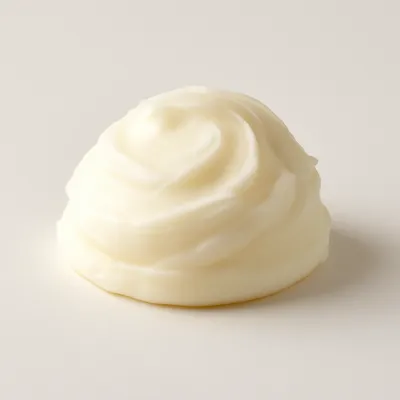
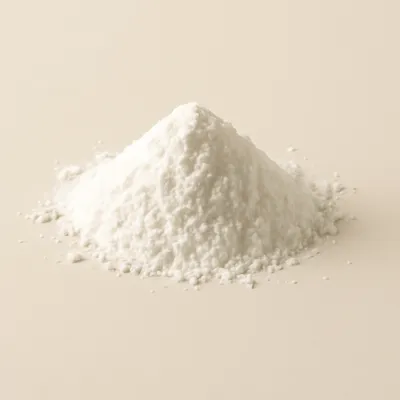
For savory (咸味): brush the dough surface generously with warm lard; scatter minced scallions, Sichuan pepper powder, and a pinch of salt evenly. For sweet (甜味): brush with warm lard and spread rose sugar evenly across the surface.
- 45 min
Starting from the near edge, roll the filled dough tightly into a log; press the log down firmly with your palm and roll out again slightly to compact the layers; pinch both ends firmly to seal and prevent filling from escaping.
Watch outRoll the oiled sheet into a tight log with no gaps — loose coils and the lard pools and leaks out, and the layers won't puff.
- 53 min
Shape each piece into a round disc about 15 cm in diameter and 1 cm thick by pressing with your palm, then gently rolling with a pin — do not press too hard or the layers will merge.
Watch outFlatten with a gentle palm and a light roll only — bear down hard and the buttery layers weld into one solid mass.
- 615 min
Heat a flat iron griddle (鏊子 or cast-iron skillet) over medium charcoal heat; cook each flatbread, pressing gently and turning every 3–4 minutes, until both sides are evenly golden-brown (about 15 minutes total).
Watch outTurn every 3–4 minutes over medium heat until both faces are an even gold — a fierce fire browns the crust before the inside layers set.
- 710 min
Transfer to a 180°C oven for 8–10 minutes to finish, or place a lid with live charcoal on top of the griddle to apply heat from above as well; the bread is done when it sounds hollow when tapped and the crust is golden and crackling. Serve hot.
Archive tool suggestions — not reviewed
These legacy suggestions have not been evidence-reviewed and are not presented as required tools.