Meizhou's definitive breakfast — springy alkaline noodles tossed tableside with molten lard, bronzed fried garlic, and a precise ratio of fish sauce, soy, and oyster sauce. No broth, no theatrics: the fat emulsifies directly onto each strand, and the bowl arrives at the table glistening, demanding to be eaten before it cools.



Yanmian is a Hakka breakfast unique to Meizhou, inheriting a tradition of mixed noodles carried south with Han migration from the Central Plains. By local accounts the dish took commercial form in the Republican era, when busy Han River ferry landings drew clusters of yanmian stalls; the trade expanded further once cheaper flour and mechanical noodle-making spread in the mid-twentieth century. Over time a set pairing crystallised: yanmian served alongside san ji di tang — a clear broth poached with pork liver, lean pork, and pork intestine — a combination now inseparable from the Meizhou morning. The making of yanmian has been listed as a county-level intangible cultural heritage item.
A bowl of yanmian arrives glistening: lard-coated alkaline noodles piled with bronzed garlic and emerald scallion. The noodles are springy and slick, flavored so completely by fat and umami that no broth is needed — yet every Meizhou person will insist on the san ji di tang alongside, its clear gentle broth the yin to the noodle's rich yang.
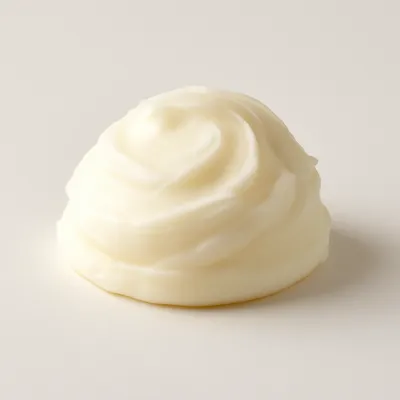
Alkaline noodles are made with sodium carbonate or potassium carbonate, which raises the dough to a high alkaline level. In this environment, the disulfide bonds between gluten proteins (glutenin and gliadin) reform more tightly, producing a firmer, more elastic strand and giving the noodle its characteristic springiness and faint yellow tint. When hot noodles are tossed immediately with lard, the fat emulsifies across each strand while the heat keeps the surface pores open, ensuring thorough coating rather than surface pooling. The fried garlic bits, formed by Maillard reaction at high oil temperature, contribute dozens of volatile sulfur compounds — including diallyl disulfide and methyl propyl disulfide — that fuse with the fish sauce's glutamates to create the layered, persistent savoriness that defines yanmian.
Variations
San ji di tang (three-ingredient soup) — pork liver, lean pork, and intestine poached in clear broth — is the near-universal companion to yanmian in Meizhou, ordered as a set at most stalls. Some vendors crack a raw egg over the hot noodles and let residual heat coagulate it into a silky coat. Vegetarian versions substitute sesame oil for lard and soy sauce for fish sauce, common near Meizhou's Buddhist temples.
On the Palate
Where Hakka Marinated Noodles sits in the Chinese flavor cloud
Ingredients
Serves 2
How it's made
6 steps · 20 min
- 110 min
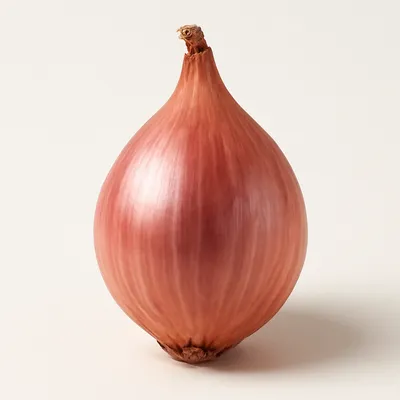
Thinly slice red shallots and fry in neutral oil over medium-low heat until deeply golden and crispy. Remove the shallots with a slotted spoon and reserve both the crispy shallots and the shallot-infused oil.
Watch outFry the shallots to deep gold, then pull them the instant the sizzle quiets — they carry over and burn bitter in the residual heat.
- 23 min
In a small bowl, whisk together light soy sauce, oyster sauce, fish sauce, and water in a 3:1:1:5 ratio. Add a pinch of sugar and stir until dissolved.
- 35 min
Bring a large pot of water to a rolling boil. Add the alkaline noodles and cook 2–3 minutes until just cooked through with a firm bite. Do not overcook.
- 42 min
Drain the noodles thoroughly and immediately transfer to serving bowls. Add lard and fried garlic bits while the noodles are piping hot; toss quickly to coat every strand.
Watch outToss lard and garlic through while the noodles are piping hot so the fat coats every strand — cool noodles just leave it pooling at the bottom.
- 52 min
Drizzle the prepared sauce and a spoonful of shallot oil over the noodles. Toss again with chopsticks until the noodles are glossy and evenly seasoned.
- 63 min
Top with sliced green onions, additional fried garlic bits, and the crispy fried shallots. Serve immediately alongside san ji di tang.


