The Kurdish version of stuffed grape leaves — rice, herbs (often dill and spring onion), sometimes minced lamb, rolled tight in vine leaves and slow-simmered in a sour broth. More herbaceous than the Arab dolma.

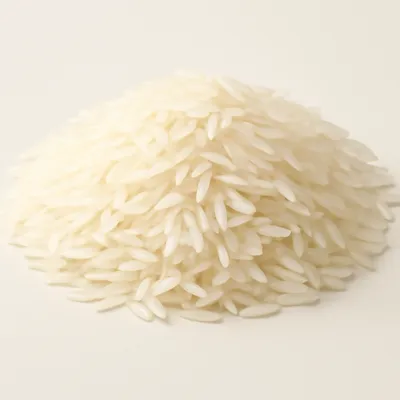

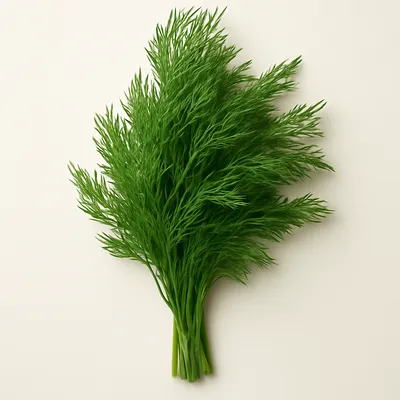


Yaprakh (from the Kurdish/Turkic word for 'leaf') is the Kurdish version of the stuffed-vegetable family that spans the Levant and Anatolia. What sets the Kurdish yaprakh apart from the Arab dolma is the heavy hand with fresh herbs — dill, spring onion, parsley — and a sour cooking broth often sharpened with pomegranate or lemon. Across Iraqi Kurdistan, yaprakh is everyday home food and a marker of Kurdish identity; 'spring yaprakh', made with the first fresh vine leaves of the season, is a sign that winter is over.
The vine leaf is silky-tart and yielding, the filling within soft, herby and faintly sour from the cooking broth. Dill and spring onion cut through the rice. A bone-in lamb chop or two cooked in the same pot gives the broth a deep, savory base. It is green, fresh and lighter than the heavy tomato Arab dolma.
The vine leaves, when blanched and rolled, are pliable enough to hold the filling but sturdy enough not to disintegrate during the long simmer; their tartaric and malic acid permeates the filling during cooking, giving the characteristic sourness. The rice inside is par-cooked (or uses a quick-cooking rice) so it finishes absorbing the sour broth as the pot simmers. Layering bone-in meat at the pot's base flavors the whole pot from below and prevents the leaves from scorching on the metal. The tight rolling excludes air, so the filling holds its shape.
Variations
Spring yaprakh uses fresh young vine leaves. A yogurt-cooked variant exists. Vegetables (eggplant, zucchini, peppers) are often added to the same pot.
On the Palate
Where Yaprakh sits in the Iraqi flavor cloud
Ingredients
Serves 6How it's made
5 steps · 1 hour 15 min
- 13 min
Rinse a jar of preserved grape leaves (or blanch 40 fresh leaves in boiling water 2 minutes); set aside.
- 210 min
Make the filling: mix 250g rice (rinsed), 150g minced lamb (optional), 1 bunch each chopped dill, parsley and spring onion, 1 tsp salt, 1/2 tsp black pepper and 1 tsp Baharat.
- 320 min
Lay a vine leaf veined-side up; place 1 tbsp filling near the stem end; fold in the sides and roll tightly into a small cigar; repeat to make about 40 rolls.
Watch outRoll each vine leaf tight into a small cigar — a loose roll lets in air and the filling spills as the rice swells.
- 455 min
Line the bottom of a heavy pot with 2-3 bone-in lamb chops and any torn leaves; pack the rolls tightly in layers seam-down; add 2 tbsp pomegranate molasses (or lemon juice), 1 tbsp ghee, and water to barely cover; weight with an inverted plate.
Watch outLine the pot base with bone-in meat and torn leaves — that layer flavors the pot from below and keeps the rolls from scorching on the metal.
- 510 min
Cover and simmer gently 50-60 minutes until the rice is cooked and the liquid absorbed; rest 10 minutes, then invert onto a platter or serve with yogurt.
Archive tool suggestions — not reviewed
These legacy suggestions have not been evidence-reviewed and are not presented as required tools.



