Kolokasi Stifado is the Cypriot stew of kolokasi (taro root) simmered with pearl onions, tomato, red wine, and cinnamon until the taro is silky and the sauce is dark and glossy. Kolokasi is the most distinctively Cypriot vegetable — eaten across the island for centuries, prized for its nutty, slightly sweet, potato-like flesh that holds its shape in stews.
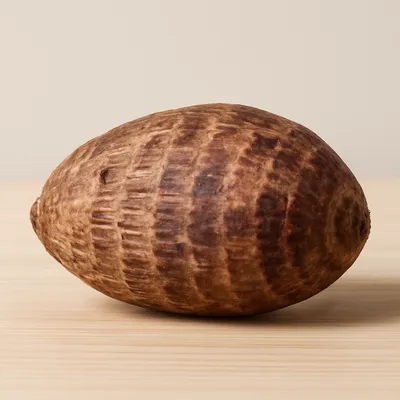





Kolokasi (taro, Colocasia esculenta) is the most distinctively Cypriot vegetable — it arrived on the island in ancient times and has been a staple ever since, grown in the fertile Mesaoria plain. The Cypriot preparation (stifado-style, with pearl onions, tomato, and cinnamon) is the classic way: the taro chunks hold their shape through long cooking, absorbing the sauce without falling apart. The dish is often vegetarian (during Lent) but can include pork. Kolokasi is so tied to Cypriot identity that it appears on traditional pottery and in folk songs; you will not find it prepared this way in Greece or Turkey.
A bowl of dark, glossy stew with chunks of pale taro and soft pearl onions, the sauce thick with tomato and red wine. The taro is silky, slightly sweet, with a nutty depth unlike potato; the cinnamon runs through; the pearl onions have melted to jam. Eat it with crusty bread, mopping the sauce.
Kolokasi (taro) must be handled carefully — the raw corms contain calcium oxalate crystals that irritate the skin and throat, so wear gloves when peeling and always cook it thoroughly (the crystals break down with heat). It is cut into chunks (not sliced — slices fall apart), and the pieces are browned first to set their shape. The long, slow stew (45+ minutes) makes the taro silky and lets it drink in the tomato-cinnamon sauce. The pearl onions are added in stages so some hold their shape.
Variations
Some add pork; some use black-eyed peas instead of meat for Lent; some add celery; the wine can be white or red.
On the Palate
Where Kolokasi Stifado sits in the Cypriot flavor cloud
Ingredients
Serves 4

How it's made
8 steps · 35 min active + 55 min waiting
- 15 min
Wearing gloves, peel 800 g kolokasi (taro); cut into 4-cm chunks.
Watch outWear gloves peeling the raw taro — the corms carry crystals that itch and sting; and cut it into chunks, not slices, or it falls apart in the stew.
- 25 min
In a pot, brown the taro chunks in olive oil 5 minutes; remove.
Watch outBrown the taro chunks first to set a skin on them — this holds their shape through the long stew so they stay in pieces.
- 38 min
Add 400 g peeled pearl onions; cook 8 minutes until golden.
- 41 min
Add 2 crushed garlic cloves; cook 1 minute.
- 53 min
Add 1 tbsp tomato paste, 1 can crushed tomatoes (400 g), 150 ml red wine, 1 cinnamon stick, salt, and pepper.
- 645 min
Return the taro; add water to half-cover; simmer covered 45 minutes until taro is very tender.
Watch outSimmer covered until the taro is silky-soft all the way through and has drunk up the tomato-cinnamon sauce — thorough cooking also breaks down the last of those crystals.
- 710 min
Uncover; reduce the sauce to glossy.
- 85 min
Rest 5 minutes; serve with crusty bread.
Archive tool suggestions — not reviewed
These legacy suggestions have not been evidence-reviewed and are not presented as required tools.



