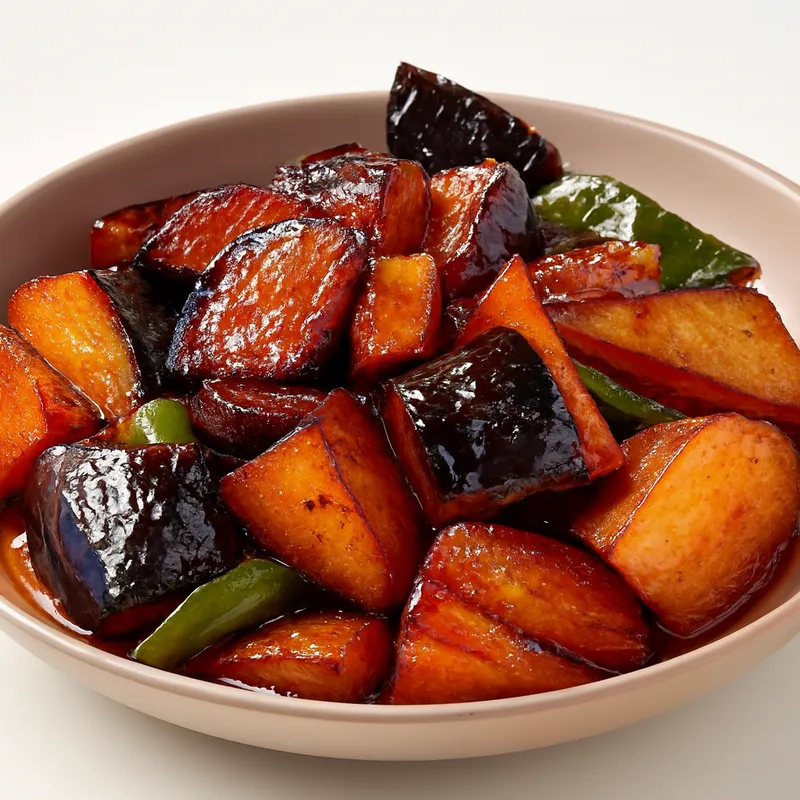
A cold dessert of ripe mango purée thinned with coconut milk and evaporated milk, topped with fresh mango cubes, pomelo segments peeled down to individual juice sacs, and cooked small sago pearls. Served ice-cold. The pomelo bursts and the mango purée coats everything; the sago pearls add soft, yielding spheres throughout.
Widely credited to Lei Garden (利苑酒家); the most-cited account dates it to 1987 at the group's first overseas branch in Singapore, created by head chef Wong Wing-chee (黄永帜) and named by director Szeto On (司徒安), though some sources place an earlier appearance at Lei Garden in Hong Kong around 1984. The name references a Buddhist sutra's heavenly willow branch dipped in nectar. It spread across Cantonese restaurants worldwide within a decade of its invention.
A cold bowl arriving at near 4°C: a thick, pale yellow base of mango purée cut with coconut milk. On the surface, three or four fresh mango cubes — ripe Ataulfo or Manila variety — plus a scattering of pomelo segments broken down to individual juice sacs, and a dozen or so small sago pearls. Eat by mixing: the purée coats everything, the pomelo bursts between the teeth and cuts the coconut fat, the sago gives a soft, yielding sphere in each spoonful.
The sago preparation is what is most often done wrong: dried sago pearls require simmering in water for 15–20 minutes (until the outer layer is translucent but a white dot remains at the centre), then resting off the heat for another 10 minutes for residual heat to finish the center. Under-cooked sago has a chalky, gritty core. Over-cooked sago dissolves. The mango purée is blended from ripe mango with coconut milk and a small amount of evaporated milk — the fat from both prevents the purée from separating when cold. Pomelo juice sacs are peeled individually rather than juiced: the membrane around each sac holds the burst until it is bitten, which is the textural point of the dessert.
Variations
Created at Lei Garden (利苑酒家); most accounts date it to the chain's 1987 Singapore branch (chef Wong Wing-chee / 黄永帜), with a competing claim of a ~1984 Hong Kong origin. The original used Ataulfo mango and fresh pomelo; modern versions sometimes substitute canned mango or packaged pomelo. A hot version (热杨枝甘露) exists but is uncommon. Some high-end restaurants serve it with a mango sorbet insert.
On the Palate
Where Mango Pomelo Sago sits in the Chinese flavor cloud
Ingredients
Serves 4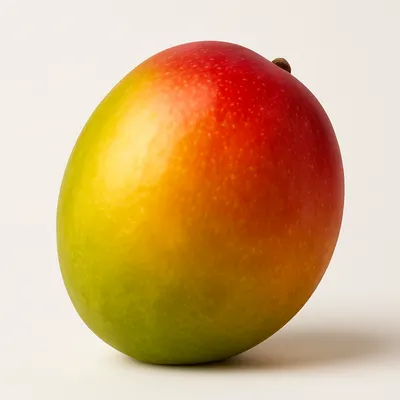



How it's made
7 steps · 30 min
- 130 min
Soak the sago pearls in cold water for 20 minutes; drain, then boil in a pot of water at a rolling boil for 8 minutes, stirring occasionally, until mostly translucent with a tiny white dot remaining at the centre.
Watch outFully-cooked sago turns gummy and collapses — pull it when a small white centre remains; residual heat in the rinse water finishes it.
- 23 min
Drain the sago and rinse immediately under cold running water until the pearls are cool, separate, and no longer sticky.
- 35 min
Blend 2 mangoes with coconut milk, evaporated milk, and sugar until smooth; taste and adjust sweetness.
- 48 min
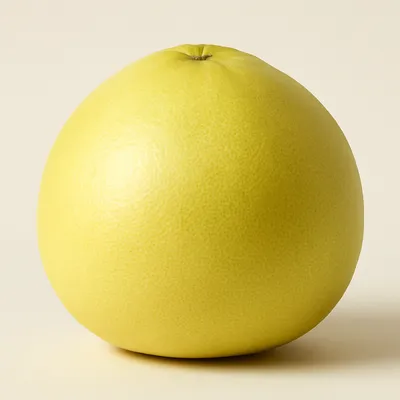
Peel the pomelo segments, then peel each segment's membrane away to release individual juice sacs.
- 53 min
Cut the remaining mango into 1cm cubes.
- 630 min
Chill the mango base and sago in the refrigerator for at least 30 minutes until fully cold.
- 72 min
Spoon the chilled mango base into bowls; scatter sago, mango cubes, and pomelo sacs over the top; serve immediately.