
Mozambique's national plant-protein dish — young cassava leaves pounded in a wooden mortar to break down their tough fibers, then slow-simmered with coconut milk, ground peanuts, garlic, onion, and prawns (or smoked fish) into a rich, deep-green, peanutty-creamy stew. Served over xima (cornmeal porridge) or rice. The everyday Mozambican family meal across coastal and interior provinces.




Matapa is an ancient Bantu dish, predating Portuguese arrival in its technique. Cassava roots and leaves arrived in Africa with 16th-century Portuguese traders from Brazil and were quickly adopted as a Bantu staple; the Tsonga, Makua, and Yao peoples of Mozambique have prepared cassava-leaf stews for generations. The pounding technique (a wooden pestle in a tall wooden mortar) is essential — un-pounded leaves stay tough and retain more cyanogenic compounds. Modern urban Maputo households use a blender or food processor instead. Matapa is one of Mozambique's most emblematic dishes and a fixture of the everyday family table across coastal and interior provinces.
Spoon up matapa over hot xima — the cornmeal is firm and white-creamy, the matapa dark-forest-green and glossy. First bite: the cassava-leaf bitterness has been tamed into earthy depth by the long simmer; the peanut adds rich nutty body; coconut milk carries the flavor; prawns add briny pop. The texture is silky-thick from the broken-down leaves. Tear off pinches of xima, drag through the matapa, eat. The Mozambican family supper in one mouthful.
Pounding cassava leaves serves three roles: breaks down cell walls to release flavor, makes the leaves digestible, and reduces cyanogenic glycosides (small amounts of natural cyanide). Long simmering (30+ min) completes the detox — raw or under-cooked cassava leaves can be toxic. Peanuts add fat and protein that mellow the slightly bitter leaves; coconut milk's lauric acid emulsifies with the peanut oil for the characteristic creamy mouthfeel.
Variations
Vegetarian matapa omits prawns and adds 200 g cubed pumpkin. Smoked-fish matapa uses 300 g shredded smoked tilapia instead of prawns — more traditional, less expensive. Cassava-shoot matapa uses tender new shoots (matapa de quitete). Crab matapa uses fresh crab — coastal-Maputo special. Northern Mozambique style adds curry powder for Indian-trade influence.
On the Palate
Where Matapa sits in the Mozambican flavor cloud
Ingredients
Serves 6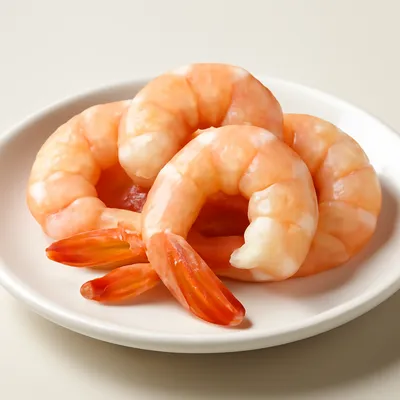


How it's made
11 steps · 40 min active + 50 min waiting
- 18 min
Prep 800 g young cassava leaves (or substitute large spinach + collard mix): remove tough stems, wash thoroughly.
- 218 min
Pound the leaves in a wooden mortar 15-20 min until pulpy and bright dark-green. Or pulse in a food processor for 2 min (don't puree — keep texture).
Watch outPound until the leaves go pulpy and bright dark-green; that's when the cell walls have broken enough.
- 35 min
Pound 200 g raw peanuts into a coarse paste with a little water (or use 6 tbsp natural peanut butter).
- 412 min
In a heavy pot, heat 3 tbsp coconut oil over medium heat. Sauté 2 large chopped onions until golden (10 min).
- 52 min
Add 6 minced garlic cloves and 1 tbsp grated ginger. Cook 1 min.
- 66 min
Add the pounded cassava leaves; stir to coat in the aromatics. Cook 5 min.
- 74 min
Add 600 ml thick coconut milk + 200 ml water + 1.5 tsp salt + the peanut paste. Stir to combine.
- 832 min
Reduce heat to low; simmer covered 30 min, stirring every 10 min. The leaves will collapse, the sauce will thicken from the peanut.
Watch outThe leaves should collapse and the sauce thicken from the peanut; stir every 10 min so it doesn't catch.
- 910 min
Add 500 g peeled raw prawns (or 300 g shredded smoked fish). Stir; cook 8-10 min until the prawns turn pink and just cooked through.
Watch outPull the prawns as soon as they turn pink and are just cooked through.
- 104 min
Taste; adjust salt. Add 2 tbsp lime juice for brightness. The matapa should be dark forest-green, thick, peanut-creamy, glistening.
- 114 min
Serve hot over xima (Mozambican cornmeal porridge) or jasmine rice, with extra piri-piri sauce on the side.


