
Northern Mozambican signature from Zambezia Province — bone-in chicken slow-cooked in a coconut-and-cashew sauce with garlic, onion, tomato, piri-piri, and lemon, then briefly grilled to char the skin. Richer and milder than frango à piri-piri, with the cashew-coconut creaminess of Zambezi-River-delta cooking. The Quelimane restaurant classic.





Zambezia Province is northern Mozambique's coastal plain, where the Zambezi River meets the Indian Ocean. Cashew trees were brought from South America (Brazil) by the Portuguese in the 16th century and thrived in Zambezia's climate; the Portuguese colonial administration actively promoted the crop, and Africa's first industrial cashew-processing plant opened in Mozambique in 1960. Production peaked in 1973 at roughly 240,000 tonnes, making Mozambique the world's second-largest cashew producer (after India). The cuisine adapted: cashews became the regional thickener, replacing peanuts. Galinha à Zambeziana evolved as the regional answer to southern Mozambique's piri-piri chicken — same chili heat, but creamier, slower-cooked, more restaurant than grill.
Lift a piece of galinha à Zambeziana from the pan — the skin is golden-charred, the flesh creamy-tender, swimming in a pale-orange cashew-coconut sauce flecked with tomato and parsley. First bite: the chicken is fall-off-the-bone tender from the long braise; the sauce coats it in cashew nuttiness, coconut creaminess, piri-piri heat building, lemon brightness. With white rice to soak up the sauce, this is Zambezia in a plate.
Cashews blended into cream serve as the regional protein-rich emulsifier — replacing peanuts in southern matapa or the mizithra cream of European braises. The pre-sear (Maillard) builds the deep chicken flavor that the slow braise then extracts into the sauce. Coconut milk's lauric acid emulsifies with the cashew oils, creating the characteristic pale-orange creamy texture. The final char (optional) crisps the skin for textural contrast.
Variations
Cashew-pieces version adds a handful of toasted whole cashews on top for crunch. Pemba-coastal version adds 12 tiger prawns in the last 5 min for surf-and-turf. Maputo-restaurant version omits the pre-grill and just slow-braises for full creamy texture. Goan-influenced version adds 2 tsp cumin + 2 tsp coriander + a curry-leaf sprig.
On the Palate
Where Galinha à Zambeziana sits in the Mozambican flavor cloud
Ingredients
Serves 4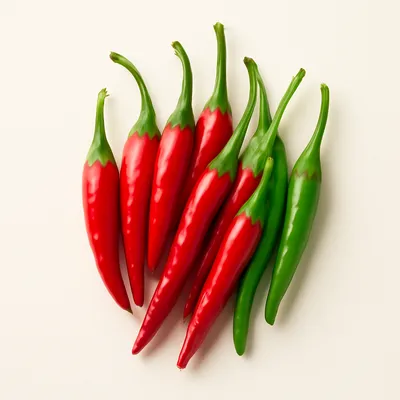




How it's made
10 steps · 35 min active + 1 hour 5 min waiting
- 18 min
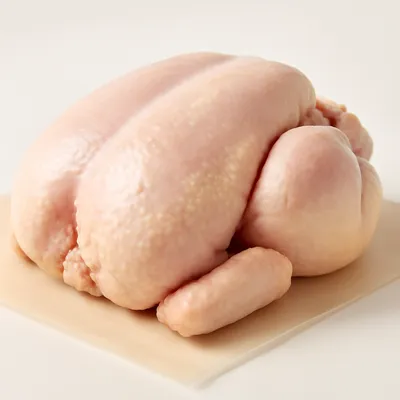
Cut a 1.5 kg chicken into 8 bone-in pieces. Pat dry; season with 1 tsp salt + ½ tsp black pepper.
- 213 min
Pre-grill the chicken: heat a heavy pan or grill over medium-high. Sear the chicken pieces 2-3 min per side to char the skin. Remove and set aside.
Watch outSear the chicken hard until the skin takes on real char and color — that browning builds the deep flavor the braise later pulls into the sauce.
- 310 min
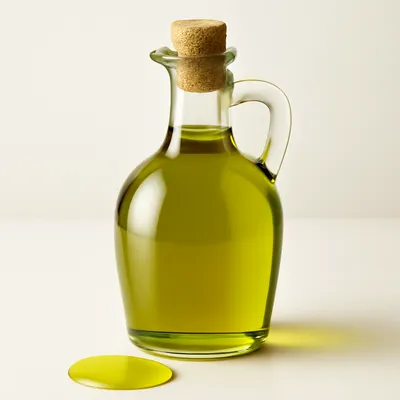
In the same pan with the rendered fat, add 2 tbsp olive oil. Sauté 2 chopped onions + 8 garlic cloves until soft and golden (8 min).
- 42 min
Add 3-4 minced bird's eye chilies + 2 tsp sweet paprika + 1 tsp turmeric. Cook 1 min.
- 59 min
Add 400 g chopped tomatoes; cook 8 min until thickened.
- 64 min
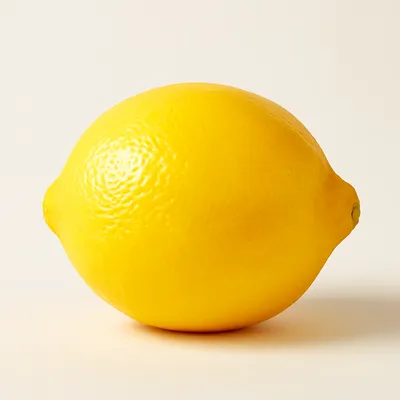
Blend 100 g raw cashews with 200 ml water into a smooth cream. Add to the pan along with 400 ml coconut milk + 1 tsp salt + juice of 1 lemon. Stir.
Watch outBlend the cashews with water until completely smooth before it goes in — any grit and the sauce turns grainy instead of that silky pale-orange cream.
- 741 min
Return the chicken pieces to the sauce skin-side up; tuck them in. Simmer covered on low heat 35-40 min, basting twice. The chicken should be tender; sauce reduced and thickened.
Watch outKeep the braise on low and baste — the coconut and cashew cream should thicken gently; a rolling boil will break it into oil and grit.
- 84 min
Optional final char: transfer the chicken to a hot grill or under the broiler 3-4 min to crisp the skin.
- 92 min
Plate the chicken; spoon the cashew-coconut sauce over. Garnish with chopped parsley.
- 103 min
Serve with white rice or matapa-style greens and extra piri-piri on the side.


