
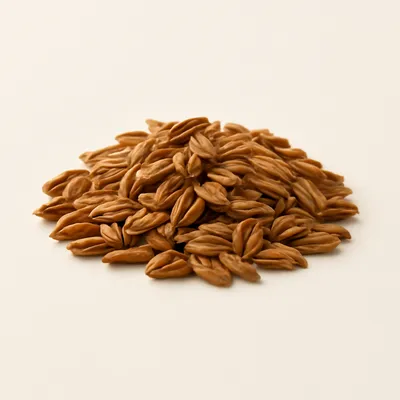
Goan-Mozambican prawn curry — a coconut-tomato curry built on Portuguese-trade-route spices (cumin, coriander, turmeric, garam masala) with the brightness of fresh ginger-garlic and the heat of piri-piri. The prawns are added at the end to stay sweet-tender. Served with basmati rice, fresh coriander, and a slice of lime. The Maputo restaurant classic with Indian-Mozambican roots.





Caril de camarão entered Mozambican cuisine through three centuries of Portuguese-Goa-Mozambique trade. Goan workers built the Beira and Maputo rail lines in the 1880s-1920s, settling and opening curry houses. The technique is recognizably Goan (xacuti-style spice base), but the curry leaves and dried Kashmiri chilies of Goa are replaced by Mozambican piri-piri and coconut. Today the dish is on every Maputo restaurant menu — Cafe Continental in central Maputo has served it since 1952.
Spoon caril de camarão over basmati — the curry is golden-orange, glossy, the prawns pink-and-curled in a thick coconut-tomato sauce. Bite a prawn: sweet, snappy, juicy; the curry coats it in coconut richness, cumin earthiness, coriander citrus, turmeric warmth, piri-piri heat building behind. Mop the sauce with the rice. With a cold Manica beer and a slice of lime to squeeze on, this is the Maputo restaurant classic.
The spice paste is cooked (bhuna technique from India) until the oil separates — this releases fat-soluble flavor compounds from the spices. Coconut milk's high fat allows the curry to simmer without breaking. Prawns must be added at the very end (5-7 min) — capturing their sweet-juicy texture; any longer and they go rubbery. Acid (lime) is added off-heat to preserve fresh aroma.
Variations
Crab caril substitutes shelled crab meat for prawns. White-fish caril uses firm-fleshed white fish (kingklip, kob). Vegetarian caril uses cubed butternut squash + chickpeas. Northern Mozambique style adds 4-6 dried Kashmiri chilies to the spice paste for color. Beira coastal version adds 100 g desiccated coconut for thicker body.
On the Palate
Where Caril de Camarão sits in the Mozambican flavor cloud
Ingredients
Serves 4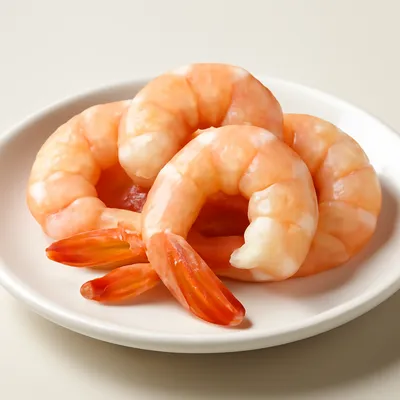




How it's made
9 steps · 35 min active + 25 min waiting
- 116 min
Marinate 600 g peeled prawns with juice of ½ lemon, 1 tsp salt, ½ tsp turmeric. Rest 15 min.
- 27 min
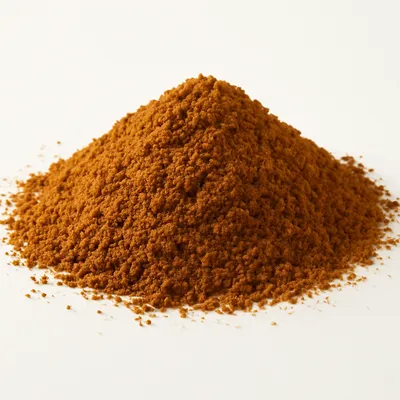
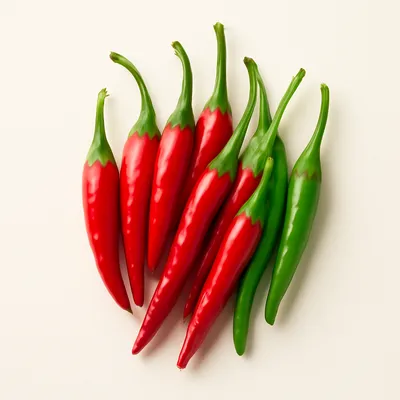
Make spice paste: blend 1 large diced onion + 6 garlic cloves + 2 tbsp grated ginger + 3-4 bird's eye chilies + 2 tsp ground cumin + 2 tsp ground coriander + 1 tsp turmeric + 1 tsp garam masala + 1 tsp sweet paprika + ¼ cup water into a smooth paste.
- 39 min
In a heavy pan, heat 3 tbsp coconut oil over medium heat. Add the spice paste; cook 8-10 min until darkened and the oil separates.
Watch outFry the spice paste until it darkens and the oil beads out at the edges — that oil breaking free is the signal the spices have bloomed; add tomato before it can scorch.
- 49 min
Add 400 g chopped fresh tomatoes (or 1 can crushed); cook 8 min until thickened.
- 59 min
Add 400 ml thick coconut milk + 1 tsp salt + 1 tsp sugar. Stir; simmer 8 min to meld.
- 66 min
Add the marinated prawns; gently fold in. Cook 5-7 min until just pink and curled. Do not overcook.
Watch outFold in the prawns only for five to seven minutes — pull them the moment they turn pink and curl into a C; a hair longer and they go rubbery.
- 71 min
Turn off heat. Stir in 2 tbsp lime juice and a handful of chopped fresh coriander.
Watch outStir in the lime off the heat — adding acid to a boiling curry dulls its fresh, bright aroma.
- 82 min
Taste; adjust salt and acid. The curry should be golden-orange, glossy, and balanced (sweet-spicy-tart-creamy).
- 93 min
Serve over basmati rice with lime wedges and extra coriander on top.


