
Bajan Christmas dish — pigeon peas, guinea corn (millet) flour, salted pork, salted beef, and onion-thyme-scotch-bonnet seasoning slow-cooked together into a thick paste-like mass. A culinary descendant of Scottish haggis adapted by Scots-Irish indentured servants to local ingredients.


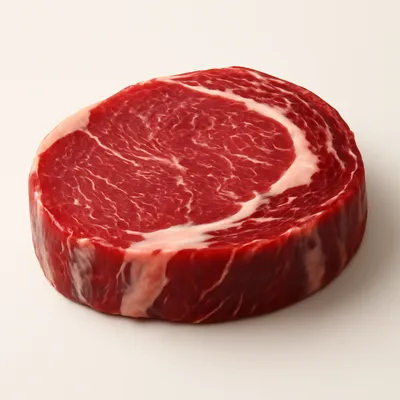


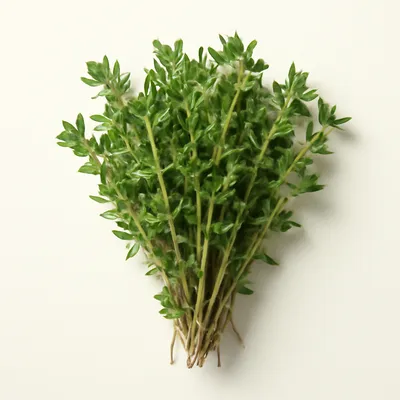
Jug-jug is the Bajan Christmas dish, served alongside roast pork or turkey on Christmas Day. Its origin is the most-storied of any Bajan dish: Scottish indentured servants brought from the Scottish Highlands in the 17th century brought their haggis tradition, then adapted it to use guinea corn (millet) and pigeon peas from the African diaspora pantry. The name 'jug-jug' is reportedly a Bajan pronunciation of 'haggis' or its onomatopoeic-cooking-sound corruption.
Cut a wedge of jug-jug — dense brown-amber paste, structurally firm but moist, dotted with darker bits of cured meat and visible pea fragments, glossy with browning. Bite: deeply savory, the meat-cured-with-time umami front and center; the pigeon peas earthy-creamy; the guinea corn (millet) gives a fine-grit body; the allspice and thyme tie it together with Caribbean warmth. Pair with a slice of roast pork and a forkful of macaroni pie. With a glass of sorrel drink, this is Bajan Christmas dinner.
Pre-boiling the cured meats removes excess salt and tenderizes them. Browning the meats before adding wet ingredients develops Maillard depth. The constant stirring during the final cook prevents scorching and develops the signature paste-like texture (a key textural marker — jug-jug should be sliceable, not soupy). Guinea corn flour absorbs liquid differently than cornmeal; if substituting, reduce liquid slightly.
Variations
Jug-jug with all salt pork (no beef). With added bacon (modern). With fresh peas (when available). With less guinea corn (looser texture). Modern restaurant jug-jug with sage (haggis nod). Jug-jug fritters (deep-fried in patties, leftover use).
On the Palate
Where Jug-Jug sits in the Barbadian flavor cloud
Ingredients
Serves 6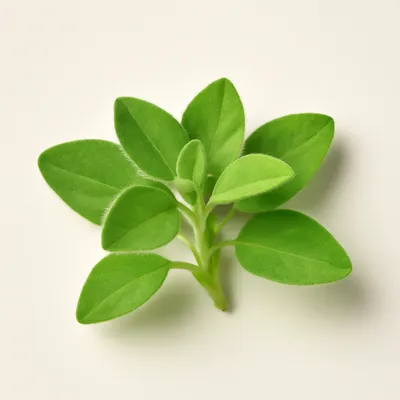
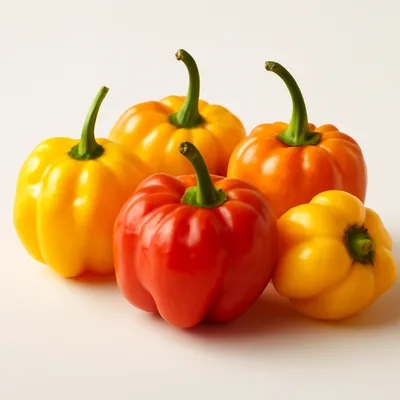



How it's made
11 steps · 1 hour active + 1 hour waiting
- 1480 min
Soak 200 g dried pigeon peas in cold water overnight (or use 500 g canned, drained).
- 242 min
Drain peas; cover with 1 L water; simmer 40 min until very tender. Drain (reserve 250 ml cooking liquid).
- 362 min
In a large pot, simmer 200 g salt pork and 200 g salt beef in 1 L water for 60 min to remove some salt and tenderize. Drain; dice into 1-cm pieces.
Watch outBoil the salt pork and salt beef the full hour and taste the water — it should have pulled out the harshest salt and left the meat tender; drain that briny liquid off.
- 47 min
In a heavy pot, sauté 1 finely chopped onion + 4 sprigs thyme leaves + 2 sprigs marjoram + 2 minced garlic cloves + 1 finely minced scotch bonnet in 2 tbsp butter for 5 min.
- 57 min
Add diced salt pork and salt beef; brown 6 min.
- 65 min
Add cooked pigeon peas, 200 g guinea corn flour (or fine cornmeal as substitute), 250 ml reserved pea liquid, 250 ml water, 2 tbsp browning, 1 tsp ground allspice, 1 tsp dried thyme, 1/2 tsp black pepper.
- 717 min
Cook over low heat, stirring constantly with a wooden spoon, 15-18 min until the mixture thickens to a stiff porridge.
Watch outStir constantly over low heat as it thickens into a stiff porridge — this is where it can scorch on the bottom in seconds, and the nonstop stirring is what gives jug-jug its sliceable paste.
- 81 min
Test consistency: a spoon should stand upright in it.
Watch outTest it by standing a spoon upright in the pot — if the spoon holds, it's thick enough to set and slice; if it slumps, keep cooking.
- 911 min
Spoon into a buttered bowl; level the top; let rest 10 min to firm up.
- 102 min
Turn out onto a plate as a single mound (or slice into wedges).
- 111 min
Serve warm alongside roast pork, roast chicken, or as part of a Christmas plate with macaroni pie and rice.


