


Barbadian
Cou-cou and flying fish on Friday, pudding and souse on Saturday, macaroni pie on Sunday — Mount Gay rum (1703) and three centuries of British-African-Indian-Caribbean fusion in one cuisine.
Cou-cou and Flying Fish
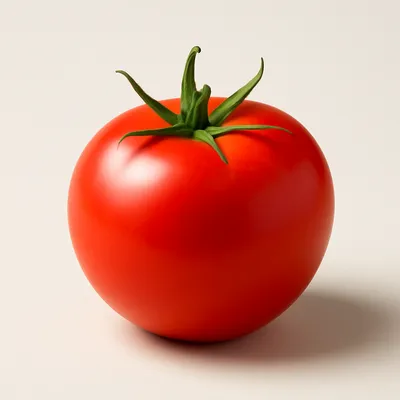
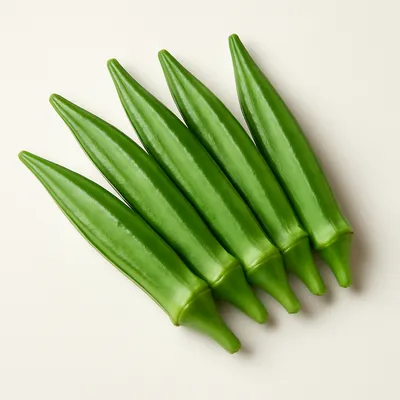
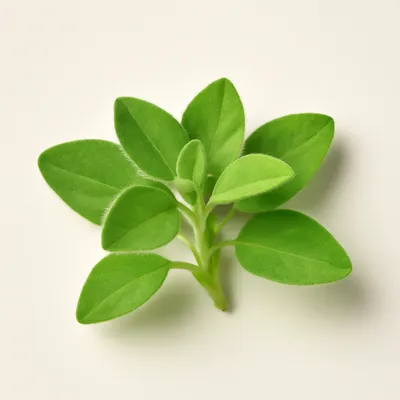
Barbados' national dish — cornmeal cooked with okra and water into a smooth polenta-like mass (cou-cou), plated under one or two flying fish that have been seasoned with Bajan herbs (thyme, marjoram, parsley, onion, garlic), then steamed in a thin tomato-and-onion broth. The cou-cou is shaped by 'turning' with a wooden spurtle; the okra mucilage gives it the signature silky texture. Source: Wikipedia (Cou-cou and flying fish); Barbados Tourism Authority.
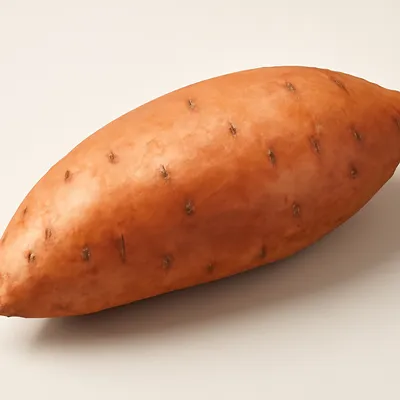
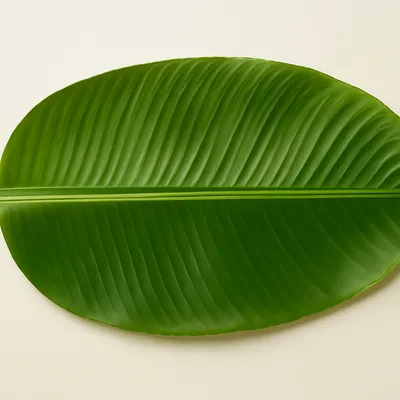
View page →Barbadian (Bajan) cooking is the food of the easternmost Caribbean island, shaped by uninterrupted British colonial rule (1625-1966) and an extraordinarily layered slave-and-indentured-labor history. The national dish is cou-cou and flying fish: cornmeal stirred with okra into a smooth slippery mass, plated under flying fish seasoned with Bajan herbs and steamed in tomato-onion broth. Pudding and souse — the Saturday tradition — is sweet-potato pudding (originally made with pig's blood) paired with souse (pickled pig parts in cucumber-lime brine). Macaroni pie (Bajan baked mac-and-cheese with mustard and ketchup) is the Sunday-lunch fixture. Bajan fish cakes (saltfish fritters with thyme) are the universal snack. Jug-jug — pigeon peas mashed with guinea corn and salted meat — is the Christmas dish, a culinary descendant of Scottish haggis brought by Scots-Irish indentured servants. Conkies (steamed banana-leaf cornmeal-coconut parcels) belong to Independence Day. Barbados is also the birthplace of rum: Mount Gay (1703) is the oldest continuously-operating rum distillery in the world.
The Palate
Start Here
Cornmeal stirred with okra into smooth polenta-like mass, plated under flying fish seasoned with Bajan herbs and steamed in tomato-onion broth.
Why start here · Barbados' national dish (declared post-1966). The flying fish is Barbados' national symbol; the okra-cornmeal pairing is the West African foundation that defines Bajan cooking.
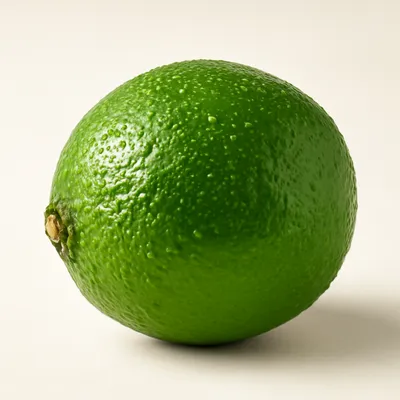
Sweet-potato pudding paired with souse (pickled pork in cucumber-lime brine). Saturday tradition; warm sweet-spiced pudding against cold tangy pickled meat.
Why start here · The most-Bajan Saturday tradition — every Bajan family and rum shop. The temperature-and-flavor contrast is the dish's signature.
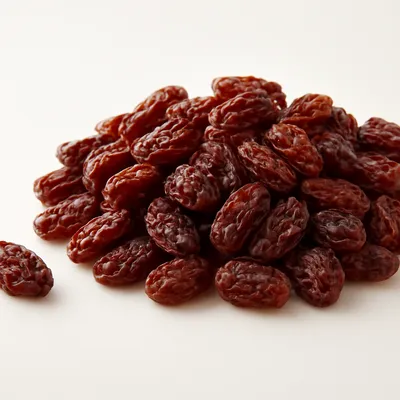
Dense dark fruit cake with prunes, raisins, currants, and mixed peel macerated in Mount Gay rum for weeks; baked and soaked with more rum after.
Why start here · Barbados is rum's birthplace (Mount Gay, 1703). This Christmas-tradition cake is the most-elaborate use of the island's most-important export.
The Pantry


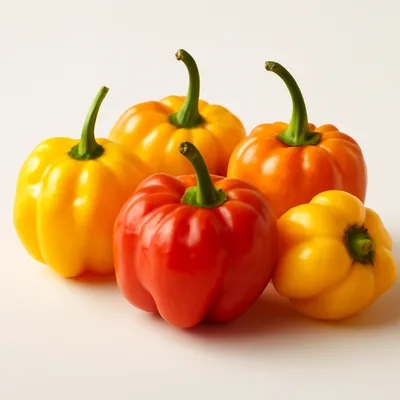
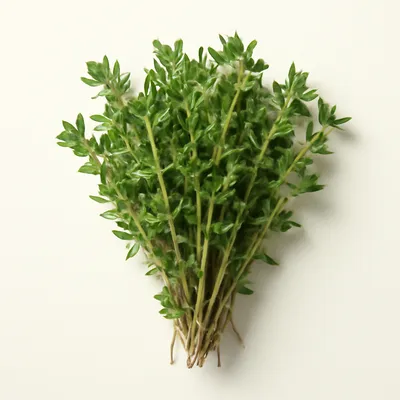



See all 41 ingredients›
Proteins
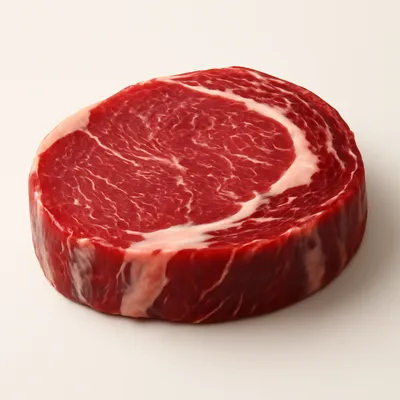

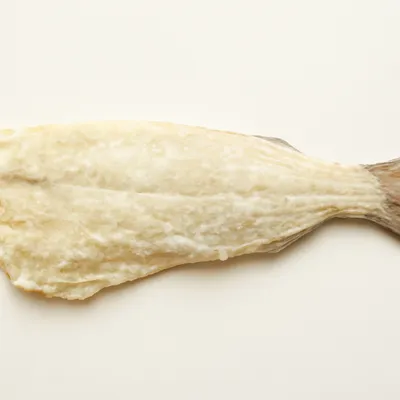









Grains & Staples






On the Map
Where this cuisine is found
Regional Styles
St. Michael (Bridgetown)
The capital parish and the densest population center. Macaroni pie, fish cakes, and the daily Bajan home cooking. Mount Gay rum's distillery is here.
St. Philip and East Coast
The Atlantic east coast where flying fish are caught during the November-June migration. The cou-cou-and-flying-fish heartland.
Rural Parishes (St. Lucy, St. John, St. Andrew)
The agricultural heart where sweet potato, pigeon peas, and guinea corn are grown. Pudding and souse, jug-jug, and conkies — the most-traditional family cooking.
How They Cook
Techniques that define this cuisine


