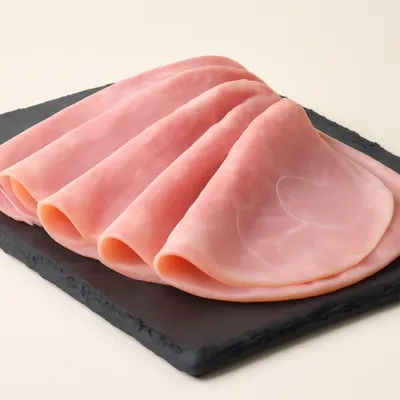
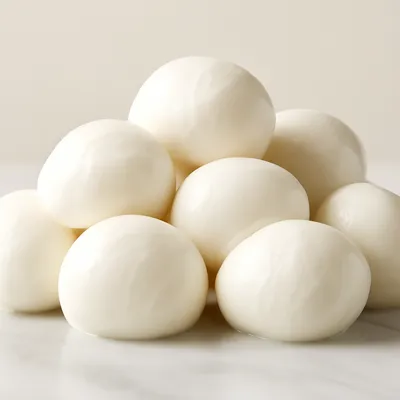
Large round stuffed pasta, like an oversized scalloped-edge ravioli, filled with ham, mozzarella and ricotta and dressed with a rich sauce — most classically salsa rosa (cream and tomato), tuco (meat ragù) or a simple butter-and-sage. Despite the name evoking Sorrento, sorrentinos are an Argentine invention born in the seaside city of Mar del Plata, and a staple of the Sunday pasta lunch.




The story belongs not to Italy but to Argentina's Atlantic coast. In the seaside resort of Mar del Plata, a city built by southern-Italian immigrants from around the Bay of Naples and the Amalfi Coast, two Sorrentine immigrant families — the Pérsicos (whose nonna Rosalía Pérsico is said to have cut the rounds with the rim of a drinking glass) and the Véspolis — are credited with creating these plump round parcels in the early-to-mid twentieth century and naming them 'sorrentinos' as a romantic nod to the Sorrento of their heritage — though no such pasta exists in Sorrento itself. The dish rode the enormous Italian immigration that had reshaped Argentine cooking, and it spread from Mar del Plata across the country to become a beloved fixture of the ritual Sunday family pasta, served gleaming under salsa rosa. So close did the cities grow in the popular imagination that Sorrento and Mar del Plata were twinned as sister cities in 2007.
A forkful gives way with a soft, springy chew of fresh pasta, then floods with warm, milky ricotta and stretchy mozzarella shot through with salty ham. The salsa rosa coats everything in a velvety blush of cream and tomato, sweet and tangy at once, while a dusting of parmesan adds a sharp savoury edge. Each round is generous, almost a dumpling, and richly comforting.
Sealing two sheets around the filling and pressing out all air keeps the parcels from bursting in the boil — trapped air expands and splits the dough. The ricotta in the filling holds moisture and stays creamy under heat, while the mozzarella melts into stretch, giving the classic two-texture interior.
Variations
Salsa rosa is the classic dressing; also served with tuco (meat ragù), bolognese, or burnt butter and sage; fillings vary to spinach-and-ricotta, ham-and-cheese, or pumpkin; some make them with squid ink or spinach dough.
On the Palate
Where Sorrentinos Argentinian sits in the Argentinian flavor cloud
Ingredients
Serves 4

How it's made
8 steps · 50 min
- 140 min
Make a pasta dough from flour, eggs and a little oil and salt; knead until smooth, then rest it wrapped for 30 minutes.
Watch outKnead until the dough springs back and feels smooth, then rest it wrapped — skip the rest and it'll fight you when you roll it thin.
- 28 min
Mix the filling: chopped ham, grated mozzarella, ricotta, a little grated parmesan, nutmeg, salt and pepper.
- 38 min
Roll the dough into thin sheets and lay one sheet over a round sorrentino mould (or work freehand on a floured board).
- 410 min
Place spoonfuls of filling at intervals, brush the dough between them with water or egg wash, and lay a second sheet on top.
- 58 min
Press firmly around each mound to seal out air, then cut into large rounds with a fluted cutter.
Watch outPress out every bit of trapped air around each mound — an air pocket expands in the boil and splits the parcel open.
- 612 min
Meanwhile build the sauce — gently warm cream with tomato passata, garlic and a pinch of sugar for salsa rosa.
- 76 min
Boil the sorrentinos in well-salted water for 4-6 minutes until they float and the edges are tender.
Watch outThey're done a moment after they bob to the surface and the edges go tender — 4 to 6 minutes; boil them hard and the seams burst.
- 83 min
Drain gently and fold through the warm sauce; serve at once with grated cheese.