
A pungent fruit condiment from Cremona in Lombardy, made of whole or large pieces of candied fruit — typically cherries, pears, figs, apricots, clementines and pumpkin — suspended in a clear, syrupy mustard-flavoured glaze. The fruit keeps its shape and glassy translucence while the syrup carries a sharp, nose-tingling mustard heat. It is a preserve, not a sauce, and is the classic accompaniment to bollito misto and other boiled meats, as well as roast meats and aged cheeses.

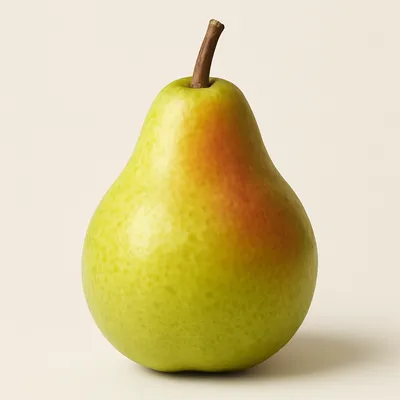



The name «mostarda» comes from «mosto», grape must, and ultimately from the Latin «mustum ardens» — «burning must» — pointing to early versions in which fruit was cooked down in must and made hot with mustard. Mostarda di Cremona, the most famous of the regional Italian mostarde, became a celebrated product of the city by the 19th century and remains tied to it commercially today. Its sharpness is the work of mustard essence: it is one of the traditional partners of bollito misto, the northern Italian dish of mixed boiled meats served at Christmas and other feasts. Unlike the milder fruit-purée «mostarda mantovana», the Cremona style is defined by whole fruit and an assertive mustard bite.
The first impression is sweet and floral, like fine candied fruit, the flesh yielding but still holding its shape with a glassy bite. A beat later the mustard arrives — not on the tongue but high in the nose, a sharp wasabi-like sting that clears the sinuses and then fades. The syrup is thick and clinging. Set against a slice of rich boiled brisket or tongue, the sweetness and heat cut the fat; eaten alone, a single piece can be startlingly fierce.
Two preserving forces are at work. First, the fruit is candied — steeped and gently cooked in sugar syrup over days so that sugar slowly replaces the water in the cells, which firms the flesh and makes it translucent while protecting it from spoilage. Second comes the mustard: a few drops of mustard essential oil — chemically allyl isothiocyanate, the same volatile compound that gives mustard, horseradish and wasabi their pungency — are stirred into the cooled syrup. Because allyl isothiocyanate is volatile and heat-sensitive, it is added cold and the jars are sealed; cooking it off would blow away the very heat that defines the condiment.
Variations
Italy has many regional mostarde. Mostarda mantovana, just across the provincial line, is usually made from a single fruit — apple or quince — and ground to a softer, often coarse purée. Mostarda vicentina and others use varied fruit and sweetness. Within the Cremona style itself the fruit mix shifts with what is candied, but whole pieces and a strong mustard kick are constant. Sweeter, milder commercial versions exist for cheese boards; the traditional condiment is fiercer and made for bollito misto.
On the Palate
Where Mostarda di Cremona sits in the Italian flavor cloud
Ingredients
Serves 12

How it's made
7 steps · 1 hour 30 min
- 120 min
Choose firm fruit — pears, cherries, figs, apricots, clementines, a wedge of pumpkin — leaving small fruit whole and cutting larger fruit into big pieces.
- 210 min
Blanch firmer fruit briefly so it softens slightly without losing its shape.
- 330 min
Make a sugar syrup, add the fruit, bring to a gentle simmer, then take off the heat and leave to steep overnight.
- 460 min
Over the next two to three days, drain off the syrup, reheat it, pour it back over the fruit and steep again, so the sugar concentrates and candies the fruit.
Watch outOver two or three days, drain, reheat and re-pour the syrup each time until the fruit turns glassy — rush it and the flesh stays watery and spoils.
- 530 min
Once the fruit is glassy and the syrup thick, let everything cool completely.
- 610 min
Stir a few drops of mustard essential oil into the cold syrup, tasting cautiously, until the heat is pronounced but not overwhelming.
Watch outStir the mustard oil into the fully cooled syrup only, tasting cautiously — it's volatile, so heat drives off its pungent bite entirely.
- 715 min
Pack the fruit and syrup into sterilised jars, seal, and let the flavour mature for a few days before serving with boiled meats.
Archive tool suggestions — not reviewed
These legacy suggestions have not been evidence-reviewed and are not presented as required tools.


