A side dish of corn sautéed with peppers and onions.
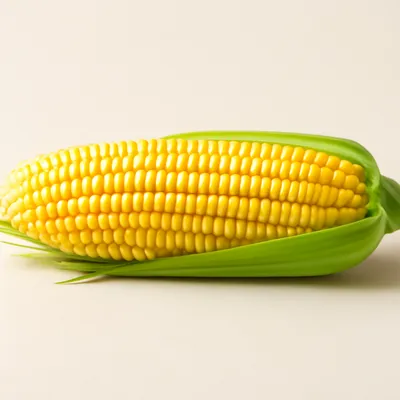


A side dish of the Cajun and Creole table, generally regarded as a meeting of French-descended and Native American cooking. In the 18th century the Acadian French (the future Cajuns), who had migrated to Louisiana from Nova Scotia, learned to cook corn from the Houma, Atakapa and other indigenous peoples, and this dish of fresh corn smothered down with the cob's milky starch grew out of that exchange. Its name, however, is genuinely unsettled. "Choux" is French for cabbage, but the full phrase makes no literal sense in French, and several competing etymologies circulate: a derivation from the Spanish "machica" (a toasted corn meal); from the French "moque-chou," meaning "mock cabbage" (perhaps hinting that an early version used cabbage); from "maigre-chou," a "thin/poor vegetable"; or a French rendering of a Native term. No theory is settled — only the blend of French, Spanish and Native American roots is clear. Cajun farmers cooked it in late summer when sweet corn peaked and the cob's milky starch was at its richest.
18th-century Cajun adaptation of a Houma and Atakapa corn-and-pepper dish — the name 「maque choux」 makes no literal sense in French (「fake cabbage」), confirming Native origin. Scrape the cob with the back of the knife after kernels come off — that 「corn milk」 is what thickens the dish.
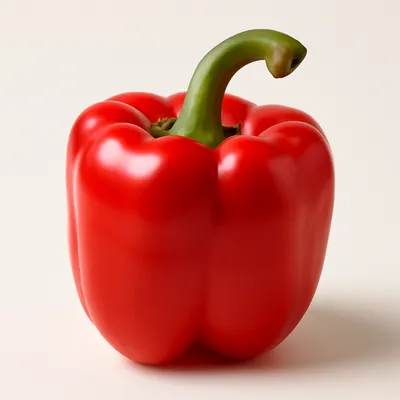
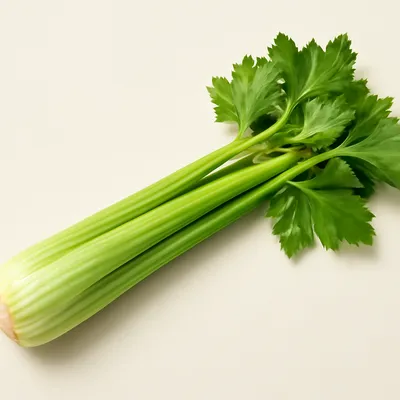
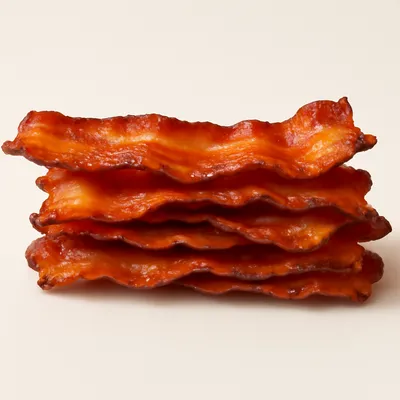
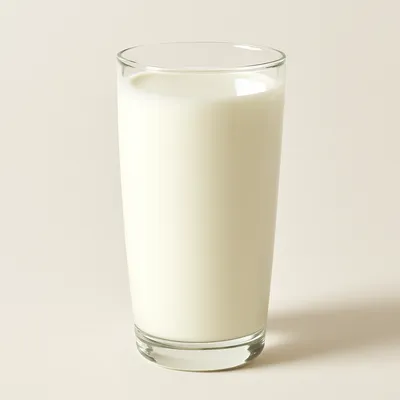
Sweet corn kernels scraped straight off the cob, smothered with diced onion, bell pepper, and celery — the Cajun holy trinity. Bacon fat or butter slicks the pan; a splash of cream finishes it. Eats like a vegetable side that thinks it's a stew. Done right, the milky liquid from scraped cobs glazes everything; if it tastes like buttered canned corn, no one bothered to scrape.
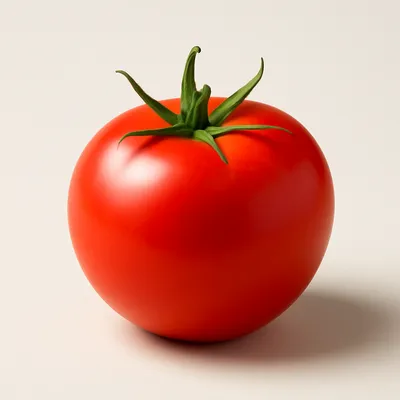
The trick is scraping the cob after kernel removal — the back-of-knife scrape extracts the starchy "corn milk" that thickens the dish without flour. Tomato is optional and divides cooks: Acadiana traditionalists leave it out (corn-forward); New Orleans Creole versions add it for color and acid. Frozen kernels can't replicate the milk and the dish goes thin.
Variations
Acadiana traditionalists leave tomato out (corn-forward); New Orleans Creole versions add it for color and acid; coastal Houma cooks add shrimp and call it maque choux aux crevettes.
On the Palate
Where Maque Choux sits in the Cajun flavor cloud
Ingredients



How it's made
4 steps · 25 min
- 15 min
Melt butter in a large skillet over medium heat. Add diced onions, bell peppers, and garlic, sautéing until the onions are translucent and fragrant.
Watch outCook the trinity in the butter until the onion goes translucent and the whole pan smells sweet and savory — that's the flavor base set.
- 25 min
Add the corn kernels and diced tomatoes to the skillet. Stir well to combine with the other vegetables.
Watch outThis is where the scraped cob milk goes in with the kernels — stir it through so that starch coats everything and starts to thicken.
- 310 min
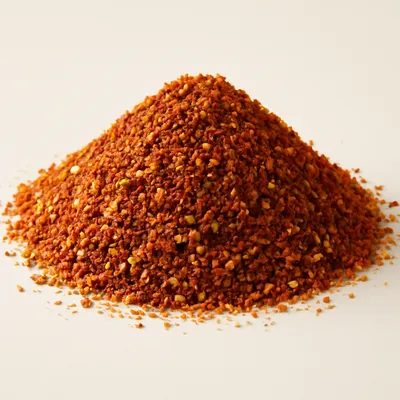
Season the mixture with Cajun seasoning, stirring to evenly coat the vegetables. Cook until the corn is tender and the flavors meld.
Watch outTaste for seasoning as the Cajun seasoning can vary in saltiness.
- 45 min
Continue to cook, stirring occasionally, until the liquid has reduced and the mixture reaches a slightly thickened consistency.
Watch outIt's ready when the liquid has cooked down to a loose creamy coating that clings to the corn, not a puddle in the pan.
Archive tool suggestions — not reviewed
These legacy suggestions have not been evidence-reviewed and are not presented as required tools.