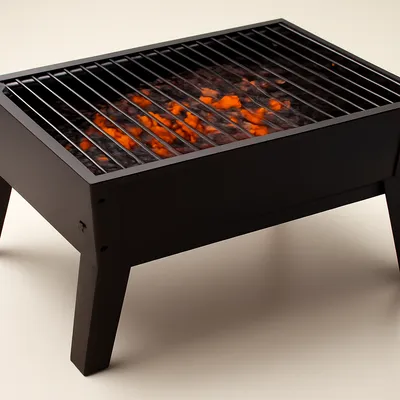
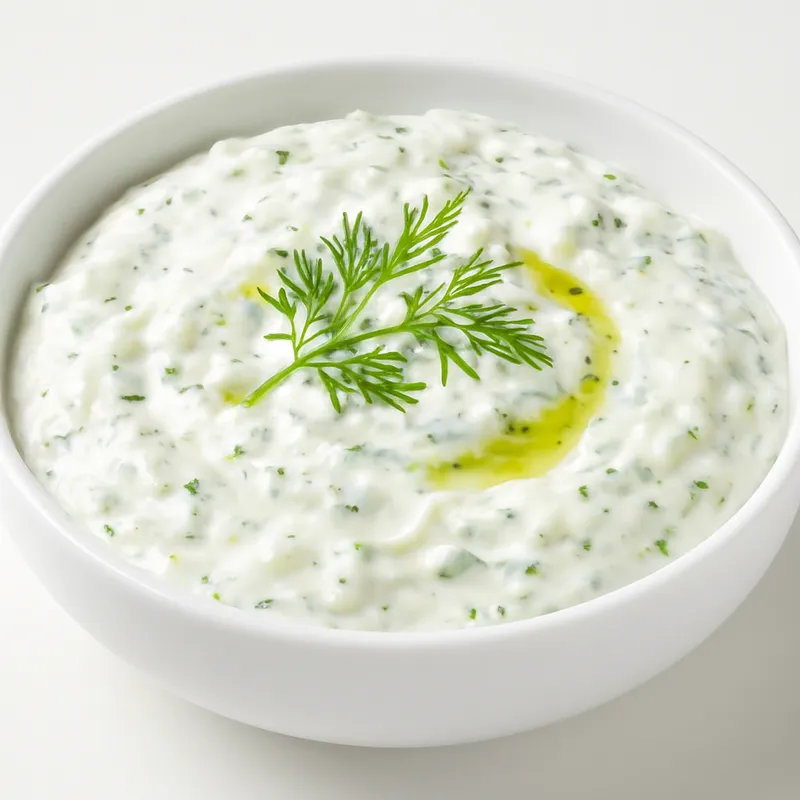
A coarse-ground pork sausage seasoned with dried orange peel and fennel and coriander seed, the combination that sets it apart from every other European sausage. Garlic, red wine, and oregano round it out; some regions add leek or a touch of cinnamon. It is sliced and pan-fried or grilled and served as a meze, often with a squeeze of lemon. The orange-and-fennel perfume is unmistakable and is what makes a Greek sausage Greek.
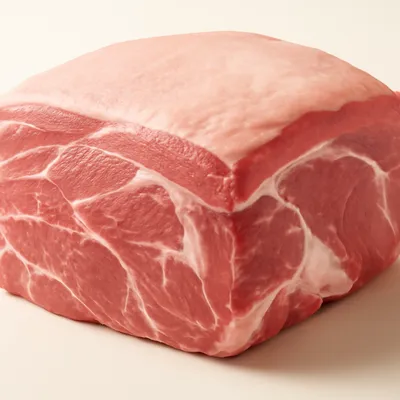



The Greek word loukaniko descends from the Latin lucanica, a sausage of the ancient Roman world named for the region of Lucania in southern Italy; the word has been used in Greek for sausage since antiquity. In the traditional Greek farm economy the pig was the principal meat animal, fattened on scraps, and sausage-making was a key way to preserve its meat through the year. What distinguishes loukaniko from its Roman ancestor and its Balkan cousins is the seasoning: dried orange peel and fennel seed, with coriander, garlic, and red wine. The use of orange zest is strongest in southern Greece, especially the citrus-rich Peloponnese, while northern versions lean on leek; this regional split is well documented across Greek sausage traditions.
Sliced into thick coins and seared, the casing crisps and splits while the coarse meat inside stays juicy and a little chewy. The first thing you taste is the warm bitterness of orange peel, then the sweet-anise lift of fennel and the citrusy spice of coriander, all over the savoury pork and a whisper of red wine. A squeeze of lemon over the hot slices is standard. Good loukaniko is coarsely ground so you can see and feel the texture of the meat, not a smooth emulsified paste.
A good sausage depends on the fat-to-lean ratio (around 20-30% fat) and on the meat staying cold throughout grinding and mixing; if the fat warms and smears, it renders out during cooking and leaves the sausage dry and crumbly. Mixing the ground meat with the seasonings until it turns sticky develops the myosin proteins that bind the sausage into a cohesive bite rather than loose crumbles. The orange peel and fennel are usually dried and toasted to deepen their aroma before grinding in. Stuffed loukaniko is traditionally hung to dry and firm for a day or more, and is sometimes lightly smoked, which both preserves it and adds flavour.
Variations
Southern and Peloponnesian loukaniko leans hardest on orange and is often called loukaniko Peloponnisou; northern and Thessalian versions fold in chopped leek and sometimes a hint of cinnamon. Mt. Pelion sausages use a beef-and-pork mix with onion and pepper flakes. Some are made fresh and cooked at once, others cured and smoked for keeping; a few regions use lamb in place of or alongside pork.
On the Palate
Where Loukaniko sits in the Greek flavor cloud
Ingredients
Serves 6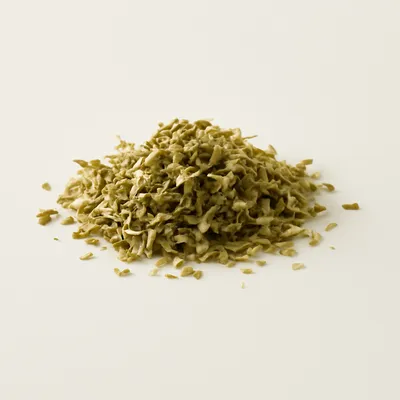

How it's made
6 steps · 1 hour 30 min
- 120 min
Cut 1kg pork shoulder (with its fat) into chunks, keep very cold, and coarsely grind.
Watch outKeep the pork and its fat ice-cold right through grinding — if the fat warms and smears, it renders out while cooking and leaves the sausage dry and crumbly.
- 210 min
Mix the ground pork with toasted fennel seed, ground coriander, dried orange peel, minced garlic, oregano, salt, pepper, and a splash of red wine.
- 315 min
Knead the mixture until it turns sticky and cohesive, then chill.
Watch outKnead the seasoned meat until it turns sticky and tacky to the touch — that's the myosin binding, and it's what gives a cohesive bite instead of loose crumbles.
- 420 min
Stuff into natural casings and twist into links; prick out any air pockets.
- 5720 min
Hang in a cool place to dry and firm for at least 12 hours (optional but traditional).
- 610 min
Slice and pan-fry or grill over medium heat until browned and cooked through; serve hot with lemon.
Archive tool suggestions — not reviewed
These legacy suggestions have not been evidence-reviewed and are not presented as required tools.