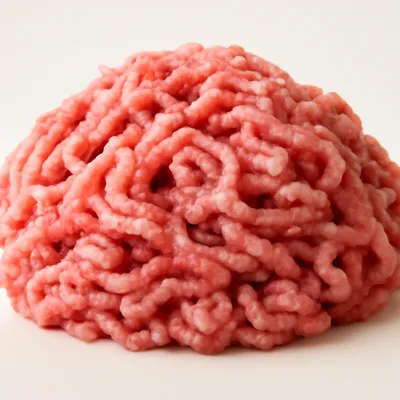
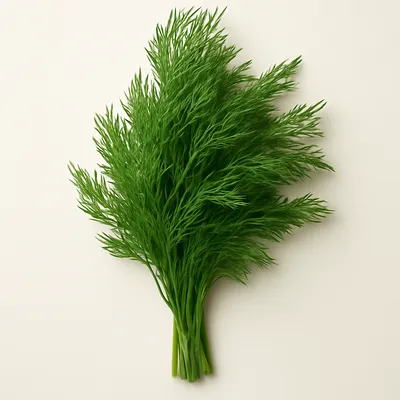
Cha ruoi is a Hanoi delicacy made from ruoi, a seasonal marine ragworm of the Red River Delta, beaten into egg with minced pork, dill, spring onion and a signature scrape of tangerine peel, then pan-fried into a soft, rich fritter. The worms melt into the egg, leaving a custardy, faintly briny richness that admirers liken to a mild caviar. Because ruoi surface for only a few days each autumn, the dish carries the prestige and scarcity of a true seasonal treat.



Cha ruoi is rooted in the Red River Delta and the northern coastal provinces, where the ruoi (the polychaete ragworm Tylorrhynchus heterochaetus) rises from the brackish paddy mud during its brief autumn breeding swarm, traditionally in the ninth and tenth lunar months. The season lasts only days, and a Vietnamese saying — about things as fleeting as the ruoi tide — preserves the proverbial brevity. Catches are rushed to Hanoi, where the dish is a celebrated cold-season speciality of the Old Quarter. The defining tangerine-peel note is no garnish: its aromatic oils are thought to settle the rich, oily worm and guard a sensitive stomach.
The fritter comes to the table sizzling, its edges lacy and browned, the centre still soft. The texture is closer to a loose, custardy omelette than to firm cake; the ruoi dissolve completely, leaving only a deep, faintly oceanic richness behind the egg and pork. Dill and spring onion cut the fat with a green lift, and the tangerine peel surfaces as a clean citrus high note. Eaten hot with herbs and nuoc cham, it is unctuous, savoury, and unlike anything else in the Hanoi kitchen.
The worms are first cleaned and blanched in hot water, which loosens and removes the fine bristles before they go into the batter. Beaten with egg and a modest amount of minced pork, the ruoi break down under heat into the surrounding egg, which is why the finished fritter reads as custardy rather than chunky — the protein-rich worm thickens and enriches the egg much as extra yolk would. Frying is done gently in a generous slick of oil so the outside crisps and laces while the inside stays just set and soft. The classic aromatics — dill, spring onion, tangerine peel, sometimes a pinch of la lot or chili leaf — both flavour the batter and counter the richness.
Variations
Beyond the fried fritter, ruoi is also made into mam ruoi, a fermented worm paste used as a pungent seasoning, and into nem ruoi or braised ruoi with radish. Within cha ruoi itself, cooks differ on the pork-to-worm ratio and on whether to fry one large cake to portion or many small fritters; some add la lot or chili leaf alongside the dill. Whatever the form, the autumn tangerine peel is treated as essential.
On the Palate
Where Cha Ruoi sits in the Vietnamese flavor cloud
Ingredients
Serves 4
How it's made
7 steps · 30 min active + 10 min waiting
- 18 min
Rinse the ruoi gently, then blanch briefly in hot water and stir to shed the fine bristles; drain.
Watch outBlanch the ruoi briefly and stir to shed the fine bristles — skip this and the bristles stay, gritty in the finished fritter.
- 25 min
Beat eggs with minced pork, chopped dill, spring onion, fish sauce and pepper.
- 34 min
Fold in the ruoi and a generous scrape of finely chopped tangerine peel.
- 43 min
Heat a generous film of oil in a pan over medium heat.
- 56 min
Pour in the batter and fry slowly until the underside is lacy and golden.
Watch outFry slowly in a generous film of oil until the underside laces golden — the worm protein thickens the egg into a custardy set, so keep the heat gentle.
- 65 min
Turn carefully and finish the second side, keeping the centre soft.
- 74 min
Serve hot, cut into pieces, with herbs and a bowl of nuoc cham.


