Pacific Northwest crab cakes built on sweet, snowy meat from the Dungeness crab, bound with only as much egg, mayonnaise, and breadcrumb as it takes to hold a patty together, then pan-seared until the outside is golden and the inside stays loose and crab-forward. The whole point is restraint: where some crab cakes lean on filler and seasoning, this one keeps the binder minimal so the delicate, faintly sweet Dungeness meat dominates every bite. Served simply with lemon and an herbed mayonnaise or remoulade. It is the West Coast counterpoint to the better-known Maryland blue-crab cake.
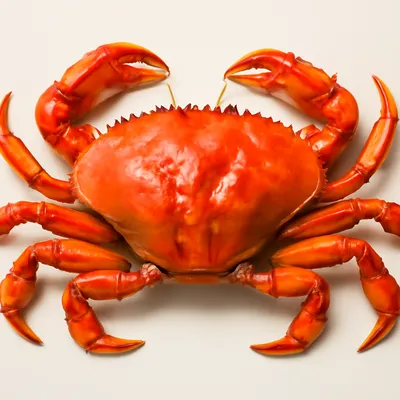


The dish takes its name and character from the Dungeness crab (Metacarcinus magister, formerly Cancer magister), which ranges from the Aleutians down to California and is prized for sweet, delicate flesh. The crab is named for Dungeness, Washington, a small community and the spit of sand on the Strait of Juan de Fuca where the first commercial harvest of the species took place — the fishery dates to 1848 and is often called the oldest shellfish fishery of the North Pacific coast. The place name itself was given in 1792 by the British navigator George Vancouver, who thought the low sandy point resembled Dungeness on the English Channel and recorded it as New Dungeness. Crab cakes as a form are American and most associated with the Chesapeake; the Pacific Northwest version is a regional adaptation that swaps in the local Dungeness and, true to the West Coast's lighter hand, dials the binder and spicing back so the crab leads.
It breaks open to big, intact lumps of crab rather than a dense paste — the meat reads as sweet, briny, and almost buttery, with the faint mineral note that marks Dungeness. The seared crust gives a thin, crisp resistance that yields immediately to a soft, barely-bound interior. There is just enough egg and crumb to register as structure, never as bread; the herbs and a squeeze of lemon brighten without competing, and the mayonnaise or remoulade adds a cool, tangy slick alongside.
A crab cake lives or dies on the ratio of binder to meat. Dungeness is lean and the lumps are large and fragile, so the goal is to use the least egg and mayonnaise that will still gel on heating and glue the meat together — too much and you get a dense, eggy patty that tastes of filler. Egg proteins and the emulsified oil in mayonnaise set as they cook, forming a soft matrix around the crab; a small amount of panko or fresh crumb absorbs surface moisture so the cakes brown rather than steam, and chilling the formed cakes for half an hour firms that matrix and helps them survive the flip. The sear itself drives the Maillard reaction — amino acids and reducing sugars on the surface browning above roughly 150°C (300°F) to build the nutty, savory crust — while the interior stays just hot enough to set without drying the delicate meat. Fold, don't mash: overworking shreds the lumps and the cake loses the very texture that distinguishes it. Cook in a hot pan with butter or oil, turning only once.
Variations
Binders and aromatics vary widely: some cooks use only egg yolk and a spoon of mayonnaise, others add a little Dijon, Worcestershire, or a touch of Old Bay (a nod to the Chesapeake), and minced green onion, chives, or parsley are common. Panko gives a lighter, crisper crust than fine dry crumb; some skip the crumb in the mix entirely and only coat the outside. The cooking method ranges from pan-searing in butter to a quick broil or deep-fry. Sauces span lemon aioli, herbed mayonnaise, remoulade, or a simple squeeze of lemon. Crab and avocado, or a small green salad, are the usual plates alongside.
On the Palate
Where Dungeness Crab Cakes sits in the American flavor cloud
Ingredients
Serves 4

How it's made
7 steps · 25 min
- 18 min
Drain the Dungeness crab meat well and pick through it by hand for any fragments of shell or cartilage, keeping the lumps as whole as you can.
- 24 min
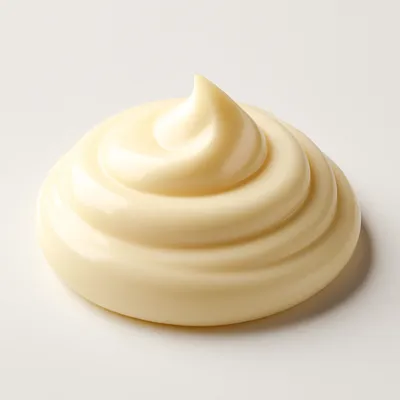
In a bowl, whisk the egg with mayonnaise, a little Dijon, the minced green onion, lemon zest, salt, and pepper to make the binder.
- 33 min
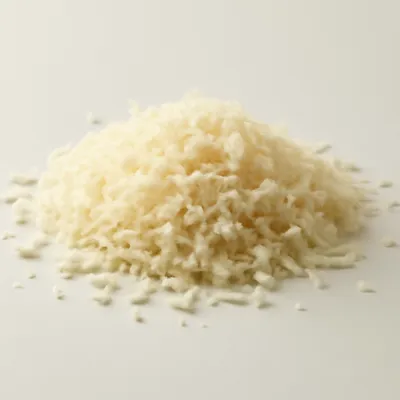
Add the crab and a small handful of panko, then fold gently with a spatula until just combined — do not mash or overmix.
Watch outFold in just enough panko and egg to barely hold, and stop the moment it comes together — mash it and you get a dense, filler-tasting patty.
- 430 min
Shape into 6 to 8 loose patties, set them on a tray, and chill in the fridge for about 30 minutes to firm up.
- 52 min
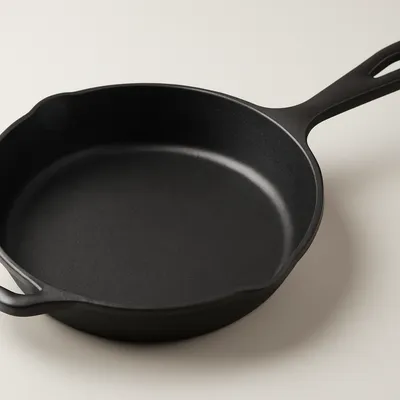
Heat butter and a little oil in a skillet over medium-high until shimmering.
- 68 min
Lay the cakes in the pan and sear undisturbed for 3 to 4 minutes until a deep golden crust forms, then flip once and cook the second side 3 to 4 minutes more.
Watch outSear undisturbed until a deep golden crust forms before you flip — move it early and the crust tears and the cake falls apart.
- 72 min
Drain briefly on paper, then serve hot with lemon wedges and herbed mayonnaise or remoulade.
Archive tool suggestions — not reviewed
These legacy suggestions have not been evidence-reviewed and are not presented as required tools.