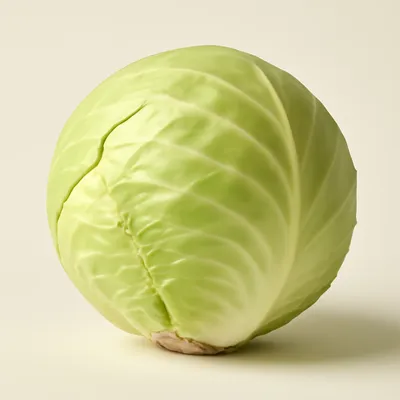
The Indonesian take on egg foo young: a fluffy omelette of beaten egg folded with crabmeat or shrimp, shredded carrot, cabbage and spring onion, fried until set and golden at the edges, then blanketed in a glossy sweet-and-sour red sauce. The sauce — built on tomato, sugar and vinegar and thickened with cornstarch — is what marks it out from a plain omelette, giving the dish its tangy, ketchup-bright finish. It is a fixture of Chinese-Indonesian restaurants and is eaten as a main with rice.




Fu yung hai descends from fu yung egg dishes of southern Chinese cooking, carried to Indonesia by Chinese immigrants and, like much of the Tionghoa-Indonesian repertoire, reshaped to local taste. The sweet, tomato-forward red sauce is the local signature — far heavier on tomato and sugar than any Cantonese original — and is closely paralleled by the Westernized 'egg foo young' served in overseas Chinese restaurants elsewhere, suggesting a shared diaspora habit of pairing the omelette with a thick sweet-sour gravy. The dish carries no documented single inventor; it is best understood as a settled fusion rather than a fixed recipe.
The omelette is light and airy inside, a little crisp and lacy where the egg met the hot oil, with sweet flecks of crab or shrimp and a faint crunch from the carrot and cabbage running through it. Then the sauce takes over: thick and slippery, bright red, sweet first and sour just behind, glossy enough to coat the back of a spoon. Cut a wedge, drag it through the pooled sauce, and eat it with a forkful of plain rice to balance all that tang.
Beating air into the eggs and frying them in hot oil is what gives the omelette its puffed, slightly crisp body — the egg proteins set fast around the trapped air before it can escape, holding the lift. The vegetables are cut fine so they cook in the same brief time as the egg. The sauce is a classic sweet-and-sour: tomato (often with a little ketchup), sugar and vinegar are simmered, then a cornstarch slurry is whisked in, and the swelling starch granules turn the thin liquid into a clear, clinging glaze. The sauce is poured over only at serving so the omelette keeps its edge rather than going soggy.
Variations
The protein varies — crab, shrimp, minced chicken, or a mix; some versions are nearly all egg with just vegetables. The sauce ranges from a deep tomato-red to a paler version, and its sweet-to-sour balance shifts cook to cook. A few kitchens add peas or sweetcorn to the sauce for colour and bite. The omelette can be made as one large round to be sliced, or as smaller individual patties.
On the Palate
Where Fu Yung Hai sits in the Indonesian flavor cloud
Ingredients
Serves 3


How it's made
8 steps · 20 min
- 18 min
Pick over the crabmeat or peel and chop the shrimp; finely shred the carrot, cabbage and spring onion.
- 23 min
Beat the eggs well with a little salt and white pepper until frothy, then fold in the seafood and vegetables.
- 32 min
Heat a generous amount of oil in a frying pan over medium-high heat.
- 44 min
Pour in the egg mixture and fry, spooning hot oil over the top, until the underside is golden; flip and set the other side.
Watch outFry in plenty of hot oil, spooning it over the top so the egg puffs and sets fast around the trapped air — a cool pan gives a flat, dense omelette.
- 51 min
Lift out the omelette and drain on paper; keep warm.
- 63 min
For the sauce, sauté a little garlic, then add tomato, ketchup, sugar, vinegar, a pinch of salt and water and bring to a simmer.
- 71 min
Stir in a cornstarch slurry and cook until the sauce turns clear and glossy.
Watch outStir in the cornstarch slurry and cook just until the sauce turns clear and glossy — that's when the starch has set the glaze; pour it over only at serving so the omelette stays crisp.
- 81 min
Set the omelette on a plate, pour the hot sauce over, and serve at once with steamed rice.


