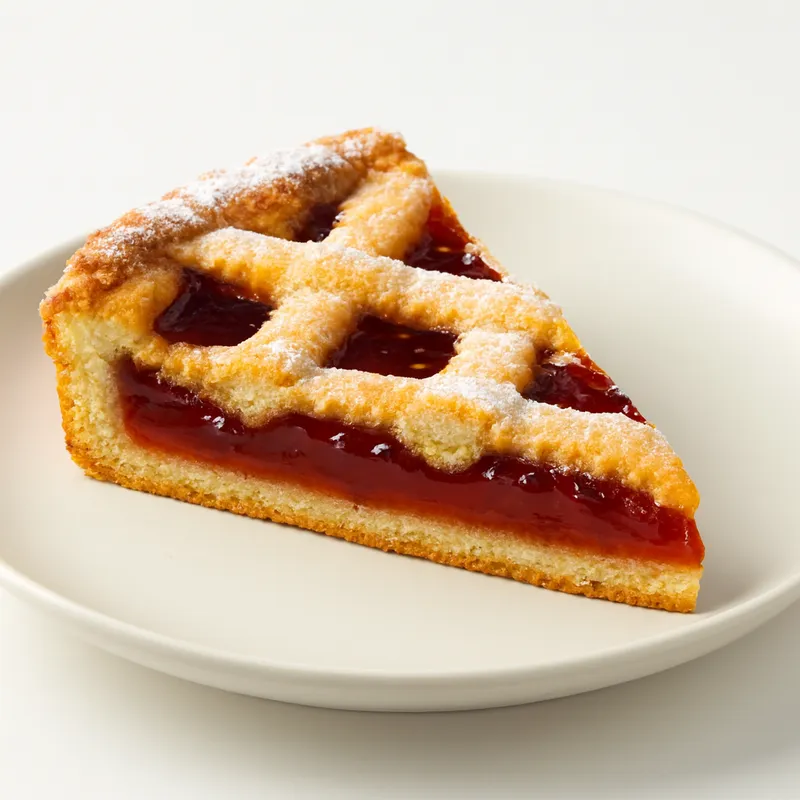
A lattice-topped tart filled with sweet quince paste, infused with lemon zest and vanilla.




An Argentine adoption of the Italian crostata, brought by Genovese and Neapolitan immigrants between roughly 1880 and 1930 — the great wave of southern-Italian migration to Buenos Aires. The quince filling was already a Spanish-Mediterranean preserve tradition; pasta frola is what happened when Italian short-pastry technique met the existing local pantry of dulce de membrillo and dulce de batata.
Italian crostata reread by Genovese and Neapolitan migrants between 1880 and 1930. The pastry is pasta frolla — cold butter rubbed into flour and bound with egg yolk only, which is what gives the sandy crumble. Whole egg makes it tougher.
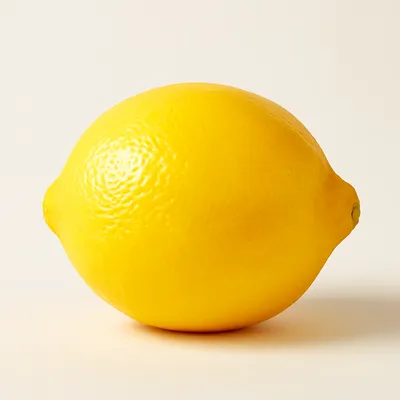
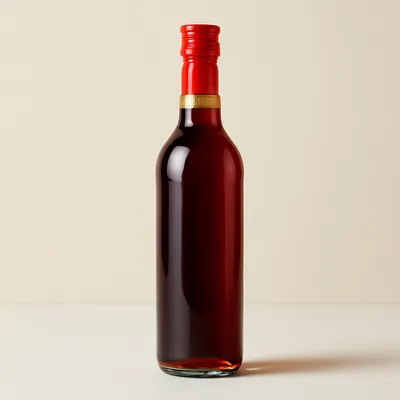
A flat, open-faced tart in a low pan: short-pastry base, a thick layer of quince paste (dulce de membrillo) softened with lemon and a splash of port or vermouth, topped with a lattice of the same pastry. The pastry is sandy and slightly sweet from vanilla; the quince layer is dense, jammy, almost tacky. Served at room temperature with mate, cut into squares.
The pastry is pasta frolla — Italian short crust with butter rubbed cold into flour and bound with egg yolk, not a French pâte sucrée with creamed butter. The yolk-only bind is what gives the sandy, crumbly texture; using whole egg makes it tougher. The quince layer should be loosened with citrus and a spoon of liqueur before spreading; straight from the block it's too stiff and dries out the bake.
Variations
Pasta frola de membrillo (quince paste, the canonical filling); de batata (sweet potato paste, often layered with chocolate baked into the tart, sometimes with chopped walnuts); de dulce de leche (less traditional but common); Italian crostata di marmellata is the parent dish, with apricot or fig instead.
On the Palate
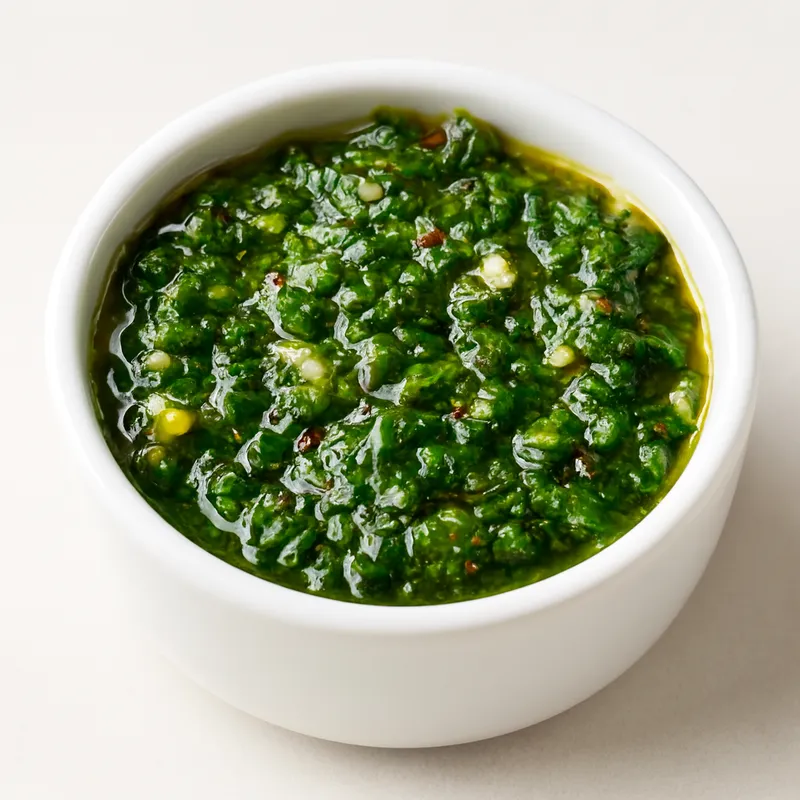
Where Pasta Frola sits in the Argentinian flavor cloud
Ingredients



How it's made
6 steps · 1 hour 30 min
- 13 min
Combine flour, sugar, and butter until crumbly.
Watch outRub cold butter into the flour just until it looks like coarse sand — the moment it clumps into a ball you've overworked it and lost the crumbly texture.
- 25 min
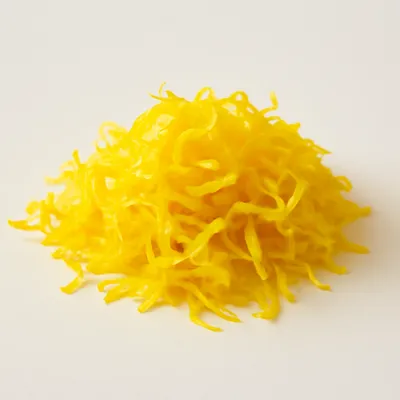
Add egg yolk, lemon zest, and vanilla to form dough.
- 35 min
Press a portion of the dough into a tart pan.
- 45 min
Spread quince paste over the base.
Watch outLoosen the quince paste with citrus and a spoon of liqueur before spreading — straight from the block it's too stiff and dries the bake out.
- 54 min
Roll out remaining dough and cut into strips to create a lattice top.
- 625 min
Bake until the crust is golden and crisp.
Watch outPull it when the lattice is golden and the crust turns sandy-crisp — the yolk-bound short crust browns fast at the edges, so watch the last few minutes.
Archive tool suggestions — not reviewed
These legacy suggestions have not been evidence-reviewed and are not presented as required tools.