A Jiangxi banquet showpiece from the lotus-growing county of Guangchang: plump white lotus seeds steam-packed into a lard-greased mould over a sweet potato base, then dramatically inverted and garlanded with crescent slices of Nanfeng mandarin so the whole assembly blooms like a sunflower. Sweet, fragrant, and quietly spectacular.


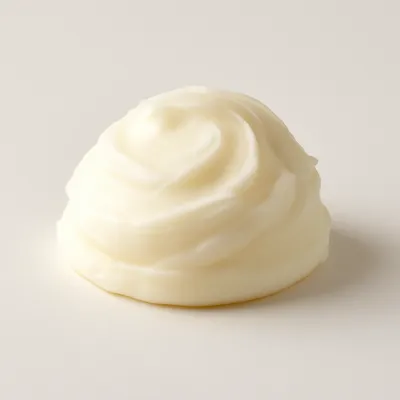

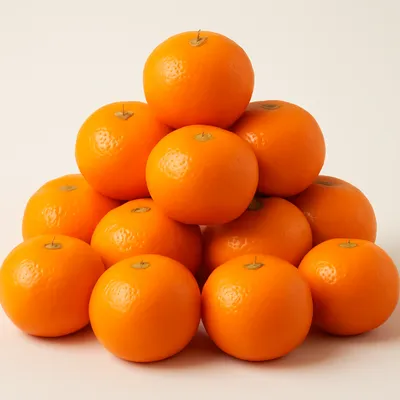

Guangchang County in Fuzhou prefecture, Jiangxi, has cultivated white lotus since the Tang Dynasty's Yifeng era (676–679 CE), according to the earliest surviving written record of lotus farming in the region. The seeds were presented as imperial tribute across successive dynasties, earning the designation 'lotus among gems.' Fuzhou cooks eventually turned the seed's two most prized traits — intact, round form and silky tenderness after long steaming — into a mould-based banquet sweet: the 葵花莲子 form pairs Guangchang lotus with Nanfeng mandarin (another Fuzhou geographical-indication product) and was recognised among the Ten Famous Dishes of Fuzhou.
Bite through the lotus flesh: powdery-soft, faintly floral, the bitterness of the core completely absent. The potato base beneath is smooth and yielding, gently sweet. Then a segment of mandarin — tart, juicy, citrus-bright — cuts through the sweetness and makes the whole dish feel lighter and more alive than its simple ingredients suggest.
Guangchang white lotus seeds contain approximately 43.8% starch and 22.7% protein by dry weight. During steaming, the interior temperature exceeds 80°C, at which point starch granules absorb water, swell, and rupture into a continuous gel matrix — the gelatinisation that produces the seeds' signature floury tenderness. The traditional 通芯 (core-piercing) technique removes the embryo, which concentrates the bitter alkaloids neferine and isoliensinine, leaving only clean sweetness. Pre-coating the bowl with lard establishes a hydrophobic barrier between the seeds and the ceramic surface, allowing clean inversion without fracturing the arrangement.
Variations
Some cooks substitute sweet red bean paste for the mashed potato layer, creating a richer, more aromatic filling. The Fuzhou restaurant finish is a drizzle of osmanthus-scented sugar syrup over the inverted dome. When Nanfeng mandarins are out of season, preserved kumquats or canned lychee halves serve as the sunflower petals.
On the Palate
Where Sunflower-Style Lotus Seeds sits in the Chinese flavor cloud
Ingredients
Serves 6How it's made
6 steps · 20 min
- 115 min
Rinse lotus seeds thoroughly. If the core has not been removed, pierce each seed from the base with a thin metal skewer and push the green embryo out. Peel, quarter, and steam the potatoes over boiling water until completely tender, about 15 minutes.
Watch outPush the green core out of each lotus seed from the base — leave it in and that bitter embryo taints the whole sweet dish.
- 25 min
Transfer the hot potatoes to a bowl; add lard and 20g of the sugar and mash vigorously to a smooth, lump-free paste. Set aside to cool slightly.
- 310 min
Brush the inside of a deep soup bowl generously with softened lard, coating every surface including the rim. In warm weather, refrigerate the coated bowl for 10 minutes until the lard solidifies. Stand the lotus seeds upright in the bowl, pointed base-end down, packing them in a compact, even layer across the base.
Watch outCoat the whole bowl thickly with lard, rim included — this is what lets the finished dome slide out whole; a bare patch and it sticks and tears.
- 45 min
Spoon the mashed potato over the seeds and press gently to fill all gaps without disturbing the seed arrangement. Scatter the remaining 40g of sugar evenly over the surface and pour in the 50ml of water.
- 560 min
Place the bowl in a steamer over vigorously boiling water; steam on high heat for 60 minutes without lifting the lid. Remove and rest 5 minutes off the heat.
- 65 min
Invert a large flat serving plate over the bowl and flip them together decisively. Hold for 10 seconds, then lift the bowl away. Arrange Nanfeng mandarin segments in five overlapping arcs around the lotus-seed dome to resemble sunflower petals. Serve at room temperature.
Watch outFlip the bowl and plate together in one decisive motion, hold ten seconds, then lift — hesitate and the dome slumps instead of releasing clean.
Archive tool suggestions — not reviewed
These legacy suggestions have not been evidence-reviewed and are not presented as required tools.


