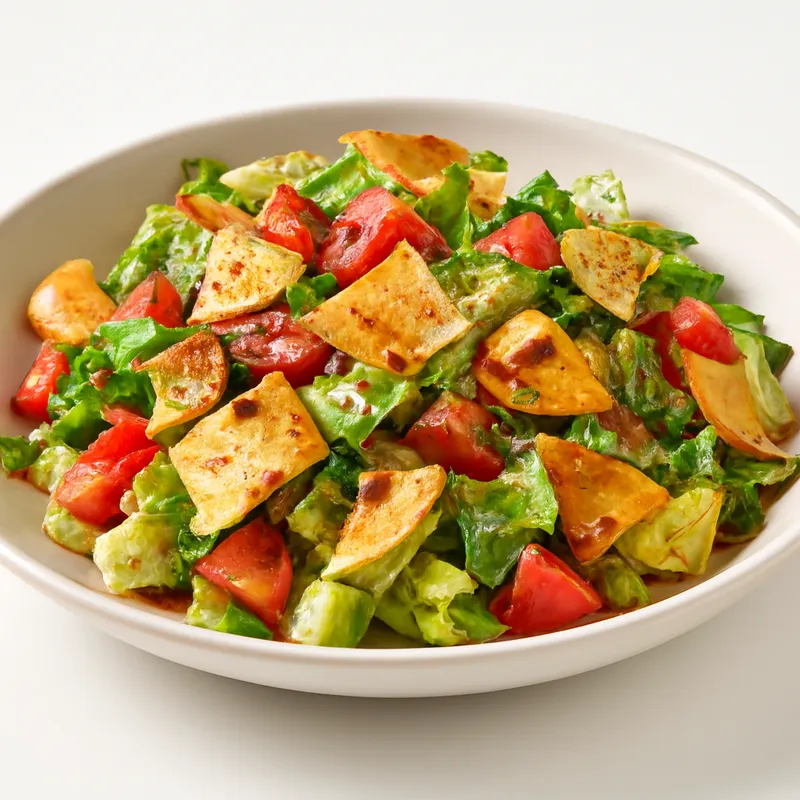
黎巴嫩北部的家常炖菜,主料是手搓的珍珠面——用粗麦粉滚成的小圆粒,颗粒有胡椒粒大小,名字来自阿拉伯语马格里布(即摩洛哥),因为这种大粒库斯库斯最早由摩洛哥移民带进黎凡特。鸡块、鹰嘴豆和整颗小洋葱同炖,下肉桂和综合香料,吃时把珍珠面盛在碗底,浇汤和鸡肉。
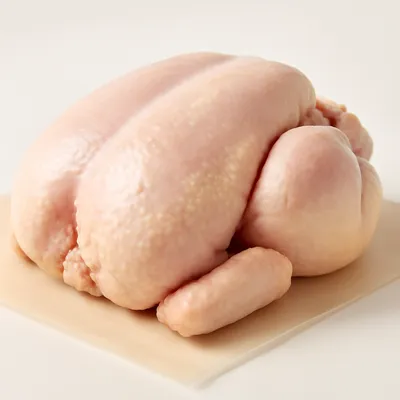



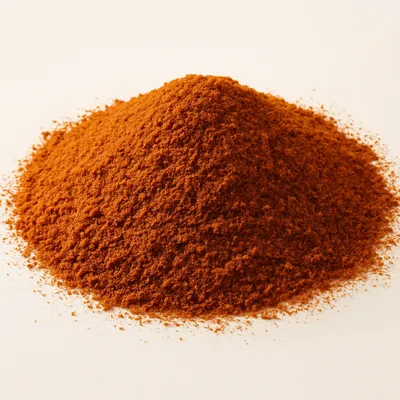
Moghrabieh is eaten across northern Lebanon — Tripoli, Zgharta, and the wheat-growing Beqaa valley. It shares its root with North African couscous (the name comes from Arabic Maghreb, 'Morocco,' brought by Moroccan migrants to the Levant), but the cooking method is the dividing line: Moroccan couscous is steamed, Lebanese moghrabieh is boiled in water like pasta. Steaming leaves the pearls dry and cakey; boiling gelatinizes the starch through and through, giving the chewy, broth-absorbing bite the dish exists for. Until the 1980s the pearls were hand-rolled at home — semolina dusted with flour, coaxed into spheres under the palm. The factory pearl couscous that later filled the market is mostly Israeli ptitim: created in the 1950s during Israel's austerity period when Prime Minister David Ben-Gurion asked the Osem company to develop a rice substitute (originally rice-shaped, called 'Ben-Gurion rice,' later pearled and exported as 'Israeli couscous'), often confused abroad with moghrabieh. The two look alike but have different histories: moghrabieh is a centuries-old hand-rolled tradition; ptitim is a 1950s industrial invention.
The pearls are chewy and soft, soaking up a deeply savory, gently spiced broth; the chicken falls off the bone, the chickpeas are earthy and the pearl onions sweet. Each spoonful is warming, with a faint cinnamon warmth throughout.
The pasta-boil (not steam) is the load-bearing step. Boiling gelatinizes the bead's starch all the way through and leaches surface starch into the water, so the pearl stays distinct and chewy while drinking in broth later; steaming, as for Moroccan couscous, would leave it dry and cakey. Toasting the drained pearls in ghee before the broth goes in builds a nutty shell that slows mushing. The whole warm spices (cinnamon, baharat) release fat-soluble aromatics into the broth over the long simmer. Skim the broth or it clouds; over-stir the pearls and they break to paste.
Variations
A Beiruti home version adds kafta meatballs with the chicken. A spicier Mount-Lebanon variant sneaks in chili.
On the Palate
Where Moghrabieh sits in the Lebanese flavor cloud
Ingredients
Serves 6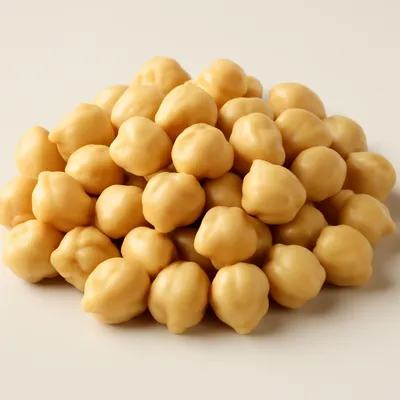
How it's made
6 steps · 30 min
- 18 min
Brown 1.2 kg chicken pieces in 3 tbsp ghee in a heavy pot; add 1 chopped onion and 4 crushed garlic cloves; cook until softened.
- 23 min
Add 2 tsp seven-spice, 1 tsp cinnamon, 1 tsp whole caraway seeds, salt, pepper; stir 1 minute.
- 312 min
Add 2 cups cooked chickpeas, 300 g peeled whole pearl onions, 2 tbsp tomato paste, and water to cover; simmer 30 minutes until the chicken is tender.
- 44 min
Lift out the chicken; keep warm; skim the broth; taste and adjust.
Watch outSkim the broth clear before the pearls go in — leave the scum and the finished dish turns cloudy and greasy.
- 510 min
Add 400 g pearl couscous (toasted 2 minutes in ghee first) to the broth; simmer 15-18 minutes until the pearls are tender and have absorbed the broth.
Watch outToast the pearls in ghee first, then simmer just until tender and they've drunk the broth — over-stir and they break down to paste.
- 64 min
Serve the pearls in shallow bowls, topped with the chicken and broth; scatter fried shallots or pine nuts if liked.
Archive tool suggestions — not reviewed
These legacy suggestions have not been evidence-reviewed and are not presented as required tools.