
Harees is one of the oldest dishes of the region, and the Lebanese version — gently spiced with cumin and ghee — sits within a family that stretches across the Arab and Persian world. The dish itself is medieval or older, recorded in Abbasid cookery manuscripts, and it shares its DNA with Armenian harissa, Gulf harees, and the Kashmiri haleem: everywhere wheat and meat met a long slow cook, the same porridge appeared. In Lebanon it is a Lenten and Ramadan dish, eaten particularly in the mountains and villages, and it belongs to a class of festive 'one-pot' foods that are made in large quantities for gatherings and distributed to neighbors. The defining act is the beating: hours of slow cooking punctuated by vigorous stirring that shears the wheat and meat into the silky mass that unmixed porridge could never become.
Soft, silky and almost custardy, with the gentle sweetness of long-cooked wheat and the savory depth of slow-shredded meat; the cumin-ghee and crisp fried onion on top lift the mild base with warmth and savor. Profoundly comforting.
The texture of harees is the whole dish, and it comes from one technique most people underdo: the long, slow cook with frequent vigorous beating. Hours of heat burst the wheat's starch granules and break down the meat's connective tissue, fusing them into a smooth emulsion of gelatinized starch and dissolved collagen — the silky, almost-custardy body that defines the dish. Beating is what shears the wheat and meat into that mass; without it, you have soup with wheat berries, not harees. The cumin-ghee tadka at the end is structural rather than decorative: the hot fat carries cumin's fat-soluble aromatics onto the surface, and the fried onion adds Maillard depth that the bland porridge desperately needs. Undercook it or skip the beating and the dish fails completely.
Variations
Some Lebanese versions use chicken instead of lamb. Cinnamon is sometimes added alongside cumin for warmth. A Beqaa variant stirs in rendered lamb fat (awarma) at the end for richness, turning the lean porridge almost meaty.
On the Palate
Where Harees (Lebanese) sits in the Lebanese flavor cloud
Ingredients
Serves 6

How it's made
6 steps · 30 min
- 15 min
Soak 2 cups hulled wheat berries in water overnight; drain.
- 25 min
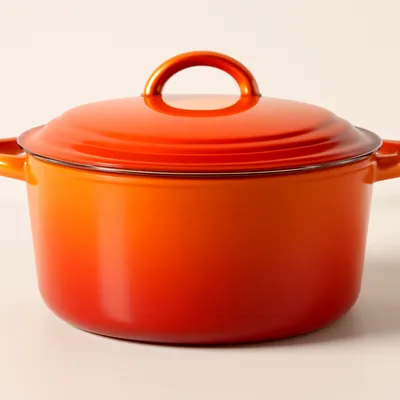
In a heavy pot combine the wheat, 1 kg cubed bone-in lamb, 1 onion, 2 cinnamon sticks, 6 peppercorns, 2 bay leaves, 2 tsp salt and water to cover by 5 cm.
- 312 min
Bring to a boil, then simmer covered 3-4 hours, stirring and beating vigorously every 30 minutes with a wooden spoon, until the wheat bursts and the meat shreds into a soft silky mass.
Watch outBeat the pot hard every thirty minutes until wheat and meat fuse into one silky mass — skip the beating and you get soup with wheat berries, not harees.
- 48 min
Remove bones, cinnamon, bay; continue beating until the texture is smooth and porridge-like; adjust salt.
- 55 min
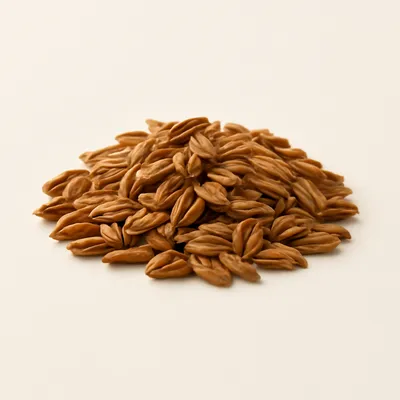
In a small pan, melt 3 tbsp ghee; fry 2 sliced onions until deep golden and crisp; add 1 tsp cumin; pour over the harees.
Watch outFry the onions to deep golden and crisp before they hit the pot — pale onions give none of the nutty tadka aroma that finishes the dish.
- 63 min
Serve hot in bowls, the fried onion and ghee on top; offer extra cumin and ghee.
Archive tool suggestions — not reviewed
These legacy suggestions have not been evidence-reviewed and are not presented as required tools.