
Sweet bananas in a crisp deep-fried batter, golden outside and soft within.
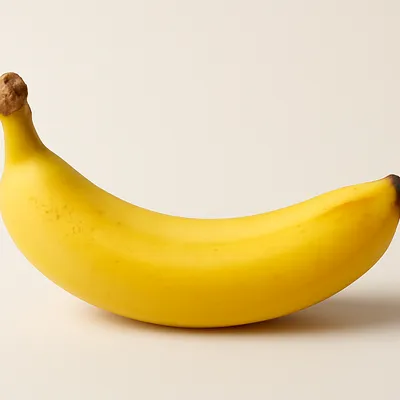



Found across the Malay archipelago — Indonesia, Malaysia, Singapore, southern Thailand — under many local names (gedhang goreng in Java, cau goreng in West Java, godoh biu in Bali, pisang kipas in Pontianak). Its origin is genuinely contested: a widely cited account holds that bananas in the region were eaten raw or steamed until Portuguese traders introduced wheat flour and the technique of batter-frying in the 16th century, when pisang goreng was at first a refined dish for the nobility before becoming ubiquitous street food over later centuries. Either way it could only take hold once frying oil from coconut and palm became village-standard. The cultivars typically used are pisang raja, pisang tanduk (a large 'horn' cooking banana, usually sliced before frying for the common flat fritters), or pisang kepok — small-to-large but all dense, lower-water, mildly sweet-sour, and firm enough to fry without falling apart. Cheaper stalls sometimes use pisang awak, but it is seedy and bland and not preferred. Cavendish bananas (the supermarket default) are the wrong banana; they are too watery and collapse.
Across the Malay archipelago for centuries; documented in 19th-century colonial texts but older. Pisang raja, awak, or kepok are the right cultivars — small, dense, low-water bananas that fry without falling apart. Cavendish (the supermarket default) is the wrong banana; it collapses. Lace-crisp batter wants a splash of lime water (kapur sirih).
Fingers of banana in a thin, lacy, deep-fried batter — pale gold, shatter-crisp, with the fruit gone soft and almost jammy inside. Sold in paper cones from roadside stalls, eaten in the hand within five minutes of frying. After ten minutes the batter goes leathery; this is street food on a clock.
The lace-crisp batter is the technical move: rice flour plus a little wheat flour, ice water, and (in the best stalls) a splash of lime water (kapur sirih) that raises pH and makes the crust extra brittle. Oil at 170–180°C, no hotter — too hot and the batter browns before the banana cooks through; too cool and it absorbs oil and goes greasy.
Variations
Pisang goreng kipas (fan-cut Indonesian style); pisang goreng cheese (modern KL hawker, with grated cheese on top); goreng pisang Madura (with sesame seeds in batter); Penang pisang goreng (lacier batter, kapur sirih dominant).
On the Palate
Where Pisang Goreng sits in the Malaysian flavor cloud
Ingredients


How it's made
5 steps · 30 min
- 13 min
Mix flour, rice flour, sugar, and salt to create batter.
- 24 min
Slice bananas lengthwise and coat with batter.
Watch outCoat each banana slice thin and even, right before it goes in — batter that sits too long soaks in and fries up soggy instead of lacy.
- 38 min
Heat oil in a pan and fry bananas until golden brown.
Watch outDrop a bit of batter in first: it should sizzle up and float within a couple seconds — too cold and it drinks oil, too hot and the crust browns before the banana softens.
- 42 min
Remove and drain excess oil on paper towels.
- 52 min
Sprinkle with sesame seeds before serving.


