
Saigon street snack of shredded rice paper tossed with dried shredded beef, green mango, quail egg, kumquat juice, herbs, fish sauce, and satay oil — eaten with chopsticks straight from a plastic bag.
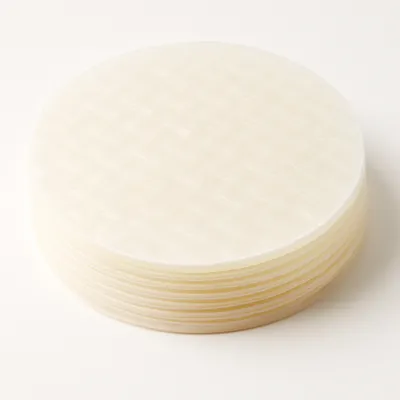


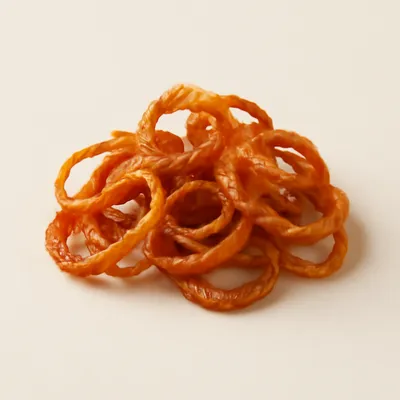
Banh trang tron is a modern Saigon invention — it spread from the alleys near Nguyen Thuong Hien street in District 3 in the late 2000s and became a youth street-food phenomenon by the early 2010s. The dish is built from leftover rice-paper trim from spring-roll workshops, which made it cheap and ad-hoc. Variations now exist with dried squid, mayonnaise, satay sauce — but the canonical Saigon version centres on dried beef (bo kho thin/kho bo), kumquat, and rau ram.
Modern Saigon invention — spread from alleys near Nguyen Thuong Hien (District 3) in the late 2000s, built from leftover rice-paper trim out of spring-roll workshops. The load-bearing detail: you don't soak the rice paper. Strips hydrate from kumquat juice, fish sauce, and satay oil during the toss. Soak them and you get a wet glob.
A pile of pale rice-paper noodles flecked with green mango, brick-orange satay oil, peanut crumb, and shreds of beef, with halved quail eggs perched on top. The texture pivot is the whole point — strips start crispy and within sixty seconds of tossing turn chewy-pliable, somewhere between rice noodle and gummy. Each bite is sour-salty-funky-spicy: kumquat acid, fish sauce, satay heat, herbal lift from rau ram. A bag of this from a Saigon vendor is usually eaten with one chopstick (or a long stick) standing on the sidewalk.
The load-bearing detail is that you don't soak the rice paper. The strips hydrate from the kumquat juice, fish sauce, and satay oil during the toss — that's how the sauce gets carried inside the strip rather than sliding off. Soak them and you get a wet glob; toss long enough and you get pliable strips coated in seasoning. Kumquat (not lime) is also non-negotiable: it's more aromatic and slightly bitter, which cuts the satay oil better.
Variations
Nguyen Thuong Hien original style with bo kho beef and quail egg; District 5 Chinese-Vietnamese version adds dried squid; Hanoi transplants run drier and skip the egg; Da Nang variant uses dried shrimp and more rau ram.
On the Palate
Where Banh Trang Tron sits in the Vietnamese flavor cloud
Ingredients
Serves 2


How it's made
5 steps · 15 min
- 13 min
Take 4 sheets of dried rice paper (banh trang). Stack and cut into 5mm strips with scissors. Don't soak — they stay dry until dressed.
Watch outCut the rice paper dry and keep it dry — never soak it; it hydrates from the dressing in the toss, and pre-soaked strips turn to wet glue.
- 25 min
Julienne 1 small green mango (about 100g) into matchsticks. Boil 6 quail eggs 4 minutes, shock in cold water, peel.
- 32 min
Pluck leaves from a small bunch each of Vietnamese coriander (rau ram) and Thai basil. Roughly chop. Halve 4 kumquats — these supply the acid in place of lime.
- 43 min
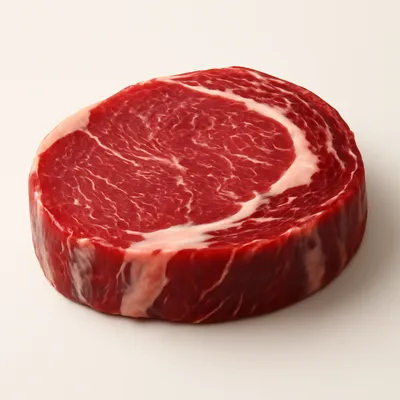
In a wide bowl combine the rice-paper strips, mango, 30g dried shredded beef (bo kho or kho bo), 20g fried shallot, 15g crushed roasted peanuts. Squeeze in the kumquat juice. Drizzle 2 tbsp satay chile oil and 1 tbsp fish sauce.
- 52 min
Toss firmly with chopsticks for a full minute — the rice paper has to soften from the dressing, not water. It should turn pliable, almost noodle-like. Top with quail eggs and herbs. Eat immediately, before the strips collapse.
Watch outToss hard a full minute until the strips go pliable and almost noodle-like from the juices alone — then eat right away, before they slump.


