
Mozarabic-Andalusian fried pastry squares — wine-dough flavored with anise, sesame, orange zest, and cinnamon, pinched into shapes and glazed with hot honey. Christmas and Lent sweet.
Pestiños descend from the Moorish (Al-Andalus) sweet tradition — the technique of frying spiced wine-dough and dipping it in honey is classic medieval Andalusi confectionery, kin to the Moroccan shebbakiyya. The dish is first documented in writing in the 16th century (La Lozana Andaluza, 1528), though its method is older and rooted in Andalusi Arab sweets. The dish survived the 1492 expulsion as Christmas and Lent fare in Andalusian Catholic homes; it remains strongly associated with Holy Week in Sevilla, Córdoba, and Granada. The fold-and-pinch shape is the defining gesture; flatter or rolled versions exist but the diamond fold is the classical Andalusian one.
Sephardic-Mozarabic fried wine-dough sweets documented in 13th-century Andalusi cookbooks. Diamond fold-and-pinch is the gesture; the dough has no water, no egg — just olive oil and white wine.
A small folded square the size of a matchbox, deep amber from honey glaze, sesame studded across the surface. First crunch is shattering, then the spiced wine-dough opens with anise and orange like a Christmas market — followed by a slick of warm honey clinging to the lips. Eaten alongside an anís liqueur or a glass of moscatel. A flat soggy pestiño is from oil that was too cool; a brittle bitter one means the oil scorched the sugar.
Three details carry the dish. One: oil-and-wine dough has no water, no egg — the wine's alcohol cooks off and leaves only flavor; the olive oil flavors and tenderizes. Two: infusing the oil first (instead of just adding ground spice) gives a clean aromatic without speckled crumbs. Three: glaze temperature window — pestiños must be warm enough that the honey thins and clings, but not so hot that the dough absorbs the syrup and goes soggy. Drip on a rack, never on paper.
Variations
Sevilla bakeries glaze in azahar honey; Córdoba's Holy Week version dusts powdered sugar instead; Granada's Alpujarra cooks fold them flat and call them flores de pestiño.
On the Palate
Where Pestiños sits in the Spanish flavor cloud
Ingredients
Serves 6







How it's made
6 steps · 50 min active + 40 min waiting
- 18 min
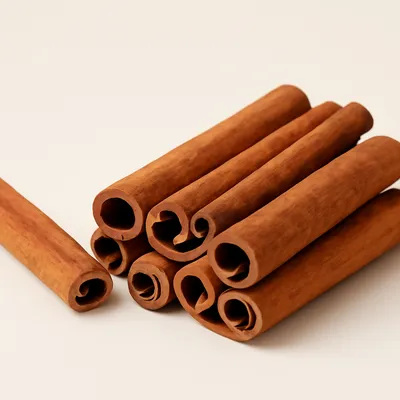
In a small pan over low heat, warm 100ml extra-virgin olive oil with 1 tbsp aniseed, the zest of 1 orange, and 1 cinnamon stick for 5 minutes — until fragrant, not smoking. Strain. Cool.
Watch outThe oil should warm enough to bloom aroma but not fry the spices — too hot and the anise turns acrid.
- 210 min
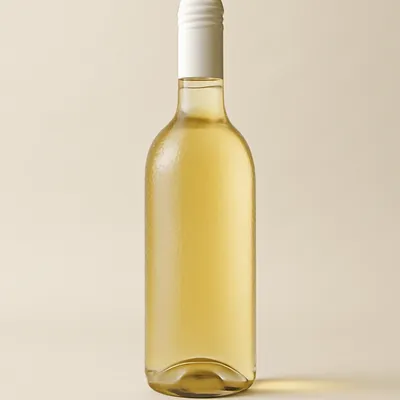
In a bowl combine 350g plain flour, 1 tbsp toasted sesame seeds, 1 tsp ground cinnamon, pinch salt. Pour in the cooled infused oil and 100ml dry white wine (or fino sherry). Knead 8 minutes to a smooth elastic dough.
Watch outWine-dough hydrates differently than water — if too dry, add 1 tbsp wine, not water.
- 330 min
Wrap in plastic. Rest at room temperature 30 minutes.
- 412 min
Roll dough as thin as a coin (1.5mm) on a floured surface. Cut into 6cm squares. Fold two opposite corners of each square into the centre and pinch firmly so they don't unfold in the oil — the classic pestiño shape.
Watch outPinch with wet fingers — dry pinches pop open in the fryer and you get flat squares.
- 512 min
Heat 1L olive oil to 170°C in a deep pan. Fry pestiños in batches of 6-8 for 90 seconds per side until pale gold and blistered. Drain on a rack.
Watch out170°C is lower than savory frying — pestiños should turn pale gold, not amber. Hot oil burns the sugar in the dough.
- 68 min
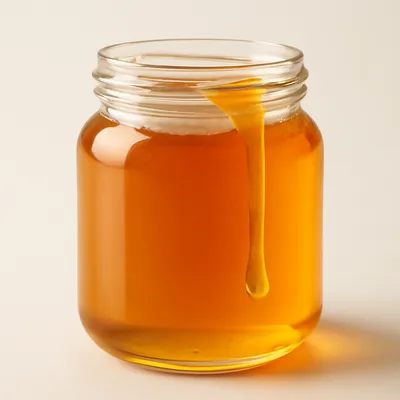
Warm 200g honey with 50ml water and a squeeze of lemon to a loose syrup. Dip each warm pestiño in, then lift to a rack to drip-dry. Sprinkle more sesame on top. Cool before storing.
Watch outGlaze while pestiños are warm but not hot — too hot and they soak; cold and the honey beads off.
Archive tool suggestions — not reviewed
These legacy suggestions have not been evidence-reviewed and are not presented as required tools.


