


Frite (sometimes spelled fritte) is a Cáceres-province cousin of caldereta — same ingredients, no stew. Where caldereta is the long-cook cauldron dish, frite is the quick-fire pan version, what a herder does on a workday rather than a feast day. The recipe travelled to the Canary Islands as fritura de cabrito after Extremaduran emigration in the 19th and 20th centuries, mutating from lamb to goat along the way.
Cáceres workday cousin of caldereta — same lamb, no stew. Two-stage heat: high to crust, medium-low with garlic and lid to finish to 60-65°C internal. Vinegar goes in last off-heat; if it boils for 20 minutes the brightness vanishes and the dish reads flat.
Lamb pieces deeply browned outside, pink-tender within, swimming in a few finger-widths of orange-red oil pooled with vinegar and dissolved garlic. The flavour is sheep-strong, sharpened by oregano and the vinegar. The point of the dish is the dipping: you pull bread off the loaf, drag it through the sauce, and eat that with the lamb. If you get a clean plate of meat without sauce-soaked bread, you've eaten only half the dish.
The two-stage method matters: high heat to crust the lamb, then medium-low with garlic and lid to finish through. Lamb at this thickness needs internal temperature 60-65°C for doneness without dryness — pure high-heat searing overshoots the centre by the time the crust is ready. Adding vinegar last, off-heat, preserves its sharpness; if it boiled with the meat for 20 minutes you'd lose the brightness that defines the dish.
Variations
Cáceres province frite stays lamb-based; Las Hurdes village version uses mutton; Canary fritura de cabrito is the migrated cousin in goat from 19th-century Extremaduran emigration; Salamanca cooks finish with white wine instead of vinegar.
On the Palate
Where Frite de Cordero sits in the Spanish flavor cloud
Ingredients
Serves 4

How it's made
5 steps · 35 min active + 25 min waiting
- 122 min
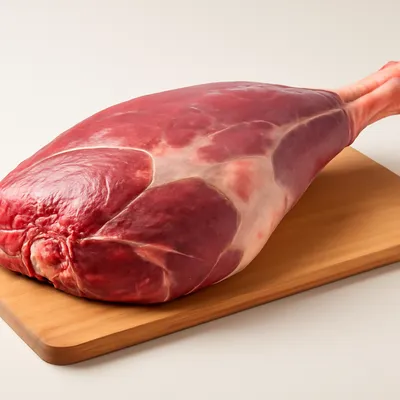
Cut 1kg boneless lamb leg or shoulder into 4cm pieces. Season with 2 tsp salt, 1 tbsp dried oregano, 1 tsp coarse pepper. Rest 20 minutes at room temperature — cold lamb seizes when it hits hot oil.
- 23 min
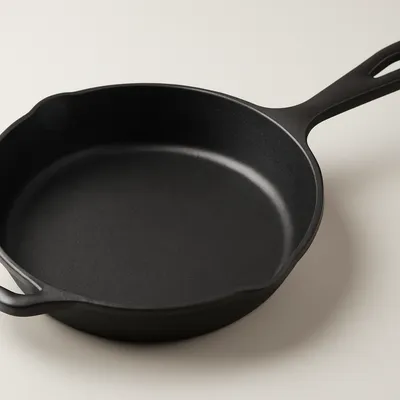
Heat 80ml olive oil in a heavy skillet to shimmering — about 180°C. Add 8 unpeeled garlic cloves, smashed. Fry 90 seconds until golden, lift out and reserve.
- 311 min
Add lamb in a single layer, don't move for 3 minutes. Flip, brown the other faces — 8 more minutes total. Lamb should release from pan when crusted; if it sticks, give it another 30 seconds.
Watch outLamb releases when ready — forcing it tears the crust.
- 48 min
Reduce heat to medium-low. Return garlic to the pan. Cover loosely and cook 8 minutes, turning every 2-3 minutes — the lamb finishes cooking and the garlic dissolves into the oil.
- 53 min
Pull pan off heat. Sprinkle 1 tbsp pimentón de la Vera; toss. Add 4 tbsp red wine vinegar and 100ml dry white wine; toss. Return to low heat 1 minute to thicken into a loose pan sauce. Tip onto a deep platter; serve with a basket of crusty bread for soaking up the juices.
Watch outDon't reduce the vinegar fully — frite should be wet, the bread does the work of carrying it.
Archive tool suggestions — not reviewed
These legacy suggestions have not been evidence-reviewed and are not presented as required tools.