Carne fiesta — literally fiesta meat — gets its name from being the dish you eat at Canarian saint's-day fairs and pilgrimage festivities (romerías), grilled or fried in vast quantities at outdoor stands. The pimentón-and-wine adobo is the classic Spanish marinade method that crossed the Atlantic and back, but the Canarian version is leaner than peninsular adobado, with pork loin (not belly) and white wine (not red) reflecting island scarcity of fatty cuts. Tapas bars across the islands serve it year-round as carne fiesta or the related carne mechada.
Romería festival meat — pork loin in pimentón-garlic-white wine adobo, named for the saint's-day fairs where it's grilled by the pan. Two-stage timing: 24-hour cold adobo for color and aroma, then high-heat sear; raw adobo gets stirred back at the end for the fresh garlic notes the pan would kill.
Cubes of pork the colour of brick from pimentón, edges crusted from the sear, interior juicy and just past pink. The bite leads with smoked paprika and garlic, then white-wine acidity, then oregano on the finish. Pan juices are red-orange and oily — bread is mandatory. As tapas it's eaten standing at a bar with a beer; as a main it sits next to wrinkled potatoes and gets dunked in mojo verde. Dry, grey pork means the loin overcooked.
Two-stage timing is the trick. The 24-hour adobo is for flavour, not tenderness — pimentón is fat-soluble and needs hours in the olive oil to bleed colour and aroma into the meat surface. The high-heat sear is what builds crust and locks juices; if you brown in the marinade liquid, you steam, not sear. Adding marinade back at the end is the Canarian touch: the unfried adobo carries raw garlic and fresh oregano notes that the pan sear destroys. Pimentón goes in cold (the marinade) and finishes warm (off direct heat), never on dry high heat.
Variations
Tenerife stand version uses pure loin and white wine; Gran Canaria adds cumin and bay; La Palma cooks in lard rather than olive oil; carne mechada is the slow-cooked relative served as bocadillo filling.
On the Palate
Where Carne Fiesta sits in the Spanish flavor cloud
Ingredients
Serves 4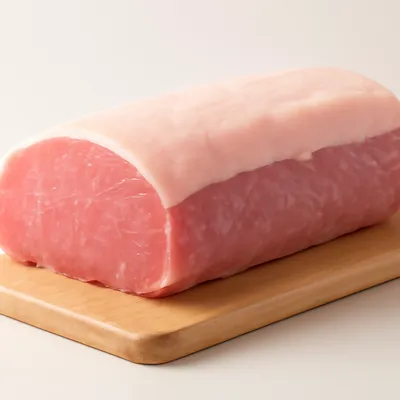







How it's made
6 steps · 25 min active + 1 day 35 min waiting
- 18 min
Cut 800g pork loin or pork shoulder into 2.5cm cubes — shoulder gives juicier results, loin is the traditional choice. Pat dry.
- 28 min
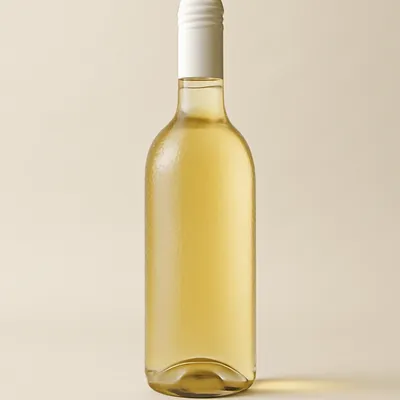
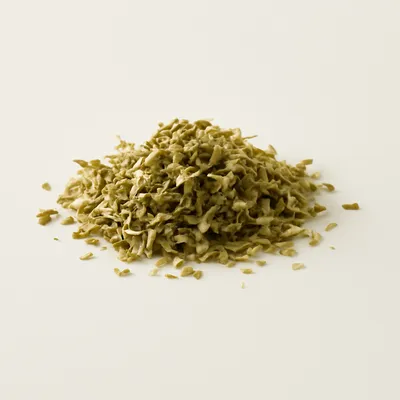
In a large bowl whisk 200ml dry white wine, 8 garlic cloves grated, 2 tbsp pimentón dulce, 1 tsp pimentón picante, 1 tbsp dried oregano, 1 tsp ground cumin, 1 tsp coarse salt, 1 tsp black pepper, 80ml olive oil. Toss the pork through and refrigerate 24 hours, stirring once.
Watch out24 hours is the floor; 48 is better. Less than 12 and the pimentón hasn't penetrated.
- 34 min
Drain pork, reserving the marinade. Pat the cubes dry with paper towel — wet meat won't brown. Heat 3 tbsp olive oil in a wide skillet over high heat until shimmering.
Watch outDon't crowd the pan — work in two batches if needed.
- 47 min
Sear pork in a single layer 2 minutes a side until crusted and golden — total about 6-7 minutes. Don't overcook; pork loin gets dry past 65°C internal.
- 54 min
Pour the reserved marinade into the pan. Reduce 3-4 minutes until it coats the meat — alcohol cooks off, paprika oils slick the surface. Adjust salt; finish with chopped parsley.
Watch outPimentón scorches at high heat — once marinade is in, drop heat to medium.
- 61 min
Serve hot with papas arrugadas, mojo verde, and crusty bread to mop the pan juices. As tapa, skewer with toothpicks.
Archive tool suggestions — not reviewed
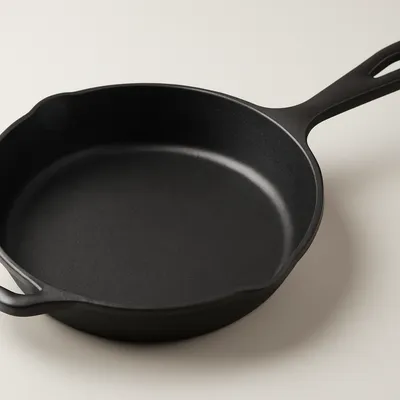
These legacy suggestions have not been evidence-reviewed and are not presented as required tools.