Conejo en salmorejo is the Canarian flagship rabbit dish — rabbit was introduced to the islands by the Castilian conquerors in the 15th-16th centuries and thrived in the volcanic terrain, becoming a cheap inland protein. The Canarian salmorejo is wine- and vinegar-based and shares only the name with Cordoba's chilled tomato-bread salmorejo from peninsular Andalusia. The two are routinely confused on tourist menus; locals are clear they are unrelated dishes that happened to inherit the same medieval Spanish word for a vinegar-spiced sauce.
Canarian rabbit in wine-vinegar adobo — shares only the name with Cordoba's chilled tomato salmorejo. Vinegar tenderizes the lean muscle, then the same marinade becomes the braising liquid; 36 hours is the ceiling, beyond which collagen breaks down to mealy.
Pieces of rabbit lacquered in a brick-red sauce, the meat coming away in long pale strands when you twist a fork. The flavour is paprika-deep and vinegar-bright, with the herbs (thyme and oregano) lingering. Rabbit itself is mild, almost neutral — it's a vehicle for the salmorejo. Bone-on pieces are the signal: pull at the joints, suck the small bones. If the sauce tastes raw and harsh, it didn't simmer long enough; if it tastes flat, the vinegar boiled away.
Salmorejo Canario as a marinade does double duty: vinegar's mild acidity tenderizes the rabbit's lean muscle without curing it; oil and pimentón coat the surface so when you sear, the pigments fix to the crust rather than scorching in the pan. Then the same marinade becomes the braising liquid — almost no waste, and the long simmer mellows the raw garlic and vinegar bite into something rounded. The 36-hour ceiling matters: vinegar past that point breaks down rabbit's collagen too far, leaving mealy texture instead of fork-tender.
Variations
Tenerife inland villages keep it bone-on with thyme; Gran Canaria adds tomato to the sauce (pulling it toward Andalusian salmorejo); Lanzarote bars now serve it deboned over wrinkled potatoes for tourists.
On the Palate
Where Conejo en Salmorejo Canario sits in the Spanish flavor cloud
Ingredients
Serves 4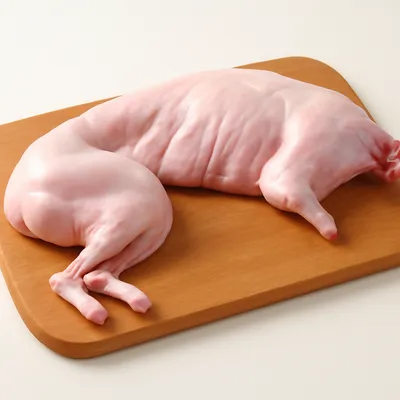








How it's made
6 steps · 1 hour active + 1 day 1 hour waiting
- 110 min
Cut a 1.4kg whole rabbit into 8 pieces — front legs, back legs split at thigh, saddle cut into 3 cross-sections, ribs as one piece. Reserve liver if it came with the rabbit.
- 28 min
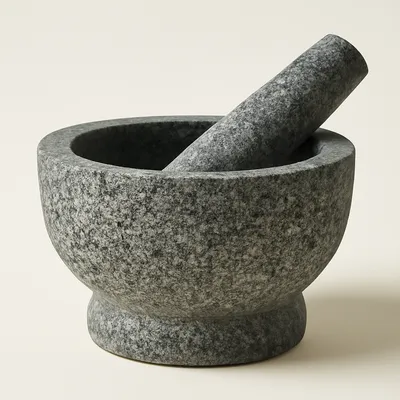
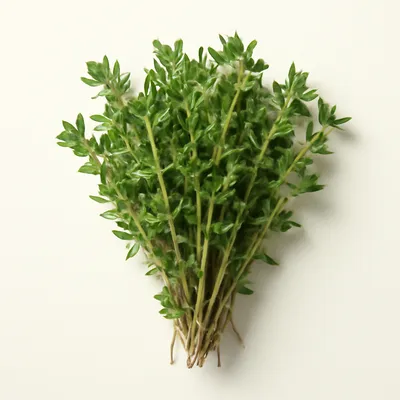
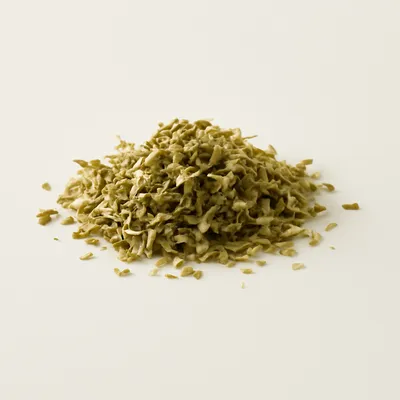
Pound 8 garlic cloves, 1 tbsp coarse salt, 1 tsp black peppercorns in a mortar to a rough paste. Stir in 2 tbsp pimentón dulce, 1 tsp pimentón picante, 1 tbsp dried thyme, 1 tbsp dried oregano, 1 tsp ground cumin. This is the salmorejo Canario base.
- 35 min
Whisk the spice paste with 250ml dry white wine, 100ml white wine vinegar, 1 bay leaf, 100ml olive oil. Add the rabbit pieces, turning to coat. Refrigerate 24 hours, turning twice — this is the salmorejo Canario.
Watch outVinegar tenderizes rabbit but more than 36 hours and the meat goes mealy.
- 412 min
Lift rabbit from marinade, reserving every drop. Pat pieces dry. Heat 3 tbsp olive oil in a heavy braiser over medium-high. Brown rabbit in batches 3-4 minutes per side until well-coloured.
Watch outRabbit has little fat — pull at golden, not dark, or it dries.
- 560 min
Return all rabbit to the pot, pour in the marinade plus 200ml water or chicken stock to barely cover. Tuck in 1 bay leaf. Bring to a simmer, cover, drop heat to low. Braise 50-60 minutes until a back leg yields easily to a fork.
Watch outBare simmer only — vigorous boiling toughens rabbit and breaks the paprika emulsion.
- 65 min
Lift rabbit to a warm dish. Reduce sauce uncovered 5 minutes until it coats a spoon — should be ruddy and slightly thick. Pour over rabbit. Serve with papas arrugadas or boiled potatoes.
Archive tool suggestions — not reviewed
These legacy suggestions have not been evidence-reviewed and are not presented as required tools.