Cazón en adobo is a fixture of Cádiz province bars and one of the oldest documented Andalusian fish preparations. The vinegar-cumin-oregano marinade traces to medieval Mozarabic cooking — vinegar curing was a preservation technique for cheap reef fish before refrigeration. Cazón itself, a small shark plentiful in the Gulf of Cádiz, was a working-class fish; the adobo turned it into the kind of dish you stand and eat from a paper cone with a beer.
Cádiz bar food: small shark cured 12+ hours in vinegar-cumin-oregano, then fried in chickpea flour at 180°C. The garbanzo dredge is what makes the shell brittle — wheat goes soggy.
A small mountain of amber cubes, crust shattering audibly between teeth — that's the chickpea flour, nuttier than wheat. Inside, the fish is opaque white, cumin and garlic detectable on the breath before you taste them. The vinegar tang sits behind the cumin like a backbone. A squeeze of lemon over the top, eaten with fingers, standing at a bar in Cádiz. If the crust is soggy or the cubes ooze marinade when bitten, the oil was too cool or the fish wasn't drained.
Two non-obvious mechanisms. First, the vinegar's role is dual — flavor and surface cure: 12+ hours of acid contact firms the protein so the fish doesn't fall apart in the fryer. Second, chickpea flour (harina de garbanzo) browns differently than wheat — it's higher in protein and lower in starch, so it crisps into a thinner, more brittle shell at 180°C and stays crisp longer because it absorbs less oil.
Variations
Málaga uses adobo on dogfish too; Sanlúcar de Barrameda batters it lighter and serves with manzanilla; across Cádiz province the dish is commonly just called bienmesabe ("it tastes so good"), not only in Conil.
On the Palate
Where Cazón en Adobo sits in the Spanish flavor cloud
Ingredients
Serves 4






How it's made
6 steps · 20 min active + 12 hours waiting
- 15 min
Cut 600g cazón (dogfish/smooth-hound shark) or firm white fish into 3cm cubes. Pat very dry on paper towels.
Watch outIf you can't find cazón, use mako shark, swordfish belly, or monkfish — anything firm enough to hold a cube.
- 25 min
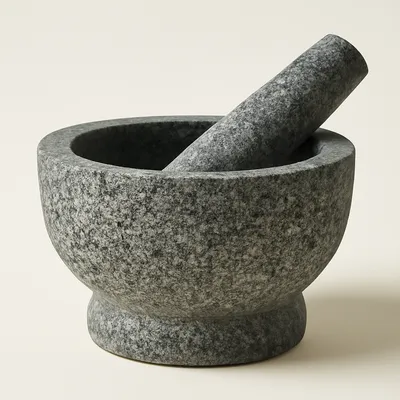
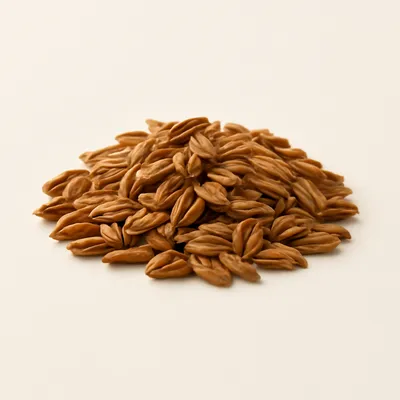
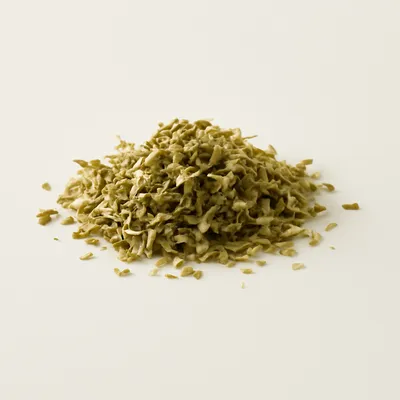
Pound 6 garlic cloves, 1 tbsp ground cumin, 1 tsp dried oregano, 1 tsp sweet pimentón, 1 bay leaf crumbled, 1 tsp salt to a coarse paste in a mortar. Loosen with 150ml sherry vinegar and 50ml water.
Watch outCumin must be ground fresh or recently — stale cumin tastes dusty and dominates the marinade.
- 32 min
Submerge fish cubes in the adobo. Cover and refrigerate 12-24 hours. Stir once at the halfway mark.
Watch outVinegar will lightly cure the fish surface — 24 hours is the maximum or texture turns mealy.
- 45 min
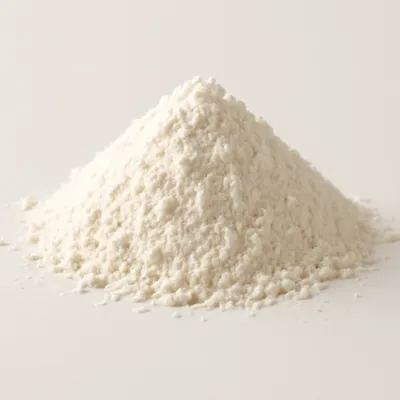
Drain fish, shake off excess liquid but do not rinse. Toss in 200g chickpea flour mixed with 50g plain flour until each cube is coated with a dry powdery crust.
Watch outChickpea flour is the Cádiz signature — don't substitute cornstarch; you lose the nutty crust.
- 58 min
Heat 1L olive oil to 180°C in a deep pan. Fry cubes in batches of 8-10 for 2-3 minutes until amber-gold. Drain on a rack, not paper.
Watch outCrowding drops oil temperature and the chickpea crust turns greasy instead of shattering.
- 61 min
Salt immediately. Serve hot with lemon wedges — no sauce, the marinade is the flavor.
Archive tool suggestions — not reviewed
These legacy suggestions have not been evidence-reviewed and are not presented as required tools.