Marineros means 'sailors' — the tapa traces to the bars of Cartagena's old town in the late 1970s–early 1980s (per Cartagena writer Juan Manzanares García), its birthplace disputed between Cartagena and Murcia city; oral tradition tells of a late-arriving sailor whose ensaladilla rusa was served 'to go' on a bread ring with an anchovy on top. The Murcian convention of crowning with a pickled anchovy and a guindilla on a toothpick is what distinguishes the marinero from a generic mollete with ensaladilla served elsewhere in Spain.
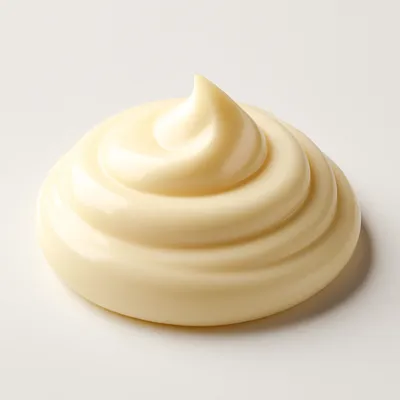
Cartagena dock-bar tapa from the early 20th century — ensaladilla rusa (Olivier salad arrived via French chefs late 19th c.) reworked as a roll filling, crowned with a pickled anchovy and guindilla on a toothpick. The 30%-mayo-by-weight ratio is the hold-the-mound number; lower and it slides off the bread.
Bite-sized — three or four chews and it's gone. The roll's crust gives a faint crackle, then the cold creamy salad floods the mouth: starchy potato, tuna's iron-edge, mayo's eggy richness. The pickled anchovy on top hits last with vinegar bite that resets the palate. Always served chilled against warm bread; if the salad is room-temp the whole tapa goes flat. Counts as one drink's worth of food in Murcia bar arithmetic.
The mayo ratio is the technique — too lean and the salad won't hold a mound on the bread, too rich and it slides off. About 30% mayo by weight against the diced solids is the working ratio. The anchovy on top is not garnish: it's the acid counterweight to the mayo's fat, the entire bite is calibrated around that vinegar hit. Served on small rolls (not sliced bread) so the crust gives the only crunch in an otherwise soft tapa.
Variations
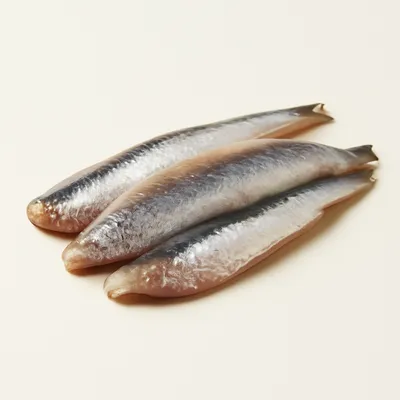
The Murcian trio differs only by the crown: a salt-cured anchovy makes a 'marinera', a vinegar-cured boquerón makes the 'marinero', and no fish at all makes a 'bicicleta'; the underlying ensaladilla rusa varies house-to-house in tuna brand and pea proportion.
On the Palate
Where Marineros Murcianos sits in the Spanish flavor cloud
Ingredients
Serves 4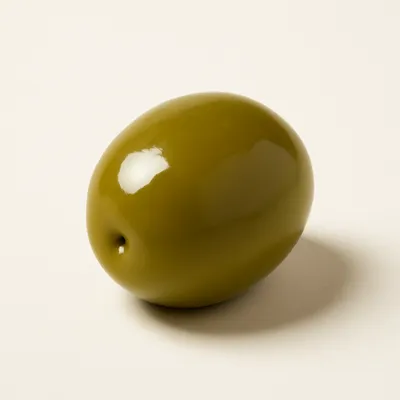

How it's made
5 steps · 25 min active + 25 min waiting
- 118 min
Boil 500g waxy potatoes (skins on) and 2 medium carrots in salted water 15-18 minutes until a knife slides through. Cool, peel, dice into 6mm cubes. Hard-boil 3 eggs alongside (10 minutes from cold start), shock in ice water, peel, chop fine.
Watch outDice while still warm but not hot — hot potato breaks down the mayo into oil.
- 25 min
Drain 200g good-quality canned tuna in olive oil, flake with a fork. Chop 60g pitted green olives and 40g pickled gherkins fine. Combine in a bowl with the potato, carrot, and egg.
- 33 min
Fold in 150g thick mayonnaise (homemade or Spanish-style — denser than American), 1 tbsp olive oil, salt and a squeeze of lemon. The mix should hold its shape on a spoon, not slump. Chill 20 minutes.
Watch outToo much mayo and the salad goes glossy and slumps; aim for stiff, sliceable.
- 43 min
Slice 8 small pistola or panecillo rolls (~10cm long) horizontally, leaving a hinge. If desired, hollow out a thumbprint of crumb from the bottom half to make room.
- 54 min
Mound 2 heaping tablespoons of ensaladilla into each roll. Top each with one whole pickled anchovy fillet (boquerón en vinagre) and a pickled guindilla pepper or olive on a toothpick. Serve immediately on a wooden board — tapas-bar style.
Watch outAssemble within 10 minutes of serving — bread starts to soften from the salad's mayo.
Archive tool suggestions — not reviewed
These legacy suggestions have not been evidence-reviewed and are not presented as required tools.