
When the French ran Casablanca in the early 20th century, the Mediterranean French bouillabaisse migrated to the Atlantic — but Moroccan cooks rebuilt it on local terms. Out went the rouille; in came chermoula and harissa. The fish are Atlantic catch (cod, conger eel, sea bream, mullet), and the broth carries fennel, saffron, tomato, and orange peel. Eaten with grilled bread rubbed with garlic.
A saffron-tomato seafood broth with multiple fish and shellfish — Atlantic Moroccan version, less rich than the French original, but with preserved lemon and harissa floating on top.
The broth gels lightly on cooling as collagen from the fish heads and bones breaks down into gelatin during the long simmer. The acidity from the preserved lemon brightens the broth's flavor and helps keep the saffron color vivid through the long simmer.
Variations
Atlantic Moroccan version uses Atlantic fish and preserved lemon; Provençal original uses Mediterranean fish and saffron-only; modern Casablanca version uses tomato — three Mediterranean stew dialects.
On the Palate
Where Bouillabaisse Marocaine sits in the Moroccan flavor cloud
Ingredients

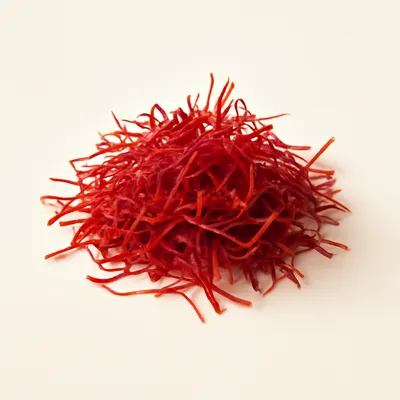




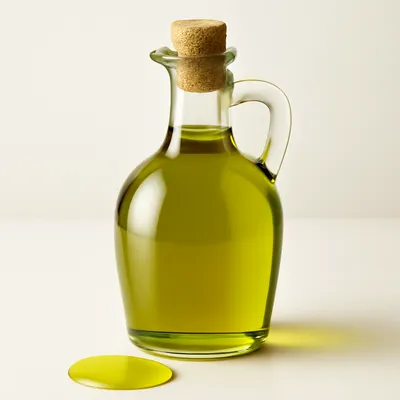




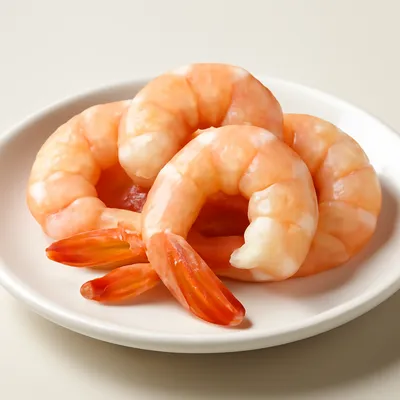
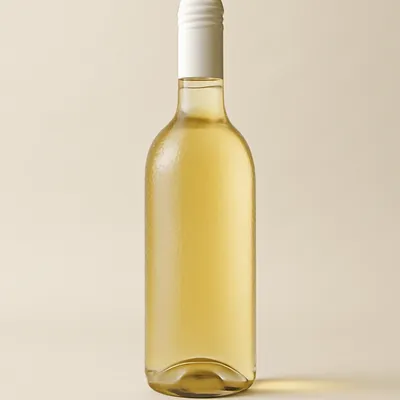
How it's made
5 steps · 1 hour 30 min
- 18 min
Heat 4 tbsp olive oil in a large pot. Sauté 1 chopped onion, 1 sliced fennel bulb, 4 minced garlic cloves for 8 minutes.
Watch outSweat the onion and fennel gently until soft and translucent, no browning — you want a sweet clean base, not caramelized color muddying the broth.
- 24 min
Add 1 tbsp tomato paste, 4 chopped tomatoes, 1 tsp saffron threads, 2 strips orange peel, 1 tsp paprika. Cook 4 minutes.
- 315 min
Pour in 1.5L fish stock and 200ml white wine. Simmer 25 minutes; strain if smoother broth desired.
- 415 min
Return to a simmer. Add 800g mixed firm white fish (cod, sea bream, conger eel) in chunks; cook 5 minutes. Add 300g shrimp and 300g clams or mussels; cook 4 more minutes until shells open.
Watch outAdd the fish first and shellfish last, and pull everything the moment the shells open — a minute too long and the fish falls apart and the shrimp turn rubbery.
- 53 min
Stir in 2 tbsp chermoula paste and 1 tsp harissa. Adjust salt. Ladle into bowls over grilled garlic-rubbed bread. Garnish with chopped parsley.
Watch outStir the chermoula and harissa in off the boil so their fresh herb-and-chili aroma survives — boiling them dulls the brightness the dish rides on.
Archive tool suggestions — not reviewed
These legacy suggestions have not been evidence-reviewed and are not presented as required tools.


